Meditation Space
Helsinki, Finland
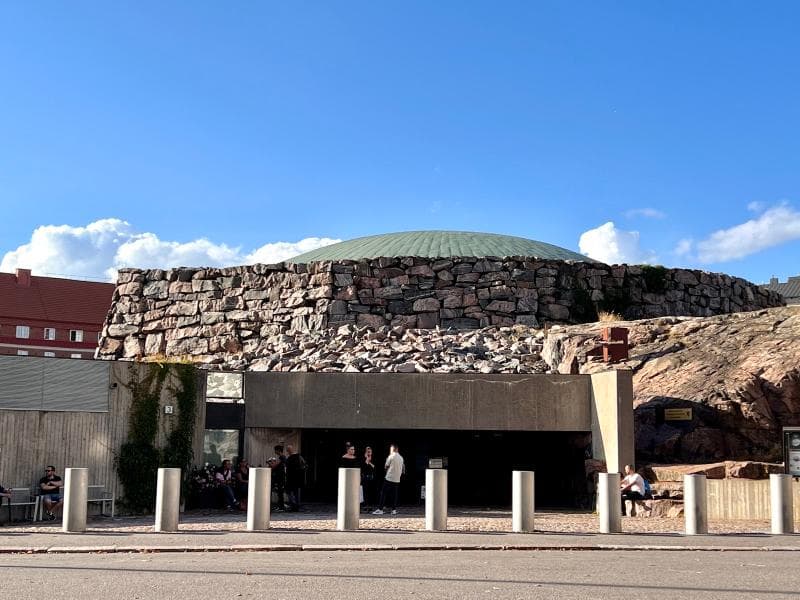
Discover the serene Meditation Space within Temppeliaukio Church in Helsinki, Finland. Carved into solid rock, this architectural marvel offers unique tranquility.
Overview
Nestled discreetly beneath the bustling streets of Helsinki, Finland, lies the extraordinary Temppeliaukio Church, widely known as the Rock Church. More than just a place of worship, this architectural marvel functions as an unparalleled meditation space, offering a profound sense of tranquility and connection within its rock-hewn walls. Carved directly into solid granite bedrock, the entire church structure creates an atmosphere conducive to contemplation and spiritual reflection, attracting visitors from all corners of the globe seeking solace and artistic inspiration.
Completed in 1969, the Temppeliaukio Church is a testament to innovative Finnish design, seamlessly blending natural elements with modern architecture. It stands as both an active Lutheran church and a world-renowned concert venue, celebrated for its exceptional acoustics. Its unique design makes it one of Helsinki's most important landmarks, offering a serene escape where the city's sounds gently fade, replaced by the hushed reverence of the space.
History & Cultural Background
The genesis of Temppeliaukio Church traces back to the 1930s, with multiple architectural competitions held to design a church for the site. However, plans were repeatedly interrupted, notably by the onset of World War II. It wasn't until 1961 that brothers Timo and Tuomo Suomalainen, Finnish architects, won the final competition with their visionary design.
Their concept was radical: instead of constructing a traditional building, they proposed excavating the church directly into the existing bedrock. This audacious approach faced initial public skepticism and criticism, especially concerning its cost during a period of anti-church sentiment in Finland. Despite these challenges, construction commenced in February 1968, and the church was consecrated just over a year later in September 1969.
The Suomalainen brothers drew deep inspiration from the granite landscape of Suursaari, an island from their childhood, imbuing the church with a distinct Finnish philosophy of working harmoniously with nature rather than against it. The church represents a modernist architectural triumph, showcasing a profound respect for its natural surroundings and integrating them into its very fabric.
What Makes It Special
What truly sets Temppeliaukio Church apart as a meditation space is its extraordinary architecture and natural elements. The interior walls are the raw, unworked surfaces of the granite bedrock, left virtually untouched by human hands. This natural rock not only gives the space an earthy, ancient feel but also plays a crucial role in the church's phenomenal acoustics, making it ideal for both quiet contemplation and musical performances.
Above these rugged walls rests a magnificent copper dome, appearing almost to float above the rock. This dome, crafted from 22 kilometers (13 miles) of copper tape, is surrounded by 180 glass panels that act as skylights. These skylights bathe the interior in soft, natural daylight, creating a luminous and ever-changing ambiance that shifts with the time of day and the weather outside. The interplay of light and shadow on the rough rock surfaces enhances the meditative quality of the space, inviting visitors to pause and reflect. Even the altar wall is a natural split in the rock, believed to date back to the Ice Age, further grounding the space in geological history.
Stories, Fun Facts & Local Details
One fascinating detail about the Rock Church is its unique 'bell tower'—or rather, the lack thereof. In keeping with its unconventional design, Temppeliaukio Church has no traditional church bells. Instead, a recording of bells, composed by Taneli Kuusisto, is played through loudspeakers on the exterior wall. This modern solution perfectly complements the church's innovative spirit.
The superb acoustics were a fortunate discovery during construction; architects realized the raw rock walls provided an unparalleled sound environment. This led to the decision to leave the rock exposed, cementing the church's future as a celebrated concert venue. The church’s design, especially its copper dome and natural light, became a significant influence on later church architecture globally.
Despite its subterranean nature, the church is remarkably accessible, with visitors able to enter from street level without encountering any stairs, a thoughtful design choice ensuring inclusivity. It's estimated that between half a million and nearly a million tourists visit annually, eager to experience this blend of art, nature, and spirituality.
Visitor Perspective
Stepping into Temppeliaukio Church is an experience unlike any other. The immediate sensation is one of quiet awe, as the cool, rough granite walls embrace you, creating a sense of being protected and connected to the earth. The natural light filtering through the skylights softens the edges, making the raw rock feel intimate rather than imposing. Many describe an immediate feeling of peace and introspection, making it a natural meditation space.
Whether attending a service, listening to a classical concert, or simply sitting in silent contemplation, the atmosphere invites a deep sense of calm. The superb acoustics mean that every sound, from a whispered prayer to a soaring soprano, is beautifully clear, further enhancing the immersive experience. For many, it's a profound encounter with both architecture and spirituality, a place where the human-made structure humbly accentuates the grandeur of the natural world. It stands as a testament to the power of design to inspire quiet reflection and offer a sanctuary in the heart of a vibrant city.
Coordinates: 24.924416, 60.17285
View on Google Maps💬 How Travelers Describe This Place
Based on community votes
Must See
872Beautiful
684Unique
363Interesting
250Photogenic
88
Traveler Stories
Discover memorable experiences shared by travelers who have visited this place.
No traveler stories yet.
Be the first traveler to share what made this place memorable.

Tour
By
Spot
Discover amazing places around the world. Your journey starts here.
Explore
© 2026 TourBySpot. All rights reserved.