Medieval Frescoes
Pristina, Kosovo
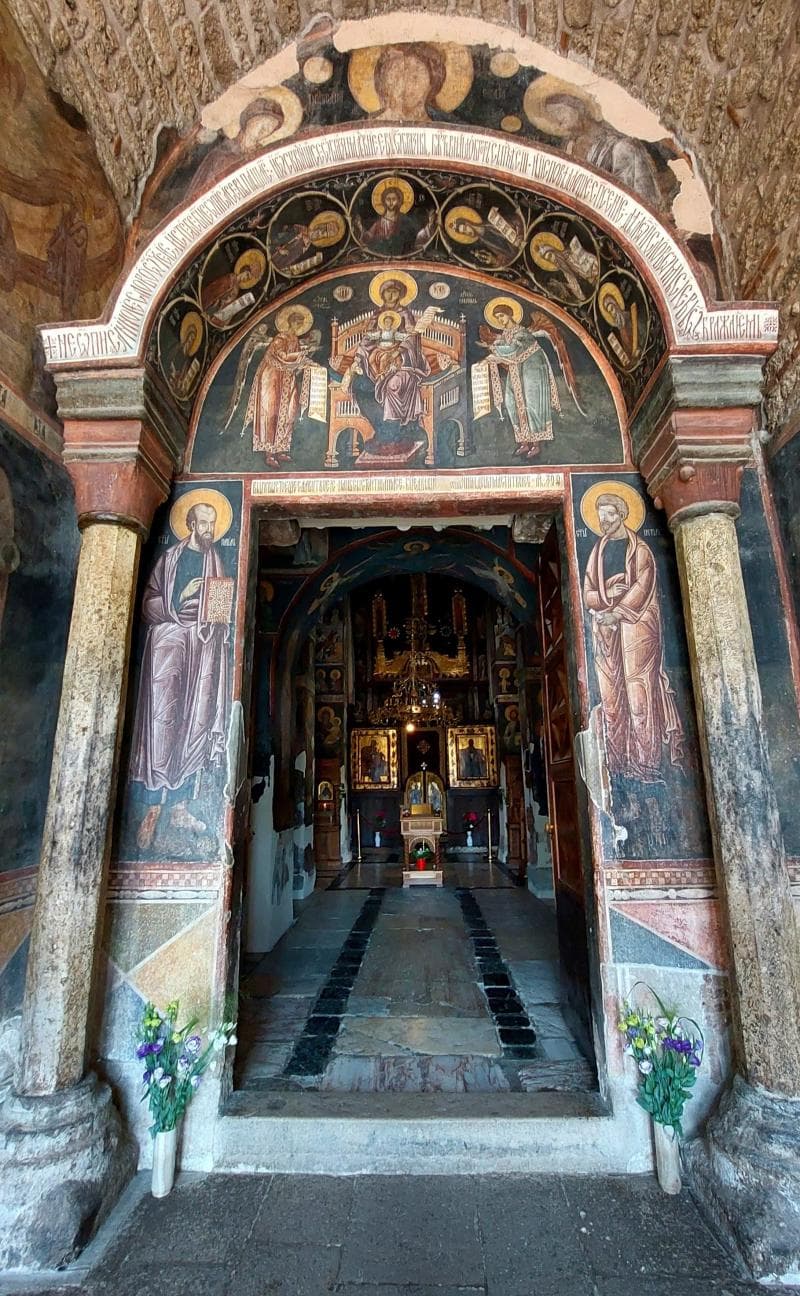
Explore the medieval frescoes of Gracanica Monastery in Pristina, Kosovo, a UNESCO World Heritage site featuring stunning 14th-century Byzantine art.
Overview
Nestled within the serene grounds of the Gracanica Monastery near Pristina, Kosovo, lie the magnificent Medieval Frescoes, a breathtaking testament to Byzantine art and a jewel of Orthodox Christian heritage. This Serbian Orthodox monastery, a UNESCO World Heritage Site, is celebrated worldwide for its stunning architecture and, most notably, its exceptionally preserved wall paintings that adorn nearly every interior surface. The frescoes offer a vibrant window into medieval religious devotion, historical narratives, and artistic mastery, drawing visitors into a world of profound spiritual and cultural significance.
The monastery itself is located in a Serbian enclave just 5 km from Pristina, serving not only as a spiritual hub but also as a vital cultural and national center for the Serb community in Kosovo. Visiting these frescoes is an immersive experience, inviting contemplation and wonder at the enduring power of art and faith through centuries of history.
History & Cultural Background
The Gracanica Monastery was founded in 1321 by the Serbian King Stefan Milutin, built upon the ruins of an older 13th-century church of the Holy Virgin, which itself stood on the foundation of a 6th-century early Christian basilica. King Milutin's dedication is evident from his own words, inscribed on the southern wall: 'I have seen the ruins and the decay of the Holy Virgin's temple of Gracanica, the bishopric of Lipljan, so I have built it from the ground and painted and decorated it both from inside and outside.' This act of restoration and artistic endowment marked a significant period in Serbian medieval history.
The primary frescoes within the church were painted between 1321 and 1322, reflecting the pinnacle of the Palaiologan Renaissance style, characterized by its vivid colors and dynamic compositions. While the nave houses the earliest and best-preserved paintings, later additions to the narthex date from the late 14th and early 15th centuries, with significant restoration and new frescoes commissioned by Patriarch Makarije Sokolovic in 1570, particularly in the exonarthex. Despite facing damages from conflicts and the passage of time, including during the Great Turkish War and periods of looting, the frescoes have remarkably endured, offering an invaluable record of medieval artistic expression and religious thought.
What Makes It Special
The medieval frescoes of Gracanica Monastery are considered an artistic high point of Byzantine monumental art of their era. They distinguish themselves through their strikingly vivid colors and the depth of their artistic execution, placing them among the finest examples of the Palaiologan Renaissance style. The iconographical program is incredibly rich and complex, encompassing diverse themes that range from comprehensive biblical narratives, such as the Festival Cycle and the Passion of Christ, to the ecclesiastical calendar.
What truly sets these frescoes apart is their unique blend of religious storytelling with historical portraiture. You'll find not only sacred scenes like 'The Assumption of the Virgin,' 'The Crucifixion of Jesus,' and the dramatic 'Last Judgment,' but also historical compositions featuring the founder, King Milutin, and Queen Simonida. These portraits often served to glorify the ruler and his lineage, an iconic concept typically reserved for Byzantine emperors. The monastery also boasts the earliest known depiction of the Nemanjić dynasty genealogy, a composition celebrating the Serbian royal family that begins with Stefan Nemanja and culminates with King Milutin, illustrating the divine investiture of rulers. The masters from Thessaloniki, possibly led by the renowned Michael Astrapas, are widely believed to be responsible for these masterpieces.
Stories, Fun Facts & Local Details
One of the most compelling aspects of the Gracanica frescoes is the 'ktetor' fresco, depicting King Milutin holding a model of the church. This founder's portrait, along with that of Queen Simonida, offers a direct visual link to the monastery's royal patronage and its historical context. Imagine standing where King Milutin's charter, outlining the monastery's estates, is literally painted onto a wall in the southern chapel, intertwining legal document with sacred art.
Another fascinating detail is the exhaustive illustration of the 'Last Judgment' in the narthex. This powerful and detailed depiction, with its surprisingly vivid colors even after centuries, includes scenes of demons guiding resurrected souls to hell, a resolute angel pushing the damned with a trident, and a troubled Jordan River cutting across the scene in 'The Baptism of Christ.' This emotional intensity and intricate detail would have served as a profound spiritual reminder to medieval worshippers. The artistic legacy of Gracanica has even inspired replicas, such as the New Gracanica church in Illinois, USA, a testament to its enduring architectural and artistic significance.
Visitor Perspective
Stepping into Gracanica Monastery and beholding its medieval frescoes is an experience that transcends mere sightseeing; it's like entering a living, sacred gallery. The sense of peace and devotion within its walls is palpable, with the scent of incense often lingering in the air. Visitors are immediately struck by the sheer volume and beauty of the well-preserved wall paintings that cover the interior. Each fresco tells a story, offering a profound journey through biblical narratives, the lives of saints, and significant historical moments of the Serbian Orthodox Church.
The vivid colors, even those dating back to the early 14th century, convey a powerful emotional resonance, making the figures and scenes feel incredibly present and alive. It's an opportunity to connect with centuries of artistry and deep spirituality, understanding why this site holds such immense cultural and religious importance to the people of Kosovo and beyond. This is not just a historical monument; it's a place where art, history, and faith converge, offering a deeply moving and enriching experience for any curious traveler.
Coordinates: 21.1893, 42.5923
View on Google Maps💬 How Travelers Describe This Place
Based on community votes
Photogenic
755Must See
728Beautiful
481Unique
183Interesting
28
Traveler Stories
Discover memorable experiences shared by travelers who have visited this place.
No traveler stories yet.
Be the first traveler to share what made this place memorable.

Tour
By
Spot
Discover amazing places around the world. Your journey starts here.
Explore
© 2026 TourBySpot. All rights reserved.