Medieval Artifacts
Chisinau, Moldova
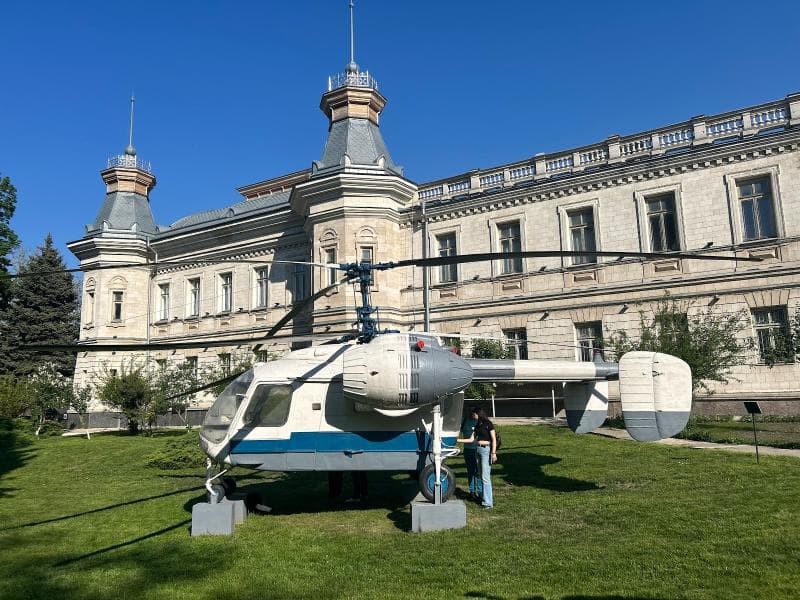
Explore Medieval Artifacts at the National Museum Of History Of Moldova in Chisinau, Moldova, uncovering centuries of rich history and cultural heritage.
Overview
Stepping into the National Museum of History of Moldova in Chisinau is like journeying through time, and one of its most compelling stops is the section dedicated to Medieval Artifacts. This collection offers a vivid glimpse into Moldova's rich and often tumultuous past, primarily spanning the 13th to the 18th centuries. As Moldova's most significant historical institution, the museum meticulously preserves and showcases an extensive array of objects that narrate the formation and evolution of the Moldavian state. It's a place where you can connect with the tangible remnants of centuries-old struggles, cultural exchanges, and daily life in medieval times.
History & Cultural Background
The medieval period in Moldovan history was a defining era, characterized by a persistent fight for national existence and the consolidation of its identity. The artifacts housed within the museum echo these foundational years, illustrating the intricate tapestry of a developing society. Exhibits from this era delve into the life and times of urban-type settlements, revealing how communities thrived and adapted. Visitors can trace the influences of various cultures that intersected in this strategically important region, from local traditions to broader European and Eastern impacts. The collection broadly covers the Moldavian state's history, highlighting significant periods of growth and defense.
What Makes It Special
What truly sets the Medieval Artifacts collection apart is its authenticity and the breadth of its offerings. You'll find an impressive array of arms and military equipment, a poignant reminder of the era's constant conflicts. Imagine standing before chain armors, helmets, arbalests, halberds, swords, cannons, and cannon-balls, each piece a testament to medieval warfare. Beyond military might, the museum presents a fascinating display of daily life and economic activity. Adornments and ceramic utensils excavated from ancient sites like Costesti and Orheiul Vechi provide insights into the artistry and domestic routines of the past. A particularly captivating segment includes coinage hoards, such as 14th-century silver bars discovered in Orhei Vechi, alongside 16th and 17th-century coins from Chisinau and Criuleni, which serve as tangible evidence of the brisk trade that shaped the medieval Moldavian economy. The collection also reverently portrays the spiritual development of the state through religious books, icons, crosses, and artifacts unearthed from historical sites like the Capriana monastery. The richness of these genuine archaeological finds makes the medieval section exceptionally compelling for those interested in material history.
Stories, Fun Facts & Local Details
Among the most enduring narratives in Moldova's medieval history are the feats of arms of Stephen the Great, or Stefan cel Mare, whose legendary campaigns against various invaders spread his glory across Europe. As you observe the military equipment, it's easy to envision the fierce determination that allowed Moldova to maintain its sovereignty for centuries. The collection does more than display objects; it evokes stories of resilience and leadership. The ancient coins and trade goods not only showcase economic prowess but also paint a picture of a vibrant, interconnected society actively engaged in regional commerce. Furthermore, the spiritual items from monasteries offer a window into the deep faith and cultural practices that underpinned medieval Moldovan life, highlighting how religion played a central role in both daily existence and national identity. It's these meaningful cultural details and historical anecdotes that transform mere artifacts into powerful storytellers.
Visitor Perspective
For any curious traveler, the Medieval Artifacts section at the National Museum of History of Moldova offers an incredibly enriching experience. The exhibits are thoughtfully arranged, presenting Moldova's past in chronological order and providing a clear narrative of the medieval period. The museum prides itself on offering explanatory exhibits that, along with specific museum reconstructions, help visitors immerse themselves in the atmosphere of bygone centuries. English translations are generally available, aiding international visitors in understanding the profound historical context of each piece. This section, considered one of the museum's strongest, particularly for its weapon and archaeological collections, promises an educational journey into the heart of Moldova's medieval heritage, making it a must-visit for anyone seeking a deeper appreciation of the region's historical and cultural significance.
Coordinates: 28.828067125159734, 47.022553566344016
View on Google Maps💬 How Travelers Describe This Place
Based on community votes
Unique
540Must See
470Beautiful
410Photogenic
147Interesting
114
Traveler Stories
Discover memorable experiences shared by travelers who have visited this place.
No traveler stories yet.
Be the first traveler to share what made this place memorable.

Tour
By
Spot
Discover amazing places around the world. Your journey starts here.
Explore
© 2026 TourBySpot. All rights reserved.