Market Entrance Arch
Barcelona, Spain
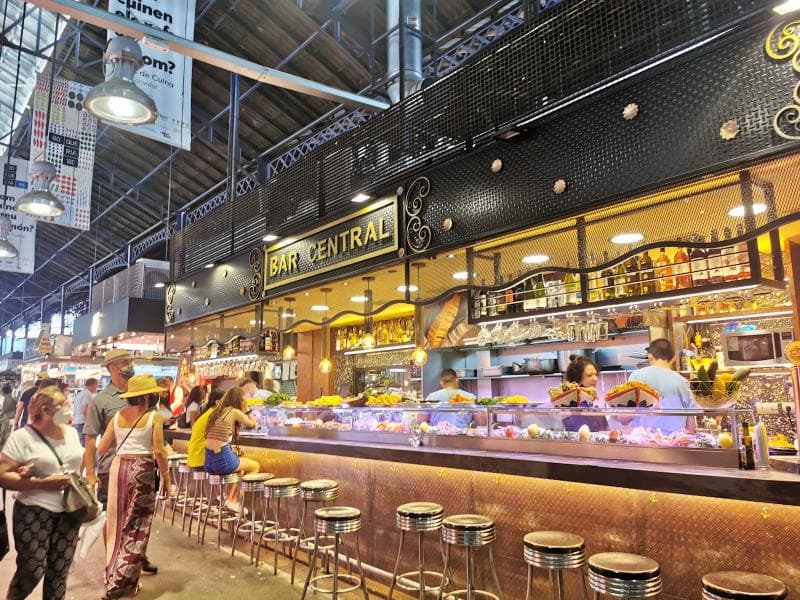
Discover the iconic Modernista Market Entrance Arch of Mercat de la Boqueria in Barcelona, Spain. Explore its rich history and vibrant architecture.
Overview
Stepping onto La Rambla in Barcelona, your gaze is inevitably drawn to the vibrant spectacle of Mercat de la Boqueria. While the market itself is a kaleidoscope of colors and aromas, it is the magnificent Market Entrance Arch that first beckons visitors into its culinary wonderland. This iconic entrance, a masterpiece of Modernista design, stands proudly as the gateway to one of the world's most renowned food markets, known officially as Mercat de Sant Josep de la Boqueria. It's not merely a functional entry point but an artistic and historical statement that sets the tone for the sensory feast within. The arch is celebrated for its intricate wrought ironwork and the splash of colorful stained glass that catches the Mediterranean sun, making it an unmissable landmark for any traveler exploring Barcelona's vibrant heart. Its presence marks a transition from the bustling energy of La Rambla to the equally dynamic, yet distinct, universe of fresh produce, exotic goods, and lively market chatter.
History & Cultural Background
The story of Mercat de la Boqueria stretches back centuries, with its origins as an open-air meat market dating as far back as 1217. Initially, traders would set up tables near the old city gate, evolving over time into the Mercat de la Palla, or 'straw market', until 1794. The market gained legal recognition in 1826, and by 1835, plans for a more official structure were set in motion. The market's current site, on La Rambla, was once home to the Convent of Sant Josep, which was demolished in 1835 after a fire. Construction of the modern market building began in 1840 under the direction of architect Josep Mas i Vilà, with its official inauguration in 1853.
However, the distinctive Market Entrance Arch, as we know it today, is a more recent addition, installed between 1913 and 1914. Designed by the Catalan architect Antoni de Falguera, this Modernista arch was part of a significant upgrade that also included the installation of the market's enduring metal roof. This development brought an end to the era of provisional coverings, providing a permanent and aesthetically pleasing enclosure for the market's bustling activities. The arch and roof were crucial in transforming the Boqueria into the enclosed, grand market hall it is now, solidifying its status as a pivotal urban space and a symbol of Barcelona's rich architectural heritage.
What Makes It Special
The Market Entrance Arch of Mercat de la Boqueria is special for several compelling reasons, primarily its striking Modernista architecture. Designed by Antoni de Falguera, the arch features exquisite wrought iron detailing that embodies the organic forms and decorative flair characteristic of Art Nouveau. What truly sets it apart, however, is the vibrant stained glass embedded within its metal framework. These colorful panes cast a mosaic of light and shadow, creating a visually captivating experience upon entry and departure.
Beyond its aesthetic appeal, the arch symbolizes a convergence of history, culture, and commerce. It stands as a bridge between the bustling promenade of La Rambla and the vibrant inner world of the market, inviting visitors to transition from the external urban rhythm to the sensory richness within. It's a testament to Barcelona's commitment to blending functionality with artistic expression, even in a commercial space. This architectural marvel isn't just a way in; it's an introduction to the market's soul, hinting at the diversity and vitality that lie beyond its ornate facade.
Stories, Fun Facts & Local Details
The name 'Boqueria' itself is steeped in local lore, believed to derive from the Catalan word 'boc,' meaning 'goat.' This refers to the historical trade of goat meat that took place on this very spot centuries ago. Imagine the scene centuries ago, with the bustling sounds of livestock and traders, a stark contrast to the colorful displays of fresh fruit and gourmet tapas found today.
The market has seen incredible transformations, from simple tables to an open-air market, and eventually, the grand structure we see. The arch, specifically, has been a witness to over a century of daily life, welcoming countless shoppers, local chefs seeking the finest ingredients, and curious travelers. It's said that the best time to visit for an authentic local experience, bypassing the busiest tourist crowds, is early in the morning when the market hums with the activity of vendors setting up their stalls and local chefs selecting their produce.
Walking through the arch isn't just entering a market; it's stepping into a living, breathing piece of Barcelona's history and an ongoing testament to its culinary traditions. The market even received the 'Best Market in the World' award in 2005 from the World Markets Congress, and CNN named it the best fresh produce market globally, a testament to its enduring quality and appeal.
Visitor Perspective
For the curious traveler, approaching the Market Entrance Arch is an experience in itself. From the lively pulse of La Rambla, the arch emerges as a decorative focal point, hinting at the culinary adventure that awaits. As you pass beneath its wrought iron and stained glass, the sounds and smells of the market intensify, creating an immersive sensory journey. The arch serves as a visual and symbolic threshold, transporting you from the broad pedestrian boulevard into a world where every stall is a display of local produce, international delicacies, and passionate traders.
It's common for visitors to pause here, taking photographs, captivated by the intricate details and the play of light. This momentary pause is a cherished part of the Boqueria experience, a chance to appreciate the architectural beauty before diving into the market's labyrinthine aisles. Once inside, the arch's grandeur resonates with the market's vibrant energy, reminding you of the historical depth and cultural significance of this beloved Barcelona landmark. It sets the stage for discovering everything from exotic fruits and freshly caught seafood to artisanal cheeses and traditional Catalan sweets.
Coordinates: 2.17306, 41.38139
View on Google Maps💬 How Travelers Describe This Place
Based on community votes
Interesting
963Unique
663Must See
653Beautiful
503Photogenic
201
Traveler Stories
Discover memorable experiences shared by travelers who have visited this place.
No traveler stories yet.
Be the first traveler to share what made this place memorable.

Tour
By
Spot
Discover amazing places around the world. Your journey starts here.
Explore
© 2026 TourBySpot. All rights reserved.