Maritime Museum
Reykjavik, Iceland
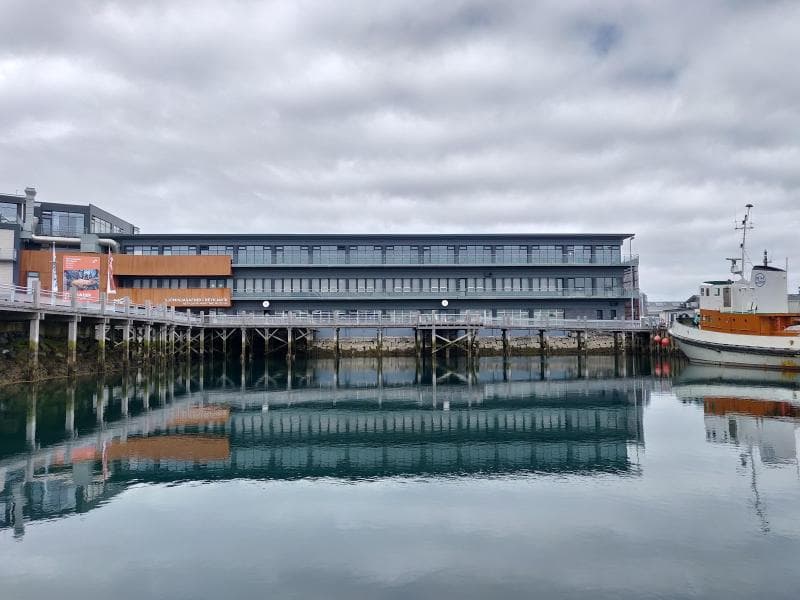
Explore Iceland's rich seafaring past at the Reykjavik Maritime Museum in Reykjavik, Iceland. Discover fishing heritage, the Coast Guard vessel Óðinn, and the Old Harbour's history.
Overview
The Reykjavík Maritime Museum, known as Sjóminjasafnið í Reykjavík in Icelandic, offers a captivating journey into Iceland's profound connection with the sea. Nestled within the vibrant setting of Reykjavík's Old Harbour, this museum is a key component of the Reykjavík City Museum, providing a window into the nation's rich seafaring heritage. It is housed in a building that was once a bustling fish freezing plant, lending an authentic atmosphere to its exhibitions. The museum meticulously chronicles the evolution of Icelandic fisheries and maritime life, from the earliest settlements to the significant developments of the 20th century.
Visitors to the Maritime Museum can explore several permanent exhibitions that delve into the history of sailing, the transformation of fishing from a subsistence activity to a modern industry, and the pivotal role of the Icelandic Coast Guard. Its prime location in the Old Harbour makes it an integral part of experiencing Reykjavík's historical maritime core, offering clear views of the working port and Mount Esja in the distance.
History & Cultural Background
The building housing the Reykjavík Maritime Museum was originally constructed in 1947 as a fish freezing plant on a landfill called Grandi. This site played a crucial role in Reykjavík's Municipal Fishing Company, becoming a major processor of redfish fillets before its operations moved in 1985. After remaining unused for nearly two decades, the Reykjavík City Council formally established it as a maritime museum in 2002, opening its doors to the public in 2005.
The Old Harbour itself has a deep historical significance for Reykjavík and Iceland. Its construction, primarily between 1913 and 1917, was a monumental undertaking that transformed a natural cove into a vital commercial hub. This development was instrumental in Reykjavík's growth, becoming the epicentre of trade and fishing that ultimately solidified the city's status as Iceland's thriving capital. The harbour became a central point for the nation's expanding fishing fleet and its associated industries, bolstering Iceland's economy and shaping its cultural identity.
What Makes It Special
The Reykjavík Maritime Museum stands out for its engaging and interactive approach to history. Its main permanent exhibition, 'Fish & folk – 150 years of fisheries,' uses a blend of objects, pictures, games, and texts to tell the compelling story of how fishing has shaped Icelandic life. The museum uniquely integrates its industrial past into the visitor experience; the entrance to this exhibition, for instance, passes through a reconstructed section of the steamship Gullfoss from 1915.
Perhaps the most celebrated exhibits are the floating vessels moored at the museum's pier. The Coast Guard vessel Óðinn is a particular highlight, preserved in the condition it was in when it arrived at the museum in 2008. This ship played an active role in all three 'Cod Wars' between Iceland and the United Kingdom, making it a tangible link to a pivotal period in Icelandic history. Additionally, the tugboat Magni, the first steel ship built in Iceland, showcases early Icelandic engineering and maritime industry.
Stories, Fun Facts & Local Details
The story of the Óðinn is particularly poignant. Beyond its role in the Cod Wars – where Iceland successfully extended its exclusive fishing zone – the vessel was a highly effective patrol and rescue ship, credited with saving numerous crews and towing nearly 200 vessels to safety. Exploring the Óðinn offers a powerful glimpse into the challenges and triumphs of those who worked the treacherous North Atlantic waters. For younger visitors, the museum provides a program where children can dress up as traditional fishermen and explore a rowboat, making history come alive.
The museum cleverly incorporates artistic and literary elements, such as wall tiles along the staircase printed with the poem 'Ode to the Codfish' by Hannes Hafstein, celebrating this 'finny hero' of Iceland's independence. The authentic setting, with a specially designed wooden pier and seawater flowing beneath, truly evokes the feeling of being in a working harbour, connecting visitors directly to the maritime spirit of Iceland.
Visitor Perspective
A visit to the Reykjavík Maritime Museum offers a multifaceted experience for travelers of all ages. Located conveniently in the Old Harbour, it is easily accessible on foot from the city centre. The museum provides an immersive environment where one can spend hours absorbing the rich details of Iceland's past. The interactive displays and personal accounts from mariners and factory workers bring the stories of the sea to life, making the history of fishing tangible and relatable.
From the museum's café, visitors can enjoy excellent views of the bustling harbour activity, reflecting on the enduring legacy of the sea in Icelandic culture. The ability to tour the Óðinn provides a unique, hands-on opportunity to step aboard a piece of living history. Whether you are deeply interested in maritime lore or simply curious about the forces that shaped Iceland, the Maritime Museum offers an informative and emotionally resonant journey into the heart of the nation's identity.
Coordinates: -21.9489, 64.1532
View on Google Maps💬 How Travelers Describe This Place
Based on community votes
Unique
926Interesting
450Beautiful
404Photogenic
280Must See
246
Traveler Stories
Discover memorable experiences shared by travelers who have visited this place.
No traveler stories yet.
Be the first traveler to share what made this place memorable.

Tour
By
Spot
Discover amazing places around the world. Your journey starts here.
Explore
© 2026 TourBySpot. All rights reserved.