Manuscripts
Salzburg, Austria
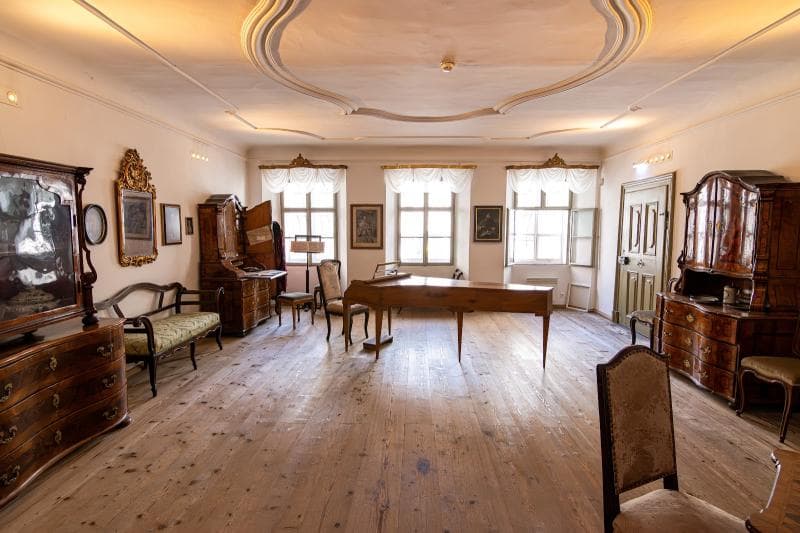
Explore original manuscripts and letters at Mozart's Birthplace in Salzburg, Austria, revealing intimate insights into the composer's life and genius.
Overview
Step into the hallowed halls of Mozart's Birthplace in Salzburg, Austria, and discover a profound connection to the legendary composer through its treasured collection of manuscripts. While the entire museum offers a vivid portrait of Wolfgang Amadeus Mozart's early life, the manuscript section provides a particularly intimate glimpse into his creative process and personal world. Here, original documents, letters, and musical scores illuminate the genius who once walked these very rooms, transforming abstract ideas into timeless masterpieces. This sub-spot within the birthplace is a cornerstone for understanding not just the music, but the man behind it, offering tangible evidence of his prodigious talent and the meticulous hand that penned his immortal notes.
History & Cultural Background
The extensive collection of Mozart family manuscripts, a significant portion of which is preserved by the International Mozarteum Foundation in Salzburg, forms the bedrock of our understanding of Wolfgang Amadeus Mozart. The foundation itself, which operates Mozart's Birthplace as a museum, serves as the global custodian of Mozart's legacy. The Bibliotheca Mozartiana, a specialized library associated with the foundation, proudly houses over half of all known documents related to the Mozart family. This includes a staggering array of materials: approximately 200 original letters penned by Mozart himself, around 300 letters from his diligent father, Leopold, and over 100 autograph music manuscripts, often in the form of sketches and drafts.
The genesis of this invaluable archive can be traced back to the profound generosity of Mozart's widow, Constanze, and their two sons, Carl Thomas and Franz Xaver. Through their donations and bequests, a rich tapestry of personal and artistic documents was painstakingly assembled, ensuring that future generations could study and appreciate the composer's life and work. This commitment to preservation continued through subsequent acquisitions, such as the significant Eggers collection, which brought additional letters and music manuscripts into the foundation's care. These historical documents not only chronicle Mozart's extraordinary journey but also reflect the broader cultural and musical landscape of 18th-century Europe, offering unparalleled insights into a pivotal era of classical music.
What Makes It Special
What truly distinguishes the manuscript collection at Mozart's Birthplace and the broader Mozarteum Foundation is the direct, unfiltered access it provides to Mozart's mind and hand. Imagine standing before the very sheets of paper where a five-year-old Wolfgang Amadeus first scrawled his compositions. Among the most captivating exhibits are the earliest known works of Mozart, labeled K. 1a-1d. These brief, exquisite pieces – an Andante, two Allegros, and a Minuet – were transcribed by his father, Leopold, into what is affectionately known as 'Nannerl's Music Book,' a testament to young Wolfgang's nascent genius. To see these initial strokes of brilliance, raw and unadorned, is to witness the very dawn of a musical phenomenon.
Beyond the musical scores, visitors can examine original letters and certificates. These handwritten communications offer intimate glimpses into Mozart's personal life, his relationships with family and patrons, his travels, and his struggles. They reveal the human side of the musical prodigy, offering context to the triumphs and tribulations of his short but impactful life. The meticulous nature of these documents, sometimes showing Mozart's preferred way of signing his scores—such as 'Wolfgang Amadeo' or 'Wolfgango'—adds another layer of personal connection for the curious traveler. Each faded ink stroke and carefully formed letter is a direct link to the past, making the abstract figure of Mozart remarkably tangible.
Stories, Fun Facts & Local Details
The manuscripts tell stories far beyond their notes and words. For instance, the sheer dedication of Leopold Mozart, who not only recognized his son's unparalleled talent but also meticulously transcribed his earliest efforts, speaks volumes about the family's environment. It was Leopold who carefully preserved Wolfgang's childhood compositions, some of which are displayed within the museum. It's a poignant reminder that even the greatest geniuses often rely on the support and foresight of those around them.
A fascinating detail is how some of Mozart's original manuscripts were dispersed over time, sometimes even cut into fragments and given away as souvenirs in the 19th century, before dedicated efforts by institutions like the Mozarteum Foundation sought to reassemble and protect them. The commitment to continually expanding and preserving this collection highlights the enduring global fascination with Mozart. The Bibliotheca Mozartiana even houses a special 'autograph vault' to ensure these irreplaceable treasures are kept safe, occasionally offering special tours to allow a privileged few to see them up close. This ongoing dedication ensures that Mozart's voice, through his own hand, continues to resonate through the centuries.
Visitor Perspective
For any admirer of classical music or European history, encountering the manuscripts at Mozart's Birthplace is an undeniably moving experience. As you navigate the three floors of the museum, past his childhood violin and clavichord, you arrive at the rooms dedicated to his written legacy. There's a hushed reverence in these spaces, a palpable sense of history emanating from the delicate paper and faded ink. Seeing Mozart's own handwriting, whether in a letter to his family or a draft of a musical passage, creates an immediate and profound connection to the composer that no recording or printed score can replicate. It transports you directly into his world, allowing you to imagine him bent over these very pages, his mind alight with musical invention.
The experience is less about grand spectacles and more about intimate discovery. It’s an opportunity to truly appreciate the painstaking craft behind his compositions and the personal narratives woven into his life. While the birthplace itself is a historic building, remember that it is not wheelchair accessible, so planning accordingly is advisable. However, for those able to visit, the chance to stand inches away from the tangible evidence of one of history's greatest musical minds makes the journey to Salzburg an unforgettable pilgrimage.
Coordinates: 13.04356, 47.79993
View on Google Maps💬 How Travelers Describe This Place
Based on community votes
Beautiful
948Unique
913Interesting
337Must See
196Photogenic
94
Traveler Stories
Discover memorable experiences shared by travelers who have visited this place.
No traveler stories yet.
Be the first traveler to share what made this place memorable.

Tour
By
Spot
Discover amazing places around the world. Your journey starts here.
Explore
© 2026 TourBySpot. All rights reserved.