Manila Ocean Park
Manila, Philippines
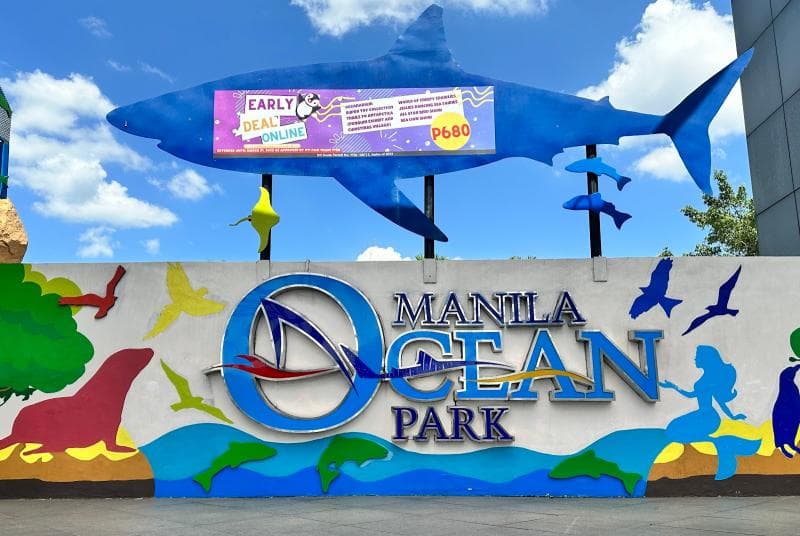
Discover Manila Ocean Park in Manila, Philippines, the country's first world-class marine theme park featuring a stunning oceanarium and diverse aquatic life.
Overview
Manila Ocean Park, nestled in the heart of Manila, Philippines, stands as the country's first world-class marine theme park and oceanarium. More than just an attraction, it offers an immersive journey into the wonders of the aquatic world and beyond, blending education, entertainment, and conservation efforts. Located strategically behind the historic Quirino Grandstand at Rizal Park, it has become a popular destination for both local and international visitors seeking a unique experience in the bustling capital.
The park is an integrated urban resort, encompassing diverse attractions that range from expansive aquariums to interactive animal encounters. It serves as a vibrant educational facility, aiming to foster greater awareness and appreciation for the rich marine biodiversity of the Philippines and Southeast Asia.
History & Cultural Background
Manila Ocean Park officially opened its doors on March 1, 2008, after nearly a year of construction. The project was spearheaded by China Oceanis Philippines Inc., a subsidiary of a Singaporean-registered firm known for operating several oceanariums in Asia. Its establishment marked a significant milestone, offering Filipinos and tourists an unparalleled opportunity to explore marine life up close in a world-class setting. The park's location, adjacent to Rizal Park, places it in a culturally significant area, allowing visitors to combine historical exploration with marine discovery. The development involved constructing structural pillars at the beachfront and a platform that initially served as a promenade walkway before the main facility's completion.
What Makes It Special
The centerpiece of Manila Ocean Park is its impressive Oceanarium, home to approximately 14,000 sea creatures from about 277 species, many of which are indigenous to the Philippines and other parts of Southeast Asia. A highlight is the 25-meter (82 ft) long, 220-degree curved walkway tunnel, which provides a breathtaking panoramic view of marine life swimming overhead, creating a sensation of being submerged in the ocean depths. Notably, the seawater used in the Oceanarium is sourced directly from Manila Bay and undergoes a meticulous filtration process to ensure it is suitable for its inhabitants.
Beyond the Oceanarium, the park boasts a variety of unique attractions. The Trails to Antarctica is a groundbreaking facility, being the country's first penguin park, featuring Humboldt penguins and an ice slide. Visitors can also explore the mesmerizing Jellies Exhibit, showcasing various species of jellyfish, and the Birds of Prey Kingdom, featuring majestic Brahminy kites. Other engaging features include the World of Creepy Crawlies, Sea Lion Shows, All Star Bird Shows, and the Symphony, a captivating musical fountain performance. The park also integrates Hotel H2O, a marine-themed hotel built atop the Oceanarium, offering unique accommodations.
Stories, Fun Facts & Local Details
Manila Ocean Park is not only about entertainment but also a strong advocate for environmental conservation. Its banner Corporate Social Responsibility (CSR) program, 'I Love My Ocean Planet', actively promotes public awareness and action on coastal management issues, encouraging volunteerism and community mobilization. The park has been involved in initiatives such as coastal clean-up drives and has committed to banning single-use plastics in its food outlets to reduce marine pollution.
A touching success story within the park is its Humboldt penguin breeding program, which has seen numerous baby penguins hatch and thrive within the facility since its inception. This commitment to responsible animal care underscores its role as a premier educational institution. The park's integration with Hotel H2O also allows for a truly immersive, 'aqua-themed' resort experience, distinguishing it as a unique destination.
Visitor Perspective
For a curious traveler, Manila Ocean Park offers an educational and interactive experience that appeals to all ages. It provides a rare opportunity to connect with marine life and learn about conservation in an engaging environment. To maximize a visit, it's highly recommended to purchase tickets online in advance to avoid queues. The park is typically open from 10 AM to 6 PM every Monday to Sunday, though it's always wise to check their official website for the most current operating hours, especially on holidays or for special events. Given the variety of attractions and shows, visitors should allocate at least half a day, or even a full day, to fully explore everything the park has to offer. It's an ideal spot for families, school groups, and anyone with a fascination for the ocean's mysteries, offering a refreshing break from the urban landscape and a deeper appreciation for the Philippines' rich natural heritage.
Coordinates: 120.9733, 14.57934
View on Google Maps💬 How Travelers Describe This Place
Based on community votes
Beautiful
719Interesting
705Must See
655Unique
396Photogenic
256
Traveler Stories
Discover memorable experiences shared by travelers who have visited this place.
No traveler stories yet.
Be the first traveler to share what made this place memorable.
Things to see at Manila Ocean Park



Tour
By
Spot
Discover amazing places around the world. Your journey starts here.
Explore
© 2026 TourBySpot. All rights reserved.