Main Sculpture Letters
Pristina, Kosovo
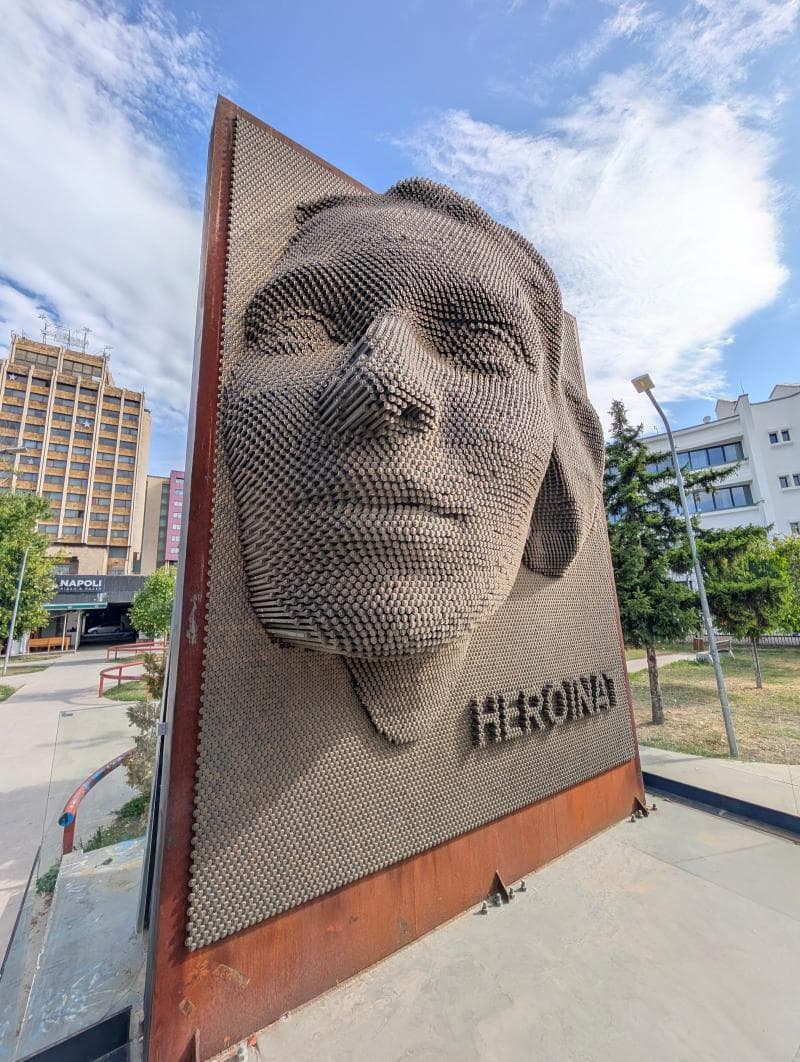
Explore the Newborn Monument in Pristina, Kosovo – a dynamic typographic sculpture symbolizing the nation's independence and evolving identity.
Overview
The Main Sculpture Letters, universally recognized as the Newborn Monument, is a powerful typographic sculpture located in Pristina, Kosovo. Unveiled on February 17, 2008, the very day Kosovo formally declared its independence from Serbia, it stands as an enduring symbol of a nation's rebirth. Situated prominently in front of the Palace of Youth and Sports, the monument spells out the English word 'NEWBORN' in large, capital block letters. Each letter measures approximately three meters in height, and the entire structure spans about 24 meters in length, emphasizing its monumental scale and significance. Weighing a substantial nine tons, it was conceived by Kosovar designer Fisnik Ismaili in collaboration with the creative agency Ogilvy Kosova.
The monument's strategic placement and its immediate association with the declaration of independence cemented its status as a landmark. Far from being a static piece of art, the Newborn Monument is dynamic, evolving with the country it represents. Its bold design and central location make it an unavoidable and thought-provoking sight for anyone visiting the capital of Europe's youngest nation.
History & Cultural Background
The creation of the Newborn Monument was a race against time, with its design and installation completed in a remarkable ten days leading up to Kosovo's declaration of independence. It emerged as the first major public monument to commemorate this historic event, immediately capturing national pride and international media attention.
The choice of 'Newborn' as a single English word was deliberate. It conveys the powerful message of a country's birth, imbued with positive connotations of a fresh start and presenting Kosovo as a new, contemporary nation. Initially, the monument was painted a vibrant bright yellow, a color strategically chosen to complement blue banners, symbolizing both Kosovo's newly adopted national colors and those of the European Union. This initial aesthetic choice underscored the young nation's aspirations for integration and a forward-looking future. The specific typeface used for the letters is FF DIN, known for its clear and universal modern aesthetic.
What Makes It Special
What truly sets the Newborn Monument apart is its unique and innovative characteristic as a 'living monument.' Unlike traditional static memorials, the letters are annually repainted and redesigned, typically around the February 17th independence anniversary. This annual transformation allows the monument to serve as a constantly evolving canvas that reflects current social, political, and cultural themes relevant to Kosovo.
This innovative approach has garnered significant international acclaim, earning prestigious awards such as the Cannes Gold Lion Award for design. Each year, the new design offers a fresh perspective on Kosovo's journey, making every visit potentially a unique experience. This adaptability allows the monument to engage in public discourse, celebrating progress, acknowledging challenges, and embodying the nation's ongoing narrative of identity and resilience.
Stories, Fun Facts & Local Details
- A Canvas for Expression: Upon its initial unveiling, the monument was signed by the then-President and Prime Minister of Kosovo, along with thousands of citizens who celebrated the declaration of independence. Visitors today are often encouraged to leave their own mark or messages, contributing to its evolving narrative.
- International Spotlight: The monument gained immediate global recognition, notably being featured on the front page of The New York Times following its unveiling.
- Pop Culture Appearance: The Newborn Monument even made an appearance in pop culture when British-Albanian singer Rita Ora famously danced atop its letters, draped in the Kosovar flag, in her music video for 'Shine Ya Light.'
- Annual Themes: Over the years, the monument has adopted diverse themes. Early designs included the flags of countries that had recognized Kosovo. In 2014, it sported camouflage patterns to honor peacekeepers and the Kosovo Liberation Army. More recent transformations have addressed topics like gender equality, environmental justice, and significant political statements, such as the 2023 design that rearranged the letters and carried the message 'No New Broken Republic' to protest specific political pressures. In 2024, it celebrated freedom of movement following visa liberalization, depicting seven skies representing European cities. For its 18th anniversary in 2026, the monument featured imitation cracks inspired by the Japanese art of kintsugi, symbolizing resilience and growth through adversity.
Visitor Perspective
For curious travelers, the Newborn Monument offers a truly meaningful experience. It's a highly accessible and central landmark, located in Pristina's bustling city center. Visitors often spend 15 to 30 minutes appreciating its scale, current design, and symbolic depth. It serves as a popular backdrop for photographs, where both locals and tourists capture a moment with this potent symbol of national identity.
The best times to visit for photography are typically early morning or late afternoon, when the light is softer and crowds are generally smaller. For those seeking a truly unique cultural experience, timing a visit around February 17th, Kosovo's Independence Day, allows you to witness the unveiling of its annual redesign and participate in the celebratory atmosphere that often accompanies this event. The monument is more than just a set of letters; it is a profound reflection of Kosovo's past, present, and aspirations for the future.
Coordinates: 21.158209, 42.660539
View on Google Maps💬 How Travelers Describe This Place
Based on community votes
Must See
787Interesting
748Beautiful
85Unique
73Photogenic
35
Traveler Stories
Discover memorable experiences shared by travelers who have visited this place.
No traveler stories yet.
Be the first traveler to share what made this place memorable.

Tour
By
Spot
Discover amazing places around the world. Your journey starts here.
Explore
© 2026 TourBySpot. All rights reserved.