Main Prayer Hall
Dushanbe, Tajikistan
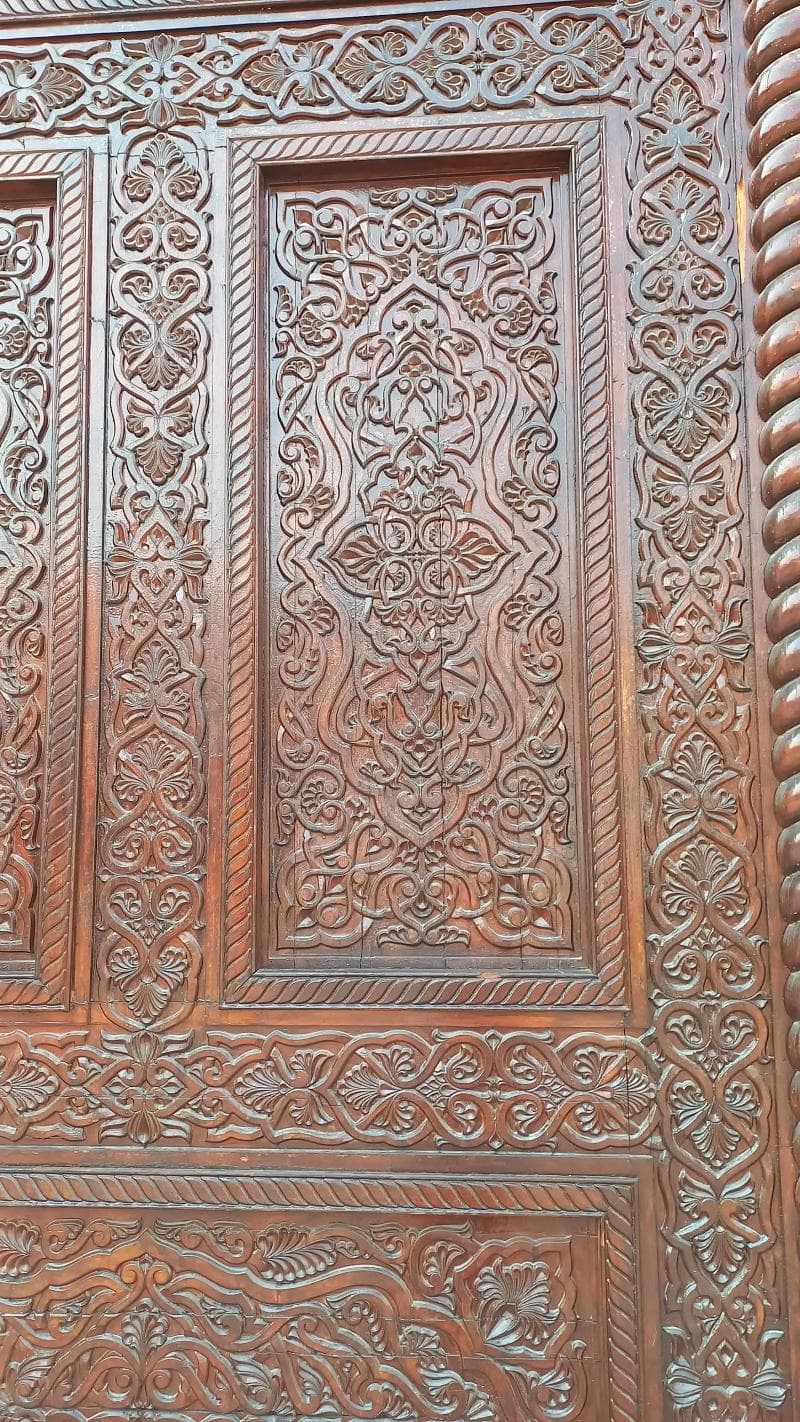
Discover the Main Prayer Hall of Haji Yakoub Mosque in Dushanbe, Tajikistan. Explore its rich history, unique Tajik-Persian architecture, and spiritual ambiance.
Overview
Nestled in the heart of Dushanbe, Tajikistan's vibrant capital, the Main Prayer Hall within the Haji Yakoub Mosque stands as a profound symbol of faith and cultural heritage. This significant religious landmark, also known as Haji Yaqub Mosque or Mevlana Yakub Charki Mosque, holds a central position both geographically and spiritually in the city. It serves as a vital gathering place for the local Muslim community, accommodating up to 3,000 worshippers at a time. Stepping into the Main Prayer Hall offers a unique opportunity to immerse oneself in centuries of devotion and architectural artistry, making it a must-visit for anyone seeking a deeper understanding of Central Asian Islamic culture.
History & Cultural Background
The origins of the Haji Yakoub Mosque trace back to 1856, when its foundation was laid with the generous financial support of a local religious leader, Haji Yakub, and his mother. While the site was established in the mid-19th century, the main building, housing the prominent prayer hall as we largely see it today, was constructed between 1905 and 1910, shaping its enduring architectural form. Over the decades, the mosque has undergone numerous renovations and expansions, transforming it from its original, more modest size into the grand complex it is now. A notable renovation took place in 1996 under the guidance of Master Said Ikrom of Konibodom, with further major restoration efforts in the late 1990s following the country's independence from the Soviet Union.
Its history is deeply intertwined with Tajikistan's political and social evolution. During the Soviet era, like many religious institutions, the mosque faced restrictions on religious activity. However, it resiliently continued to serve the local Muslim community, embodying the continuity of Islamic life in the region. The mosque complex has historically housed the Islamic Centre of the Republic of Tajikistan and formerly the Islamic Institute of Tajikistan, underscoring its role as a hub for Islamic learning and culture. The Main Prayer Hall has been at the core of this tradition, witnessing countless prayers and communal gatherings throughout its long history.
What Makes It Special
The Main Prayer Hall of the Haji Yakoub Mosque is a captivating display of traditional Central Asian Islamic architecture, showcasing a harmonious fusion of Persian and Tajik styles. Its interior is renowned for fine craftsmanship, featuring intricate carvings and decorative elements that adorn the walls and columns. Visitors will notice patterned mosaic (mo'araq) tiles that add a vibrant touch to the space, alongside beautifully carved wooden columns along the porches leading into the main hall. A central feature of the prayer hall is the arched altar, or mihrab, located on the western wall, which indicates the direction of Mecca for prayer. The plasterwork around the mihrab and other interior sections often incorporates natural patterns, reflecting local artistic traditions. The sense of tranquility and spiritual serenity within this spacious hall, capable of hosting thousands, creates an atmosphere conducive to reflection and devotion.
Stories, Fun Facts & Local Details
Beyond its aesthetic beauty, the Main Prayer Hall holds a profound resonance for the local community. It is not merely a structure but a living testament to faith, a place where generations have gathered for daily prayers, Friday sermons, and special religious festivals like Eid al-Fitr or Eid al-Adha, when the mosque comes alive with vibrant celebrations. While Dushanbe now boasts a much larger new Central Mosque, the Haji Yakoub Mosque retains its historical significance and unique charm, serving a distinct and revered role within the city's religious landscape. The traditional Tajik national traditions of cult construction and art, visible in the mosque's design, tell a story of local artisans and their enduring skills. The sustained use of the prayer hall, despite political shifts, highlights the resilience and deep-rooted Islamic identity of the Tajik people.
Visitor Perspective
For a curious traveler, stepping into the Main Prayer Hall offers an authentic glimpse into the spiritual life of Dushanbe. The peaceful atmosphere inside is palpable, inviting visitors to observe moments of quiet prayer and contemplation. To ensure a respectful visit, it is essential to dress modestly; women are generally expected to cover their heads with a scarf, and both men and women should wear clothing that covers arms and legs. Visiting outside of designated prayer times is usually recommended to avoid disrupting worshippers. The Main Prayer Hall, with its rich decorations and serene ambiance, provides a profound cultural experience, allowing one to connect with the deep historical and religious currents that flow through Tajikistan's capital.
Coordinates: 68.7742, 38.56
View on Google Maps💬 How Travelers Describe This Place
Based on community votes
Must See
726Beautiful
717Photogenic
449Unique
335Interesting
22
Traveler Stories
Discover memorable experiences shared by travelers who have visited this place.
No traveler stories yet.
Be the first traveler to share what made this place memorable.

Tour
By
Spot
Discover amazing places around the world. Your journey starts here.
Explore
© 2026 TourBySpot. All rights reserved.