Main Monument
New York, United States
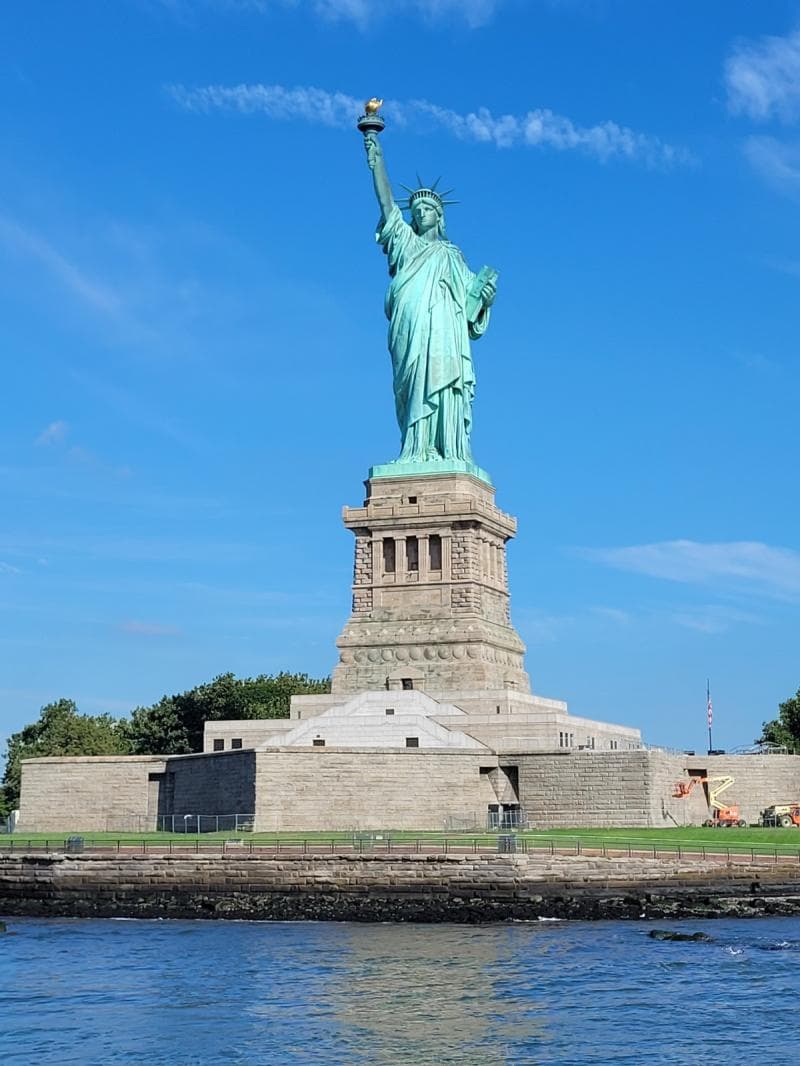
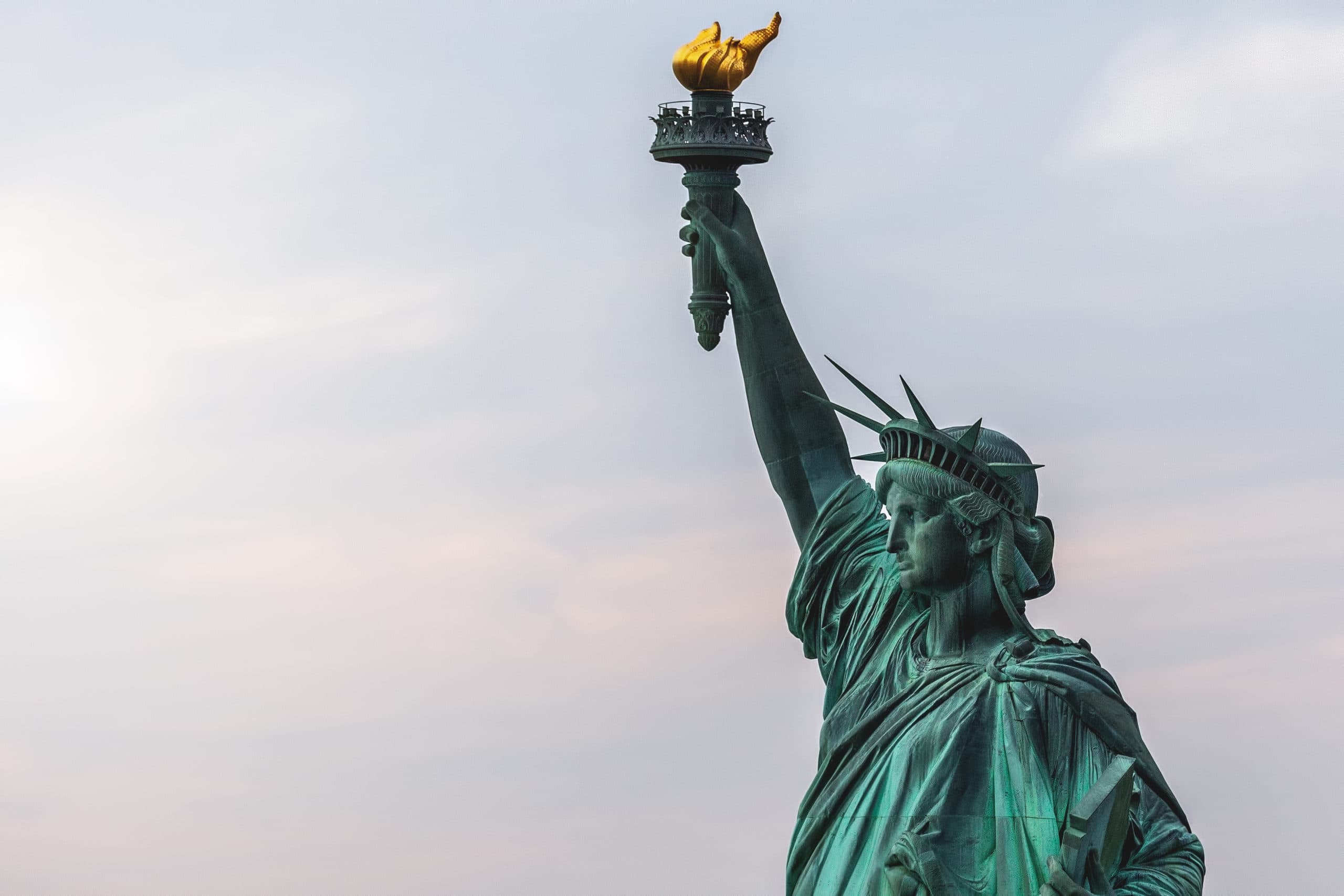
Explore the Statue of Liberty's interior, including its iconic Pedestal and Crown, in New York, United States. Discover its history, engineering, and symbolic significance.
Overview
Rising majestically from Liberty Island in New York Harbor, the Statue of Liberty stands as an enduring beacon of freedom and democracy, welcoming millions to the United States. This colossal neoclassical sculpture, officially named 'Liberty Enlightening the World,' is a monumental gift from the people of France to the people of the United States. While often admired from afar, exploring the interior of this iconic landmark, particularly its pedestal and crown, offers a profound and immersive experience, connecting visitors directly with its powerful symbolism and intricate engineering.
History & Cultural Background
The genesis of Lady Liberty dates back to 1865, when French historian Édouard de Laboulaye proposed a monumental gift to commemorate the alliance between France and the United States and celebrate the centennial of American independence, alongside the abolition of slavery. Sculptor Frédéric Auguste Bartholdi took on the ambitious task of design, envisioning a robed woman holding a torch aloft, symbolizing enlightenment, and cradling a tablet inscribed with 'JULY IV MDCCLXXVI' (July 4, 1776), marking the date of the Declaration of Independence. At her feet lie broken shackles, a subtle yet powerful representation of freedom from oppression. Gustave Eiffel, renowned for his eponymous tower, engineered the statue's intricate internal iron framework, allowing the copper skin to move independently while providing essential structural support.
Construction in France spanned from 1875 to 1884. The completed statue was then disassembled into 350 pieces, packed into 214 crates, and shipped across the Atlantic in 1885. Fundraising for the American pedestal, designed by architect Richard Morris Hunt, proved challenging, with Joseph Pulitzer of the 'New York World' launching a successful public campaign. Finally, on October 28, 1886, the Statue of Liberty was dedicated, becoming a symbol of hope and opportunity for immigrants arriving by sea.
What Makes It Special
Beyond its immense scale and aesthetic grandeur, what truly distinguishes the Statue of Liberty is its profound layers of meaning and the innovative engineering that brought it to life. Eiffel's pioneering design utilized a curtain wall construction, a revolutionary approach at the time, where the copper exterior is supported by a flexible inner framework, allowing it to withstand the strong harbor winds. Visitors have the rare opportunity to step inside this engineering marvel, ascending through its core to experience the very structure that holds it together. The journey into the pedestal and then, for those who dare, into the crown, offers unparalleled panoramic views of New York Harbor, the Manhattan skyline, and the surrounding areas. The newly opened Statue of Liberty Museum further enriches the experience, housing the original torch and offering interactive exhibits that delve into the statue's history and symbolism.
Stories, Fun Facts & Local Details
Lady Liberty holds many fascinating tales. Originally, her exterior was the lustrous color of a copper penny, but over decades, exposure to the elements caused the copper to oxidize, gradually transforming her into the iconic green hue we see today. She endures numerous lightning strikes annually and can sway several inches during high winds, a testament to Eiffel's flexible design. The original torch, damaged in a 1916 explosion, is now housed in the museum, replaced by a replica. The seven rays on her crown symbolize the seven continents and seven seas, representing universal liberty. The island she stands on, once known as Bedloe's Island, was officially renamed Liberty Island in 1956, cementing its identity. The narrow double-helix staircase inside the statue, leading to the crown, allows visitors to observe Eiffel's skeletal framework up close, seeing the individual copper plates that form her dress.
Visitor Perspective
Visiting the interior of the Statue of Liberty requires planning. Access to the pedestal and especially the crown is highly sought after and requires advance reservations through Statue City Cruises, the official ferry service. The Pedestal offers impressive views from its observation deck and houses the museum, accessible via elevators or a climb of 215 steps. For the more adventurous, reaching the crown involves a strenuous climb of 162 narrow, winding steps from the top of the pedestal, equal to ascending a 20-story building. There is no elevator service to the crown, and visitors must be in good physical condition, with restrictions for young children and those with certain health conditions. Strict security screenings are in place, similar to airport procedures, and certain items like large bags, food, and drinks are prohibited inside the monument, with lockers available for storage. Despite the challenges, the experience of standing within this global symbol, looking out from Lady Liberty's crown, offers a uniquely inspiring perspective and a deep connection to her legacy.
Coordinates: -74.044502, 40.689247
View on Google Maps💬 How Travelers Describe This Place
Based on community votes
Must See
896Photogenic
585Unique
550Interesting
56Beautiful
28
Traveler Stories
Discover memorable experiences shared by travelers who have visited this place.
No traveler stories yet.
Be the first traveler to share what made this place memorable.

Tour
By
Spot
Discover amazing places around the world. Your journey starts here.
Explore
© 2026 TourBySpot. All rights reserved.