Main Hall of Chi Lin Nunnery
Hong Kong, China
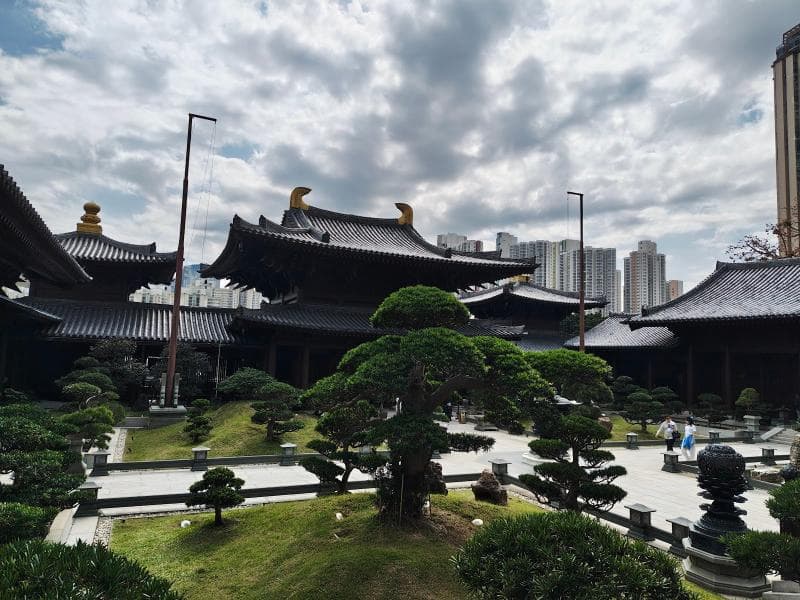
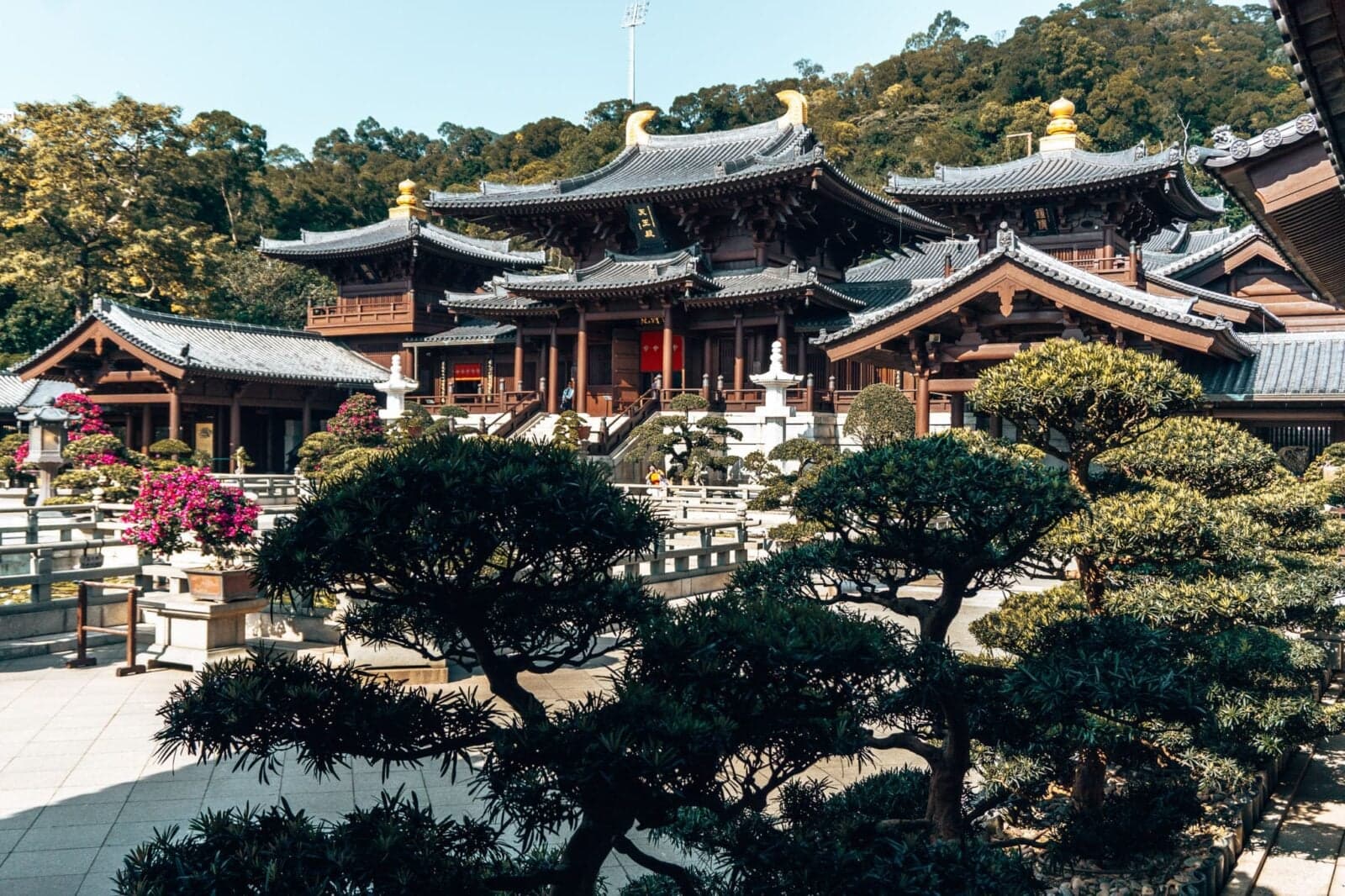
Explore the Main Hall of Chi Lin Nunnery in Hong Kong, China. Discover its unique nail-less Tang Dynasty architecture and serene gilded Buddha statues.
Overview
Nestled amidst the bustling urban landscape of Diamond Hill in Kowloon, Hong Kong, the Main Hall of Chi Lin Nunnery stands as a profound testament to ancient Chinese Buddhist architecture and spiritual tranquility. This magnificent structure is a central component of the larger Chi Lin Nunnery & Nan Lian Garden complex, offering visitors a serene retreat from the city's vibrant energy. The Main Hall, like the entire nunnery, is a stunning example of Tang Dynasty design principles, meticulously recreated without the use of a single nail. It serves as a sacred space, housing revered Buddhist statues and inviting quiet contemplation.
History & Cultural Background
The Chi Lin Nunnery was originally established in 1934 as a peaceful retreat for Buddhist nuns. However, the architectural marvel seen today is largely the result of an extensive redevelopment project undertaken in the 1990s and completed around 1998 to 2000. This ambitious reconstruction painstakingly adhered to the traditional architectural styles of the Tang Dynasty (AD 618-907), drawing inspiration from historical references such as Sukhavati drawings found in the Mogao Caves and the Foguang Temple in Shanxi. The design philosophy behind the nunnery emphasizes a deep harmony between mankind and nature, a principle evident in its construction techniques and the use of natural materials. The complex was carefully planned following ancient Chinese architectural and Feng Shui principles, ensuring its orientation towards the sea and its backdrop against the mountains.
What Makes It Special
The Main Hall distinguishes itself through its extraordinary construction, which showcases traditional Chinese carpentry at its finest. It is part of what is considered the world's largest hand-made wooden building constructed entirely without nails. Instead, the structure relies on an intricate system of interlocking cypress wood components, each precisely carved and fitted together. This complex bracketing system ingeniously distributes the weight of the massive roof, which comprises 28,000 clay tiles weighing an impressive 176 tons, onto twenty-eight sturdy cedar columns. Inside this grand hall, visitors encounter five exquisite gilded Buddhas. At the center sits the revered Sakyamuni Buddha, known as 'the Enlightened One' and the founder of Buddhism. He is flanked by two standing bodhisattvas, Mahakasgapa and Ananda, and two seated bodhisattvas, Manjusri and Samantabhadra, creating a powerful spiritual tableau.
Stories, Fun Facts & Local Details
The Chi Lin Nunnery complex, including the Main Hall, is organized in a traditional 'three entrances and three courtyards' layout. The Main Hall itself marks the furthest point generally accessible to lay visitors, serving as a primary place of worship. Surrounding courtyards feature serene lotus ponds, where the water lilies symbolize purity and enlightenment, often accompanied by dragon-headed water spouts, reflecting traditional Chinese myths. The careful crafting of the nunnery involved traditional craftsmen, some reportedly from Anhui Province in China, who applied ancient techniques passed down through generations. While the nunnery is an active monastic community, home to approximately 60 nuns, it opens its doors to the public, fostering an environment of peace and cultural appreciation. Visitors are encouraged to maintain respectful silence and refrain from photography inside the halls to preserve the sacred atmosphere.
Visitor Perspective
Stepping into the Chi Lin Nunnery and its Main Hall offers a profound shift in atmosphere from Hong Kong's typically fast-paced environment. The tranquil courtyards and the quiet reverence within the Main Hall provide an ideal setting for reflection and spiritual solace. The absence of construction nails and the natural materials create an immersive experience, inviting a deeper appreciation for ancient craftsmanship and Buddhist principles. Many find the experience deeply calming, observing the beautifully manicured gardens and intricate architectural details. Admission to the nunnery and its Main Hall is free, making it an accessible cultural gem. It is conveniently located near the Diamond Hill MTR Station (Exit C2), with clear signs guiding visitors on a short walk to this urban oasis. The best time to visit for a truly peaceful experience is often in the early morning, before the crowds gather.
Coordinates: 114.2052139, 22.340725
View on Google Maps💬 How Travelers Describe This Place
Based on community votes
Interesting
539Beautiful
424Photogenic
251Unique
234Must See
30
Traveler Stories
Discover memorable experiences shared by travelers who have visited this place.
No traveler stories yet.
Be the first traveler to share what made this place memorable.

Tour
By
Spot
Discover amazing places around the world. Your journey starts here.
Explore
© 2026 TourBySpot. All rights reserved.