Main Hall
Yangon, Myanmar
Discover the Main Hall within Karaweik Palace in Yangon, Myanmar. Explore its history, architecture, cultural shows, and dining experience on Kandawgyi Lake.
Overview
Nestled gracefully on the eastern shore of Kandawgyi Lake in Yangon, Myanmar, the Karaweik Palace stands as a prominent and iconic landmark, instantly recognizable for its distinctive silhouette. This magnificent structure, often appearing as a colossal golden barge, houses a vibrant cultural center, restaurant, and event venue. Its design, inspired by traditional royal barges and the mythical Karaweik bird, creates a stunning visual spectacle, particularly when illuminated at night. Karaweik Palace serves as a testament to Myanmar's rich artistic and cultural heritage, offering visitors a unique immersive experience. Within its grand confines, what might be considered the 'Main Hall' encompasses the primary dining and performance areas, where guests gather to enjoy authentic Burmese cuisine and captivating traditional cultural shows.
History & Cultural Background
The genesis of Karaweik Palace dates back to the early 1970s. Its construction, initiated in 1972 and completed in 1974, was inspired by a Burmese pavilion displayed at the 1970 World Exposition in Osaka, Japan. General Ne Win, impressed by the pavilion, commissioned a grand replica in Yangon. The design itself draws heavily from the Pyi Gyi Mon Royal Barge, which was historically used by Burmese kings for ceremonial processions in Mandalay. Designed by the renowned Burmese architect U Ngwe Hlaing, the palace was conceived to float majestically on Kandawgyi Lake. The name 'Karaweik' originates from the Pali word 'karavika,' referring to a mythical bird with a melodious cry, a creature central to Burmese folklore. This rich historical and mythical inspiration underpins every aspect of the palace's architecture and purpose, aiming to preserve and showcase Myanmar's cultural legacy. Initially, the palace housed government offices before its transformation into a public restaurant and cultural performance space.
What Makes It Special
The interior spaces of Karaweik Palace, particularly its main performance and dining areas often referred to as the 'Main Hall' for grand occasions, are designed to transport visitors into a realm of Burmese artistry and luxury. The palace's expansive interior mirrors the spaciousness expected of a grand royal vessel. These halls, including prominent dining rooms like the Ottara and Dekkhina, are adorned with intricate wood carvings, vivid frescoes, and various pieces of national art. The design incorporates the traditional 'Pann Sel Myo,' the ten flower arts and crafts of Myanmar, showcasing the meticulous craftsmanship of Burmese artisans. The Ottara dining room, for instance, is centrally positioned and hosts a special art show every evening, creating a luxurious and immersive experience for diners. The Dekkhina dining area, on the opposite side, offers captivating views of Kandawgyi Lake, adding to the ambiance. These spaces are not merely dining areas but also serve as stages for elaborate cultural performances, featuring traditional Myanmar dances and music, transforming every visit into a live tableau of Burmese heritage.
Stories, Fun Facts & Local Details
The mythical Karaweik bird, from which the palace takes its name, is legendary for its enchanting and melodious song. This creature symbolizes grace and elegance in Burmese folklore, and its imagery is elegantly woven into the palace's architectural narrative. The exterior of the palace features two towering golden bird-like forms, with golden spheres placed in their beaks, and their tails converge to display red and gold colors, often adorned with depictions of Nat spirits. These Nats, or guardian spirits, hold significant importance in local beliefs and add a spiritual dimension to the physical structure. The seven-tiered 'pyatthat' roof is another classic display of traditional Burmese architecture, echoing the royal palace in Mandalay. Inside, visitors might encounter traditional Burmese musical instruments, such as the 'pattala,' a xylophone-like instrument with bamboo slats, enhancing the authentic cultural experience. The palace has a living history, having once provided refuge to monks during the violent scenes of August 1988, invited by the staff for safety.
Visitor Perspective
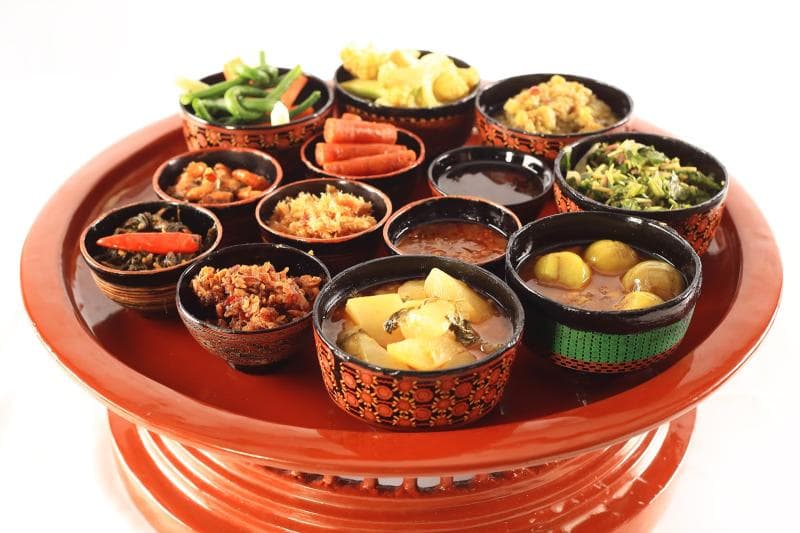
For many travelers, stepping into the 'Main Hall' of Karaweik Palace is an entry point to the heart of Myanmar's cultural identity. The opulent setting, combined with the aroma of diverse cuisines (including Burmese, Chinese, and Western options), sets the stage for an unforgettable evening. Guests can witness a variety of traditional performances, from elegant Oil Lamp dances to lively Elephant dances and intricate puppet shows, all performed by skilled dancers in exquisite ethnic costumes. These performances often portray various historical periods of Myanmar, dating back to the Pyu era. The stunning views of Kandawgyi Lake and the distant, glowing Shwedagon Pagoda, especially at sunset, provide a breathtaking backdrop to the cultural spectacle. It is a place where traditional customs are celebrated, and where the rich narrative of Myanmar is brought to life through art, music, and cuisine, offering a profound appreciation for the nation's heritage.
Coordinates: 96.1657, 16.7986
View on Google Maps💬 How Travelers Describe This Place
Based on community votes
Photogenic
934Beautiful
705Interesting
449Must See
396Unique
256
Traveler Stories
Discover memorable experiences shared by travelers who have visited this place.
No traveler stories yet.
Be the first traveler to share what made this place memorable.

Tour
By
Spot
Discover amazing places around the world. Your journey starts here.
Explore
© 2026 TourBySpot. All rights reserved.