Main Exhibition Halls
Helsinki, Finland
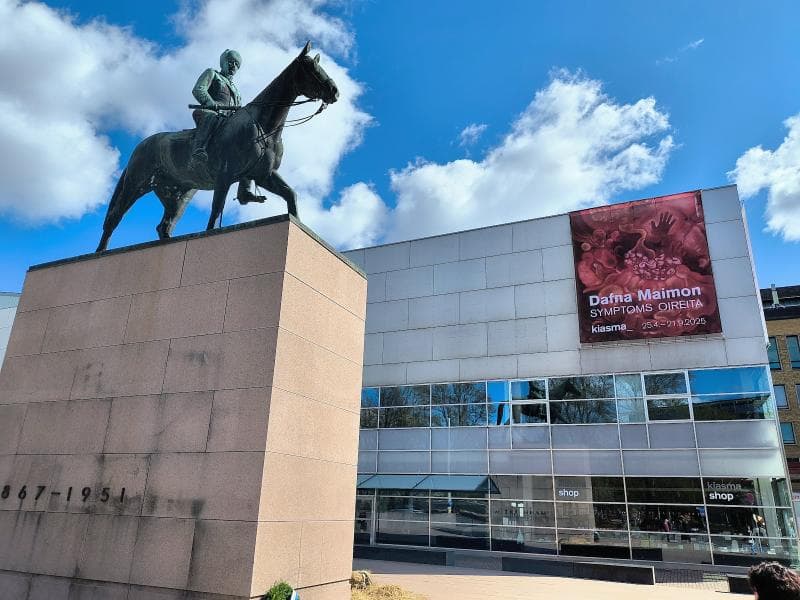
Explore Kiasma Museum's Main Exhibition Halls in Helsinki, Finland. Discover contemporary art within Steven Holl's iconic architecture and fluid gallery spaces.
Overview
The Kiasma Museum of Contemporary Art in Helsinki, Finland, is a striking architectural masterpiece and a dynamic hub for modern artistic expression. Within its walls, the Main Exhibition Halls are not merely rooms but an integral part of the museum's identity, designed to create an immersive experience for contemporary art. American architect Steven Holl imagined Kiasma as an intertwining of urban geometry and natural landscape, a concept reflected in the fluid design of its five floors of gallery spaces. Visitors navigate these spaces via a journey of ramps, stairs, and elevators, encountering a continuously evolving array of exhibitions that highlight both Finnish and international contemporary art.
These exhibition areas are distinct in their presentation, offering a silent yet dramatic backdrop where art takes center stage. The museum's approach to displaying art is ever-changing; Kiasma does not maintain a permanent hang, ensuring that each visit can offer a fresh perspective on contemporary artistic trends from the 1960s to the present day.
History & Cultural Background
The journey of Kiasma began in 1990 with the establishment of the Museum of Contemporary Art, initially housed within the Ateneum Art Museum. The vision to create a dedicated space for contemporary art in Finland led to an international design competition launched in 1992. Out of 516 entries, American architect Steven Holl's proposal, titled 'Chiasma', was selected as the winner in 1993.
Construction commenced in 1996, and the museum officially opened its doors in 1998. Kiasma is a vital component of the Finnish National Gallery, which also includes the Ateneum Art Museum and the Sinebrychoff Art Museum, playing a crucial role in collecting, preserving, and presenting Finland's contemporary art heritage. The name 'Kiasma' itself, derived from the Greek word 'chiasma', signifies a crossing or intertwining, a foundational concept that Steven Holl wove into the very fabric of the building's design, linking it both physically and metaphorically to its surroundings.
What Makes It Special
The Main Exhibition Halls at Kiasma are special due to their innovative architectural design and the deliberate consideration given to the display of contemporary art. Steven Holl's vision ensures that the building's mass intricately intertwines with the geometry of Helsinki's urban fabric and its natural landscape. Each gallery space possesses a unique character, often nearly rectangular with one gracefully curved wall, creating an environment that is silent yet dramatically engaging for the artworks presented.
A defining feature is the masterful use of natural light, which changes throughout the day. Skylights, varied glass surfaces, and subtly curved walls modulate the light within the halls, creating dynamic environments that enhance the viewing experience. The museum eschews a traditional linear path, instead offering a fluid and dynamic journey through its interiors. Ramps, walkways, and stairs guide visitors through a series of compressed spaces and unexpected openings, fostering an almost cinematic exploration of the art. This design philosophy allows for galleries to be regularly rearranged, ensuring that the curated content remains fresh and reflective of current contemporary art dialogues from Finland, the Nordic region, and beyond.
Stories, Fun Facts & Local Details
The very name 'Kiasma' holds a deeper meaning beyond its architectural application; it also refers to the biological concept of a chiasm, like the crossing of nerves or chromatids. This connection is particularly apt in the context of an art museum, subtly inviting visitors to 'look differently' and challenge their perceptions as they engage with the art. Architect Steven Holl meticulously planned these exhibition spaces to accommodate a wide spectrum of contemporary artworks, even those demanding a quiet and contemplative atmosphere to reveal their full intensity.
The building itself is often celebrated as a work of art, a testament to Holl's ability to integrate architecture, the urban landscape, and the distinctive Nordic light into a cohesive spatial system. Its location is culturally significant, forming a dialogue with nearby landmarks like Finlandia Hall and visually extending towards Töölö Bay, creating a profound connection between the museum and the soul of Helsinki.
Visitor Perspective
For the curious traveler, exploring the Main Exhibition Halls of Kiasma is an experience of discovery across five distinct floors. Each level offers fresh encounters with contemporary art, easily navigated by the museum's network of ramps, stairs, and elevators. Visitors are encouraged to immerse themselves in thought-provoking exhibitions and often interactive installations, making the experience both engaging and intellectually stimulating.
The museum's unique spatial design ensures that no two visits feel identical, prompting exploration through constant shifts in perspective and visual connections between different levels. The deliberate quietness of the galleries allows for an intimate engagement with each artwork, facilitating a deeper appreciation. With main exhibitions from the museum's extensive collection changing annually, and temporary exhibitions frequently rotating on the fourth and fifth floors, Kiasma consistently offers something new to explore, making it a continually rewarding destination for art enthusiasts.
Coordinates: 24.936944, 60.171666
View on Google Maps💬 How Travelers Describe This Place
Based on community votes
Must See
726Beautiful
717Photogenic
449Unique
335Interesting
22
Traveler Stories
Discover memorable experiences shared by travelers who have visited this place.
No traveler stories yet.
Be the first traveler to share what made this place memorable.

Tour
By
Spot
Discover amazing places around the world. Your journey starts here.
Explore
© 2026 TourBySpot. All rights reserved.