Main Exhibition Halls
Stockholm, Sweden
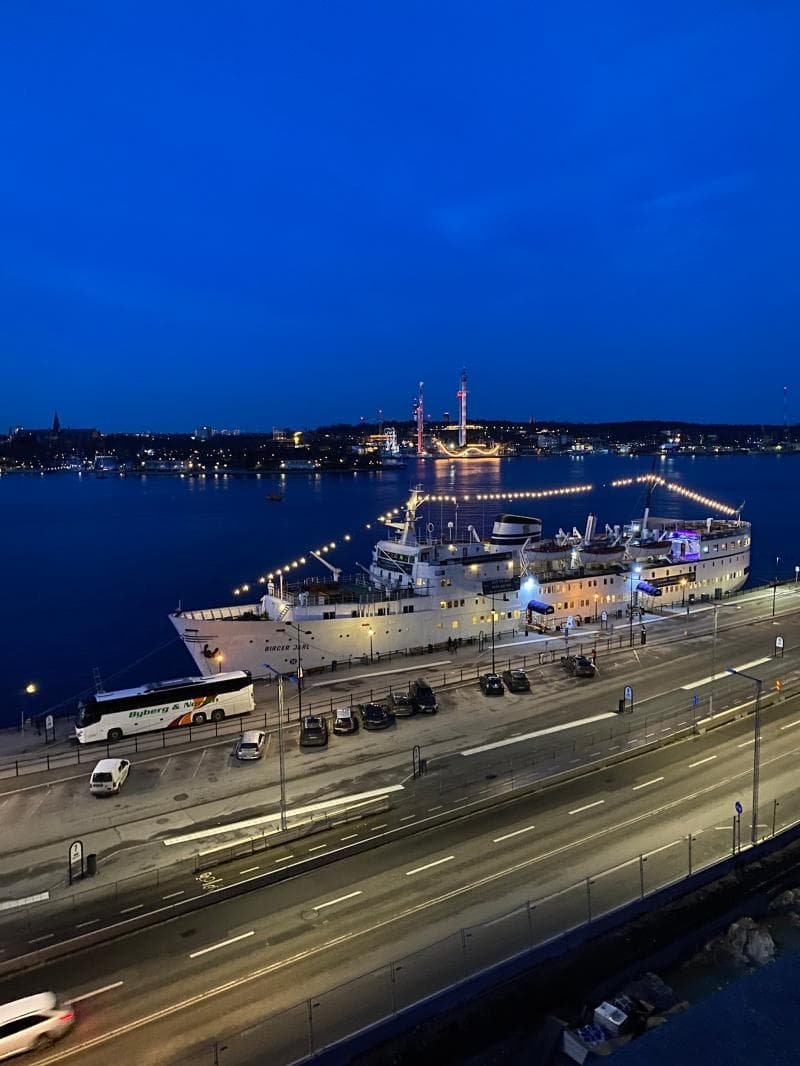
Explore Fotografiska's main exhibition halls in Stockholm, Sweden, for immersive contemporary photography and visual art in a historic Art Nouveau building.
Overview
Nestled along the picturesque waterfront of Södermalm in Stockholm, Sweden, Fotografiska stands as a dynamic international hub for photography and visual art. Since its opening in 2010, it has quickly become a prominent cultural institution, attracting over 500,000 visitors annually. Unlike traditional museums that maintain permanent collections, Fotografiska distinguishes itself through a continually rotating program of temporary exhibitions. Its main exhibition halls are designed to host immersive, large-scale shows, presenting works from both globally recognized and emerging photographers and visual artists.
History & Cultural Background
Fotografiska is housed within a magnificent Art Nouveau-style building that originally served as the Royal Customs House (Kungl. Tullhuset). Constructed in 1906 and designed by the renowned Swedish architect Ferdinand Boberg, the building itself is a landmark of cultural interest. While its striking red-brick exterior has been carefully preserved, the interior underwent a significant transformation to create the expansive exhibition spaces, alongside a shop and a restaurant. The city of Stockholm contributed 250 million SEK towards these restoration efforts, breathing new life into this historical structure. Founded by Swedish entrepreneurs Jan and Per Broman, Fotografiska's establishment marked a new era for photography exhibition in Stockholm, rooted in a mission to inspire new perspectives and foster meaningful conversations through visual art.
What Makes It Special
The essence of Fotografiska's main exhibition halls lies in their constant evolution. Without a permanent collection, every visit offers a fresh encounter with contemporary photography and visual art, making no two experiences alike. Approximately 2,500 square meters of dedicated exhibition space is spread across two floors, within a larger 5,500 square meter building. This generous area allows for the staging of bold and atmospheric presentations, showcasing typically four major exhibitions complemented by numerous smaller ones throughout the year. The interior design of these halls is notable for its soft, dampened tones and subtly changing background colors, intentionally crafted to enhance, rather than overshadow, the artworks on display. Furthermore, Fotografiska operates with unique visitor-centric policies, including extended opening hours until 11 PM daily, and a distinctive approach that allows visitors to enjoy beverages purchased from the museum's bars within the exhibition spaces.
Stories, Fun Facts & Local Details
An intriguing aspect of Fotografiska is its self-definition; it operates as a center for contemporary photography rather than a traditional museum, meaning it does not maintain collections, conduct research, or receive state funding like many public institutions. This independent spirit allows for a dynamic and often experimental curatorial strategy. The grand opening in 2010 featured acclaimed photographers such as Annie Leibovitz, Vee Speers, Joel-Peter Witkin, and Lennart Nilsson, immediately setting a high standard for its artistic offerings. Beyond the visual feast, the top-floor restaurant and café are celebrated for offering some of Stockholm's most breathtaking panoramic views, encompassing Gamla Stan, Kastellholmen, and Djurgården. The restaurant itself is a culinary destination, known for its focus on plant-based, seasonal menus and a commitment to local, sustainable sourcing, even earning Michelin Green Star recognition for some of its concepts. The museum's location in Södermalm, a district known for its creative and bohemian atmosphere, adds another layer of local charm and appeal.
Visitor Perspective
For those planning a visit to Fotografiska's main exhibition halls, it's recommended to allocate at least two hours to fully appreciate the immersive nature of the shows. The museum is entirely cashless, accepting only card payments, a common practice across Stockholm. English is widely spoken, and exhibition materials are generally provided in English, ensuring a comfortable experience for international visitors. Located conveniently near the Slussen metro station, Fotografiska is easily accessible by public transport or a pleasant walk along the waterfront from the city center. The museum is also barrier-free, offering ramps and lifts to accommodate wheelchairs and baby carriages, reflecting its commitment to accessibility for all. A visit to Fotografiska offers not just an artistic journey but also an opportunity to enjoy stunning views and exceptional dining, making it a multifaceted cultural experience in the heart of Stockholm.
Coordinates: 18.08465, 59.317995
View on Google Maps💬 How Travelers Describe This Place
Based on community votes
Unique
921Photogenic
831Must See
357Interesting
232Beautiful
147
Traveler Stories
Discover memorable experiences shared by travelers who have visited this place.
No traveler stories yet.
Be the first traveler to share what made this place memorable.

Tour
By
Spot
Discover amazing places around the world. Your journey starts here.
Explore
© 2026 TourBySpot. All rights reserved.