Main Courtyard
Bali, Indonesia
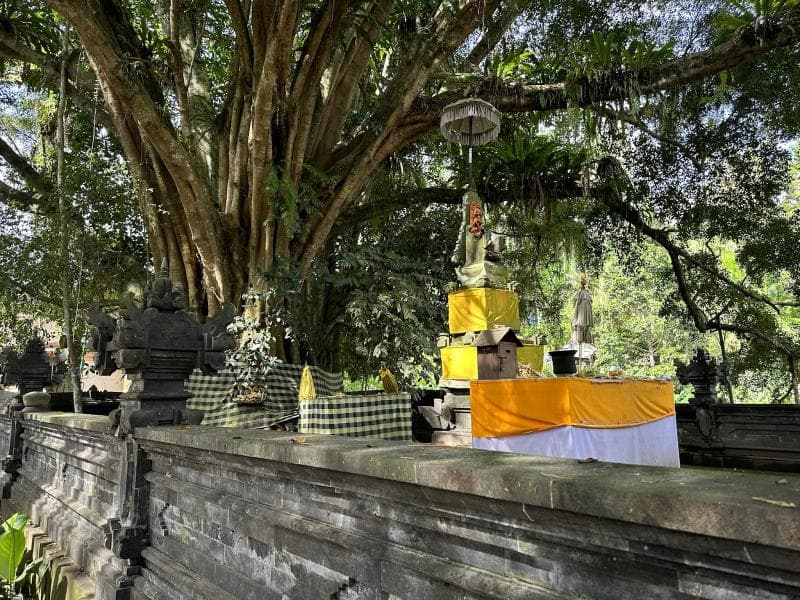
Explore Tirta Empul Temple's sacred Main Courtyard in Bali, Indonesia. Discover ancient purification rituals and rich Balinese Hindu history.
Overview
Stepping into the Main Courtyard of Tirta Empul Temple in Bali, Indonesia, is like entering a living spiritual tapestry. Known locally as the Jaba Tengah, this vibrant area is the heart of the temple complex and a focal point for the sacred purification rituals, or Melukat, that have been performed here for over a thousand years. It is here that the ancient tradition of spiritual cleansing truly comes alive, drawing both Balinese Hindus and curious travelers seeking a deeper connection to Bali's profound heritage. The courtyard is dominated by large, rectangular purification pools fed by the continually flowing holy spring water, which gives the temple its name, 'Tirta Empul,' meaning 'holy water spring.'
The entire Tirta Empul complex is thoughtfully divided into three main zones according to Balinese architectural principles: the Jaba Pura (outer courtyard), the Jaba Tengah (middle or main courtyard), and the Jeroan (inner sanctum). While each section holds unique significance, the Main Courtyard is arguably the most dynamic, bustling with devotees and visitors participating in or observing the sacred bathing rituals.
History & Cultural Background
Tirta Empul Temple's roots trace back to approximately 962 AD, during the reign of the Warmadewa Dynasty, making it one of Bali's oldest and most revered sites. The temple is dedicated to Vishnu, the Hindu god of water, underscoring the vital role of its sacred spring.
The origins of the holy spring are steeped in captivating Balinese mythology, centering on a legendary battle between the benevolent deity Lord Indra and the malevolent king Mayadenawa. According to lore, Mayadenawa poisoned a water source used by Indra's army. To save his ailing troops, Lord Indra valiantly pierced the earth with his staff, creating a miraculous spring of pure water. This divine act not only healed his soldiers but also symbolized the eternal triumph of good over evil. This powerful origin story cements Tirta Empul's profound spiritual importance, associating its waters with healing, balance, and purification.
What Makes It Special
What truly distinguishes Tirta Empul's Main Courtyard is the vibrant, active Melukat ceremony. The courtyard features several purification pools, where water from the holy spring gushes forth through dozens of intricately carved spouts, known as 'pancuran.' Each of these spouts is believed to carry specific blessings and meanings, guiding participants through a traditional sequence of cleansing. Worshippers move from one spout to the next, submerging their heads and bodies under the cool, clear water, performing prayers and seeking spiritual renewal.
Beyond the purification pools, the Jeroan, or inner sanctum, lies as the most sacred part of the temple, often offering a quieter, more contemplative atmosphere. Here, the sacred spring itself bubbles up into a serene, crystal-clear pool, surrounded by traditional Balinese shrines and meru towers, representing the cosmic mountains. This is the ultimate source of the holy water that flows into the Main Courtyard's purification pools, connecting every ritual to the very origin of the temple's spiritual power.
Stories, Fun Facts & Local Details
One fascinating detail often shared by locals is about two specific spouts in the purification pools that are strictly reserved for cleansing the deceased and should never be used by the living during the Melukat ritual. Understanding such nuances highlights the deep respect and knowledge ingrained in Balinese spiritual practices.
Another intriguing aspect is the natural spring within the Jeroan, where the holy water emerges. This source pool is home to green algae and small fish, adding to its natural charm and reinforcing the connection between nature and spirituality. Furthermore, overlooking the temple complex from a nearby hilltop is the Tampaksiring Presidential Palace, a structure built by Indonesia's first president, Sukarno, in 1957. While not open to the public, its presence adds a layer of historical significance and a unique backdrop to the ancient temple.
Visitor Perspective
For visitors, participating in or simply observing the Melukat ceremony in the Main Courtyard offers an unforgettable, immersive cultural experience. It's crucial to approach the ritual with reverence and respect for Balinese traditions. Proper attire, typically a sarong and sash, is required for entry into the temple grounds and for participation in the purification. These are readily available for rent at the entrance. Many find that arriving early in the morning allows for a more peaceful and authentic experience, avoiding the larger crowds that gather later in the day.
Beyond the purification pools, taking time to explore the tranquil inner sanctum provides an opportunity for quiet reflection and appreciation of the temple's architectural beauty and spiritual essence. The entire journey through Tirta Empul, from the bustling Main Courtyard to the serene spring source, offers a profound glimpse into the interconnectedness of Balinese religion, nature, and community.
Coordinates: 115.31603, -8.41494
View on Google Maps💬 How Travelers Describe This Place
Based on community votes
Must See
540Photogenic
252Unique
147Beautiful
114Interesting
19
Traveler Stories
Discover memorable experiences shared by travelers who have visited this place.
No traveler stories yet.
Be the first traveler to share what made this place memorable.

Tour
By
Spot
Discover amazing places around the world. Your journey starts here.
Explore
© 2026 TourBySpot. All rights reserved.