Main Cathedral
Lviv, Ukraine
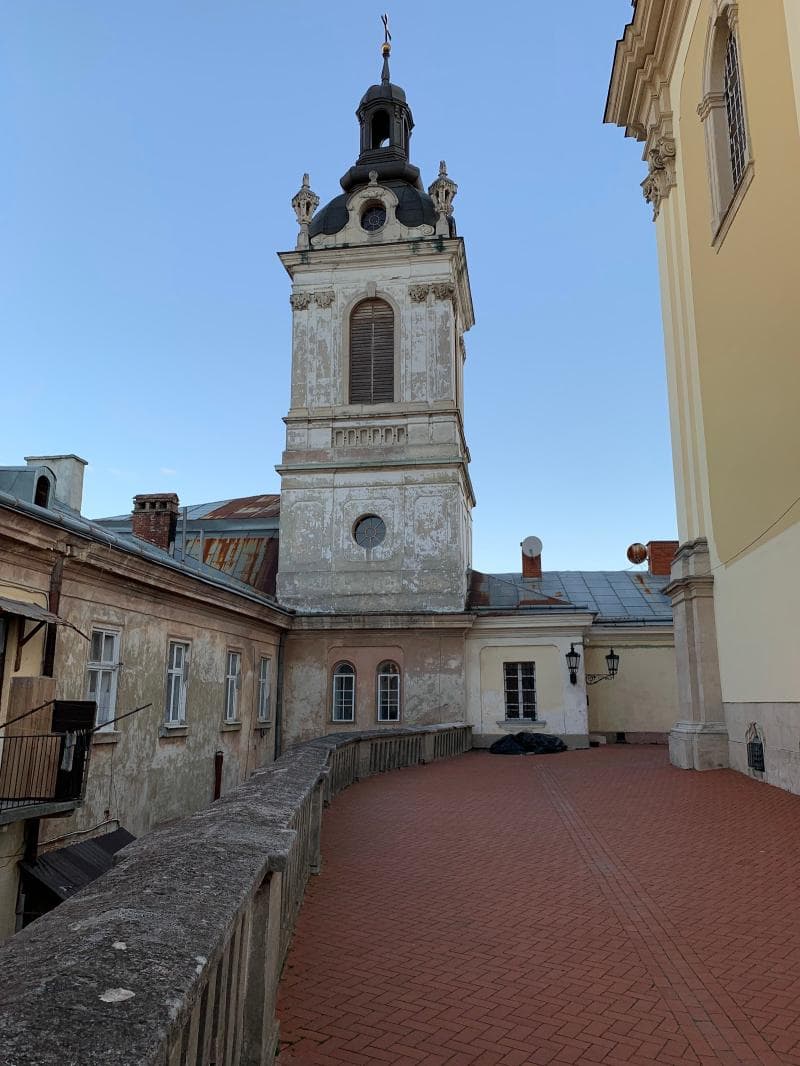
Explore St. George's Cathedral in Lviv, Ukraine – a magnificent Baroque-Rococo masterpiece and spiritual heart of the Ukrainian Greek Catholic Church. Discover its rich history, stunning architecture, and cultural treasures.
Overview
Perched majestically on St. George's Hill, St. George's Cathedral in Lviv, Ukraine, stands as a crowning architectural jewel and a profound spiritual heart for the Ukrainian Greek Catholic Church. Dominating the city's skyline, this magnificent structure is a brilliant example of late Baroque with elegant Rococo elements, captivating all who behold it. As part of Lviv's historic center, the cathedral complex is recognized on the UNESCO World Heritage list, drawing both pilgrims and admirers of history and architecture from across the globe.
More than just a place of worship, it is a significant cultural landmark, embodying centuries of Ukrainian faith and artistry. The cathedral's yellow facade and golden domes are a beacon of its enduring legacy, offering a tranquil sanctuary away from the city's bustle.
History & Cultural Background
The history of St. George's Cathedral stretches back to the 13th century, with the first mentions of a religious building on this sacred hill dating to around 1280. An original wooden church and fortified monastery were erected by Prince Leo Danylovych but were later destroyed in 1340 by Polish King Casimir III.
The current Baroque-Rococo masterpiece, the third church on this site, was constructed between 1744 and 1762. Its construction was initiated by Metropolitan Athanasius Szeptycki, with prominent architect Bernard Meretyn leading the design. After Meretyn's death, Klemens Fesinger continued the work, completing the architectural ensemble by 1770 or 1772.
Throughout the 19th and 20th centuries, St. George's Cathedral served as the mother church of the Ukrainian Greek Catholic Church (UGCC), making it a pivotal spiritual and administrative center. Its history is intertwined with the Union of Brest and endured significant challenges, including persecution during the Soviet era. In 2005, while the seat of the Major Archbishop of the UGCC moved to Kyiv, the cathedral remains the central church of the Ukrainian Catholic Archeparchy of Lviv.
What Makes It Special
The cathedral's exceptional blend of Western influences and Ukrainian church building traditions makes it truly unique. It is a harmonious complex featuring not only the main church but also a majestic bell tower, the Metropolitan Palace, and picturesque terraces with decorative fences and gates.
One of its most captivating features is the stunning sculptural work by the brilliant master Johann Georg Pinzel. His expressive sculptures adorn the facade, including the powerful statue of St. George the Dragon-slayer in the attic and the vigilant figures of Pope St. Leo and St. Athanasius guarding the portal.
Inside, the church houses invaluable relics and art. Among them is the Wonder-working Icon of the Virgin Mary from the 17th century, brought to Lviv in 1674. The cathedral's crypts are also the final resting place for distinguished figures of the Ukrainian Greek Catholic Church, including Metropolitan Andrei Sheptytsky and Major Metropolitan Josyf Slipyj.
Stories, Fun Facts & Local Details
A remarkable artifact within the complex is its ancient bell, housed in the bell tower. Despite the current cathedral's 18th-century construction, this bell bears an inscription dating back to 1341, making it one of Ukraine's oldest, silently witnessing centuries of history and adversity.
The revered Terebovlia Miraculous Icon of the Virgin Mary, known for allegedly shedding tears on two separate occasions in the 17th and 18th centuries, is another cherished treasure. These events were seen as warnings of impending danger, adding a layer of mystical history to the cathedral's narrative.
Visitors approaching the cathedral ascend St. George's Hill, passing through a gate adorned with allegorical figures representing the Roman and Greek Churches, a thoughtful detail reflecting the institution's historical position. This ascent offers ever-expanding views of Lviv, emphasizing the cathedral's commanding presence over the city.
Visitor Perspective
Visiting St. George's Cathedral offers a profoundly moving experience. As one walks up to the complex, the sense of grandeur and history is palpable. The impressive Baroque-Rococo architecture, with its intricate details and powerful sculptures, invites contemplation and awe.
Inside, the atmosphere is one of serene devotion. The interior, adorned with icons and statues against calm white walls, allows for quiet reflection and prayer. Observing the four-tiered iconostasis and the revered Wonder-working Icon of the Virgin Mary can be a deeply spiritual encounter. Many find a peaceful escape here, away from the city's vibrant pace, immersing themselves in the enduring faith and rich cultural heritage that permeates every corner of this sacred space.
Coordinates: 24.0145, 49.8398
View on Google Maps💬 How Travelers Describe This Place
Based on community votes
Beautiful
585Unique
546Photogenic
503Interesting
92Must See
56
Traveler Stories
Discover memorable experiences shared by travelers who have visited this place.
No traveler stories yet.
Be the first traveler to share what made this place memorable.

Tour
By
Spot
Discover amazing places around the world. Your journey starts here.
Explore
© 2026 TourBySpot. All rights reserved.