Maid Cafés
Tokyo, Japan
Discover Akihabara's unique Maid Cafés in Tokyo, Japan. Learn about their history, cultural significance, and what to expect as a visitor in this vibrant subculture.
Overview
Stepping into a Maid Café in Akihabara, Tokyo, is like entering a vibrant, fantastical world unlike any other dining experience. These unique establishments are a subcategory of 'cosplay restaurants' where waitresses, clad in elaborate maid costumes, treat customers as if they were returning to their private mansion. Guests are affectionately addressed as 'Master' or 'Princess', immediately immersing them in a playful role-play scenario. More than just a place to eat and drink, Maid Cafés offer an interactive, theme park-like experience, blending warm hospitality with elements drawn from anime, manga, and gaming culture. They have evolved into a significant attraction in Akihabara, known globally for its 'otaku' (enthusiast) culture, providing a distinctive glimpse into Japan's pop subculture.
History & Cultural Background
The origins of the modern Maid Café are deeply intertwined with Akihabara's transformation into a hub for Japanese otaku culture. While some trace elements of themed hospitality back to Edo period teahouses with tea-serving beauties, the first permanent Maid Café, Cure Maid Cafe, opened its doors in Akihabara in March 2001. This pioneering establishment set the stage for a phenomenon that quickly gained traction. Akihabara, a district already famed for its electronics and burgeoning anime and manga scene, provided the perfect breeding ground for these themed cafes. Enthusiasts sought live experiences that brought their favorite characters to life, and Maid Cafés tapped into this desire, offering an escape from everyday reality. Initially catering primarily to male otaku, the increasing media attention and popularity have seen Maid Cafés evolve into mainstream tourist attractions, drawing a diverse clientele that now includes couples, female visitors, and international travelers.
What Makes It Special
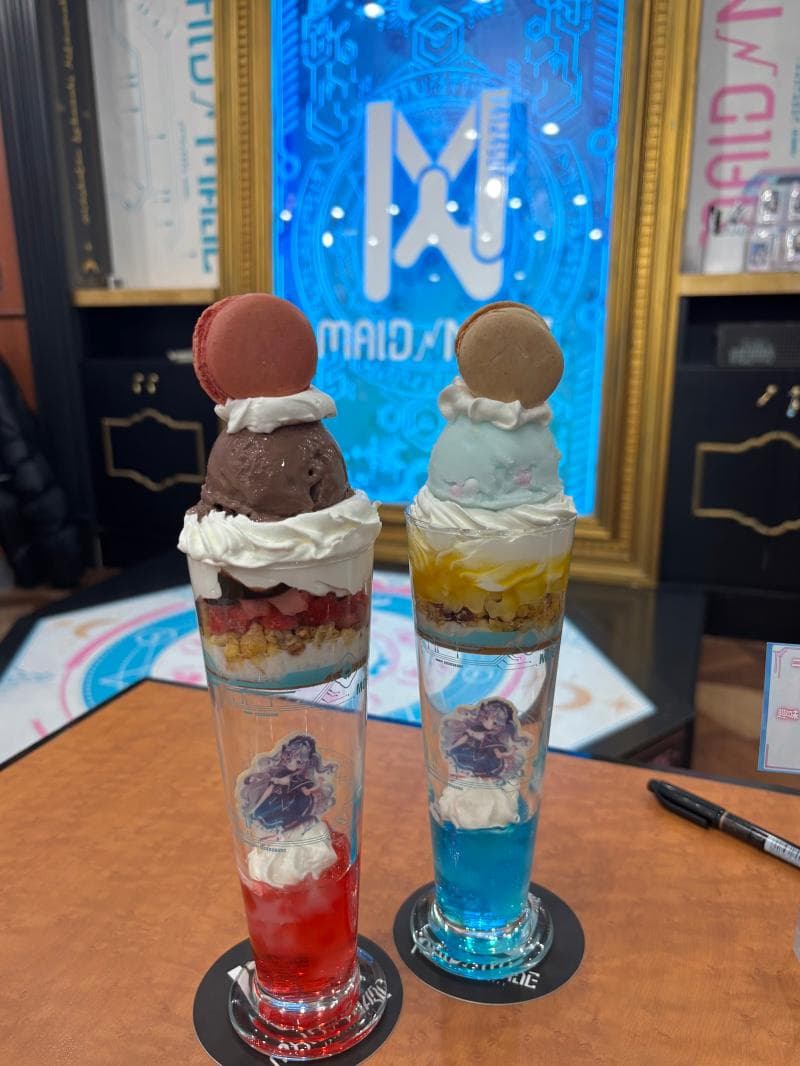
The allure of Maid Cafés lies in their unique blend of service and theatricality. Maids, often dressed in cute, frilly uniforms, greet guests with enthusiastic phrases like 'Okaerinasaimase, Goshujinsama!' ('Welcome home, Master!') or 'Ojousama!' ('Princess!'). A key interactive element is the 'spell-casting' ritual, where maids lead customers in charming chants, such as the famous 'moe moe kyun!', to 'enhance' the flavor of their food and drinks. This playful interaction is designed to make the meal magically delicious and is often a highlight for visitors. Menus typically feature standard café fare, but with a whimsical twist; food items like omurice (omelet rice) are often adorned with cute designs or characters drawn in ketchup by the maids themselves. Beyond dining, many establishments offer additional entertainment, including live singing and dancing performances, games, and opportunities for souvenir photos (known as 'cheki') with a maid of your choice. The entire experience is curated to create an atmosphere of warmth, fun, and lighthearted escapism, making each visit feel like a special event.
Stories, Fun Facts & Local Details
Akihabara is widely regarded as the 'spiritual home' of Maid Cafés, a place where the culture continues to thrive and innovate. One of the most iconic phrases, 'moe moe kyun!', which has become synonymous with Maid Cafés, is famously said to have originated at at-home cafe, a prominent establishment in Akihabara. To better accommodate the growing number of international visitors, many popular Maid Cafés, including at-home cafe, now provide specialized English lessons for their maids. This effort helps bridge language barriers and ensures a welcoming experience for tourists from around the world. The costumes worn by maids are often meticulously designed, sometimes by renowned Japanese designers, adding to the visual appeal and theme of each café. The district hosts a diverse array of Maid Cafés, from larger, well-known chains to smaller, niche establishments, each offering its unique take on the concept. This variety allows for different atmospheres, from lively and energetic to more relaxed and traditional, ensuring there is a Maid Café experience for every curious traveler.
Visitor Perspective
For a curious traveler, understanding the etiquette is key to fully enjoying a Maid Café. While designed for fun, these establishments operate under specific rules to ensure a respectful environment for both guests and staff. Crucially, physical contact with maids is strictly prohibited. Unauthorized photography or videography of maids is also not allowed; however, many cafes offer official paid photo opportunities. Guests are expected to avoid asking for personal information about the maids or attempting to contact them outside the café. Pricing typically includes a cover charge or time-based fee, along with the cost of food and drinks. A basic visit might cost around 1,500 JPY, but it can increase with additional orders, souvenirs, or interactive experiences. Despite some lingering misconceptions, reputable Maid Cafés are generally wholesome, family-friendly environments, welcoming to solo travelers, couples, and families alike. They are focused on innocent role-play, playful interaction, and a unique cultural experience, rather than anything adult-oriented. Approaching the visit with curiosity and respect for the established guidelines will ensure an enjoyable and memorable adventure into Akihabara's distinctive Maid Café culture.
Coordinates: 139.773, 35.698
View on Google Maps💬 How Travelers Describe This Place
Based on community votes
Interesting
748Unique
499Photogenic
427Must See
337Beautiful
94
Traveler Stories
Discover memorable experiences shared by travelers who have visited this place.
No traveler stories yet.
Be the first traveler to share what made this place memorable.

Tour
By
Spot
Discover amazing places around the world. Your journey starts here.
Explore
© 2026 TourBySpot. All rights reserved.