Lyon Museum Of Fine Arts
Lyon, France
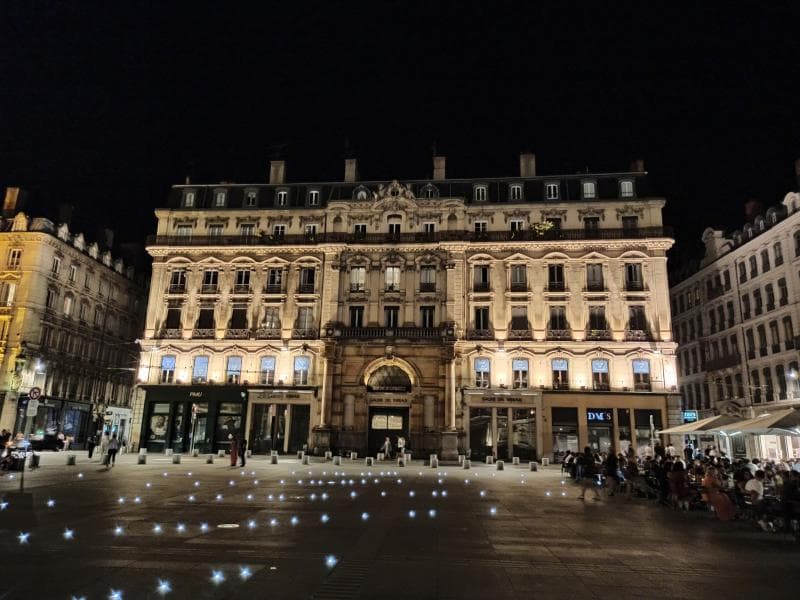
Explore the Lyon Museum of Fine Arts, a 'little Louvre' on Place des Terreaux in Lyon, France, housing vast collections from antiquity to modern art.
Overview
Nestled in the vibrant heart of Lyon, France, on the iconic Place des Terreaux, stands the Lyon Museum of Fine Arts (Musée des Beaux-Arts de Lyon). Often affectionately referred to as the 'little Louvre', it proudly ranks as France's second-largest fine arts museum, a cultural jewel outside of Paris. Housed within the majestic confines of a former 17th-century Benedictine abbey, also known as the Palais Saint-Pierre, this museum spans an impressive 7,000 square meters across 70 rooms. Its encyclopedic collections offer a sweeping journey through 5,000 years of artistic creation, from the ancient civilizations of Egypt to the masterpieces of modern art. More than just a repository of art, the museum's historic setting, with its grand architecture and tranquil cloister garden, provides a uniquely immersive experience for every visitor.
History & Cultural Background
The site's rich history dates back to a monastery founded around the 6th century, which was entirely rebuilt in the 17th century. This grand edifice served as a Royal Abbey, home to aristocratic nuns for approximately a century before the tumult of the French Revolution. Fortuitously, its close proximity to the Lyon City Hall spared it from the destruction or sale that befell many other religious institutions during this turbulent period. Recognizing its potential, the Municipal Council designated the building in 1792 as a place to conserve paintings, medals, bronzes, and other artistic treasures. The museum was officially founded in 1801 by the Chaptal decree and opened its doors to the public in 1803, with an initial collection significantly bolstered by 110 paintings sent from the Louvre. The 19th century marked a 'golden age' for the institution, particularly from 1875 to 1900, characterized by significant architectural works and an ambitious acquisition policy. Later, in the interwar period, its collections expanded to include Far-Eastern art and modern decorative arts. Major renovations between 1988 and 1998 modernized the museum while carefully preserving its historical essence, remaining open to visitors throughout this period.
What Makes It Special
The Lyon Museum of Fine Arts distinguishes itself not only through its extraordinary collections but also by its stunning architectural setting. The museum's location within a former Benedictine abbey, complete with a beautiful cloister now transformed into a serene sculpture garden, offers a peaceful retreat amidst the urban bustle. Its holdings are remarkably vast and diverse, encompassing approximately 8,000 ancient artifacts, 3,000 paintings, 1,000 sculptures, and a staggering 50,000 coins and medals, making its numismatic collection the second largest in France. Highlights include an impressive array of Egyptian antiquities, such as sarcophaguses and the monumental gates of Ptolemy III and IV, alongside a rare Greek Kore statue. The painting galleries boast works by European masters like Veronese, Rubens, Rembrandt, Poussin, Géricault, Delacroix, Monet, Gauguin, Matisse, and Picasso. Sculptures by renowned artists such as Rodin and Bourdelle are showcased both within the museum and in its tranquil garden. Widely regarded as the finest encyclopedic art museum in France outside of Paris, its particularly strong 17th-century Italian painting collection and notable representation of the Lyon School of painting further solidify its unique standing.
Stories, Fun Facts & Local Details
Beyond its grand facade, the museum holds many fascinating stories and local connections. Its nickname, 'the little Louvre', speaks to its prestige and the breadth of its collections. Visitors can observe remnants of its monastic past, such as pink marble columns from the nuns' private chapel, which now beautifully frame the Greek vase collection. The cloister garden, once a private sanctuary for the nuns, featured a central pond and orange trees, elements of which still contribute to its charm today. A pivotal 'fun fact' in its history is that the museum's very existence during the French Revolution was safeguarded by its advantageous location next to the city hall. Interestingly, the museum's initial establishment also served a practical purpose: to provide artistic models and inspiration for Lyon's then-struggling silk industry. Its renowned numismatic department, housing France's second-largest medal collection, features historical treasures like a Vercingétorix gold coin. Part of this impressive collection, the 'Terreaux Treasure', was unearthed right underneath the museum during the construction of an underground car park in 1993. For those seeking a moment of peace, the sculpture garden is freely accessible from Place des Terreaux, even without a museum ticket. The museum also offers innovative ways to engage with its art, including a unique 'dancing audioguide' for an imaginative exploration of its masterpieces.
Visitor Perspective
For any curious traveler, the Lyon Museum of Fine Arts offers an enriching and serene experience. Strategically located at 20 Place des Terreaux, 69001 Lyon, it is easily accessible in the city center. The museum typically operates from Wednesday to Monday, opening at 10 am and closing at 6 pm, with a slightly later opening on Fridays at 10:30 am, and is closed on Tuesdays. Visitors can enjoy free admission by utilizing the Lyon City Card. Beyond its permanent displays, the museum frequently hosts temporary exhibitions, guided tours, and various cultural activities, catering to a wide range of interests. The museum's cloister garden, a verdant oasis, provides an ideal spot for relaxation and reflection, offering a tranquil escape from the urban environment. Compared to the bustling major museums in Paris, the Lyon Museum of Fine Arts often provides a more intimate and less crowded setting, allowing visitors to engage with the art at a more leisurely pace and create lasting memories.
Coordinates: 4.83375, 45.76702
View on Google Maps💬 How Travelers Describe This Place
Based on community votes
Unique
998Photogenic
903Interesting
481Must See
472Beautiful
92
Traveler Stories
Discover memorable experiences shared by travelers who have visited this place.
No traveler stories yet.
Be the first traveler to share what made this place memorable.

Tour
By
Spot
Discover amazing places around the world. Your journey starts here.
Explore
© 2026 TourBySpot. All rights reserved.