Ly Thai To Garden
Hanoi, Vietnam
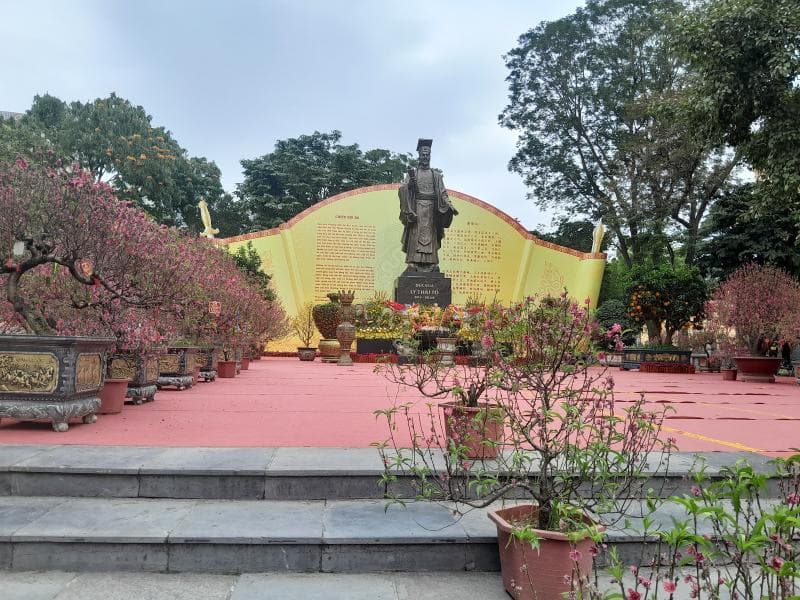
Discover Ly Thai To Garden in Hanoi, Vietnam, a historic oasis by Hoan Kiem Lake, featuring the iconic statue of King Ly Thai To. Explore its rich past and cultural significance.
Overview
Ly Thai To Garden, nestled on the eastern side of Hoan Kiem Lake in Hanoi, Vietnam, serves as a serene green oasis and a vibrant cultural heart within the bustling city. It is a significant public space that beautifully blends historical reverence with everyday local life. This expansive garden is famously home to the grand bronze statue of King Ly Thai To, the visionary founder of Hanoi. Visitors can freely explore its grounds at any time of day, making it an accessible and welcoming spot for both quiet contemplation and lively community gatherings.
History & Cultural Background
The land where Ly Thai To Garden now stands has a rich and layered past. Initially, it was the site of an ancient pagoda known as Pho Giac pagoda. In 1883, during the French colonial period, the pagoda was relocated, and the area was transformed into a public garden. It was first named Paul Bert Flower Garden in 1886, honoring a French official. Following the Japanese coup d'état against the French in 1945, Hanoi's Mayor Tran Van Lai changed many French names to Vietnamese, and the garden was renamed Chi Linh. Later, in 1984, it briefly bore the name Indira Gandhi Park, commemorating the late Indian Prime Minister.
Its current and most enduring name, Ly Thai To Garden, was adopted in 2004 when a monumental statue of King Ly Thai To was erected within its confines. King Ly Thai To (974–1028) is a pivotal figure in Vietnamese history, renowned for transferring the capital of Dai Co Viet from Hoa Lu to Dai La (modern-day Hanoi) in 1010. This momentous decision marked the birth of Thang Long, the 'Ascending Dragon', and established the Ly Dynasty.
What Makes It Special
The centerpiece and defining feature of Ly Thai To Garden is undoubtedly the magnificent bronze statue of King Ly Thai To. This impressive monument stands at a symbolic 10.10 meters tall, a deliberate reference to the year 1010, when the king made the historic decision to move the capital to Thang Long. The statue depicts the esteemed monarch holding the 'Edict of Moving the Capital' in his right hand, while his left hand gestures downward, pointing to the very spot where the Thang Long Citadel was founded. This statue is celebrated as Vietnam's largest solid bronze sculpture and is a profound symbol of Hanoi's thousand-year identity and the nation's independence.
Beyond its grand statue, the garden itself is special for its role as a living museum, reflecting the architectural evolution and resilience of Hanoi. It incorporates elements like the intact octagonal house, a structure dating back to the French colonial era, which is seen as a wise preservation of heritage.
Stories, Fun Facts & Local Details
One of the most enduring stories associated with King Ly Thai To and the founding of Thang Long concerns a golden dragon. Legend has it that as the king's royal procession arrived at the new capital site, a golden dragon was seen ascending from the Red River into the sky. King Ly Thai To interpreted this as an incredibly auspicious sign, leading him to rename Dai La to Thang Long, meaning 'Ascending Dragon'. This mythical event solidified the city's destiny and its connection to powerful symbolism.
Today, Ly Thai To Garden is a dynamic public space where the spirit of Hanoi thrives. It's common to see locals practicing tai chi or aerobics in the mornings, children playing in the afternoons, and families enjoying leisurely strolls. The statue of King Ly Thai To is frequently venerated with offerings of flowers and incense by the local people, demonstrating their deep respect for his legacy. The garden also serves as a popular venue for cultural events and festivals, especially during significant national celebrations, attracting both residents and visitors.
Visitor Perspective
For any traveler to Hanoi, Ly Thai To Garden offers a rich blend of history, culture, and local charm. It's a place where you can truly feel the pulse of the city and connect with its storied past. The garden is open 24/7, and admission is free, providing ample opportunity to visit. Many recommend visiting in the early morning hours for a tranquil experience, observing locals engaging in their daily routines. Alternatively, the evenings offer a lively atmosphere, often filled with music, dance, and communal activities, especially on weekends. It's an ideal spot for a relaxing stroll, quiet reflection, capturing beautiful photographs, or simply observing daily life in the heart of Vietnam's capital.
Coordinates: 105.85241, 21.028711
View on Google Maps💬 How Travelers Describe This Place
Based on community votes
Interesting
921Must See
617Beautiful
357Photogenic
232Unique
147
Traveler Stories
Discover memorable experiences shared by travelers who have visited this place.
No traveler stories yet.
Be the first traveler to share what made this place memorable.

Tour
By
Spot
Discover amazing places around the world. Your journey starts here.
Explore
© 2026 TourBySpot. All rights reserved.