Luža Square
Dubrovnik, Croatia
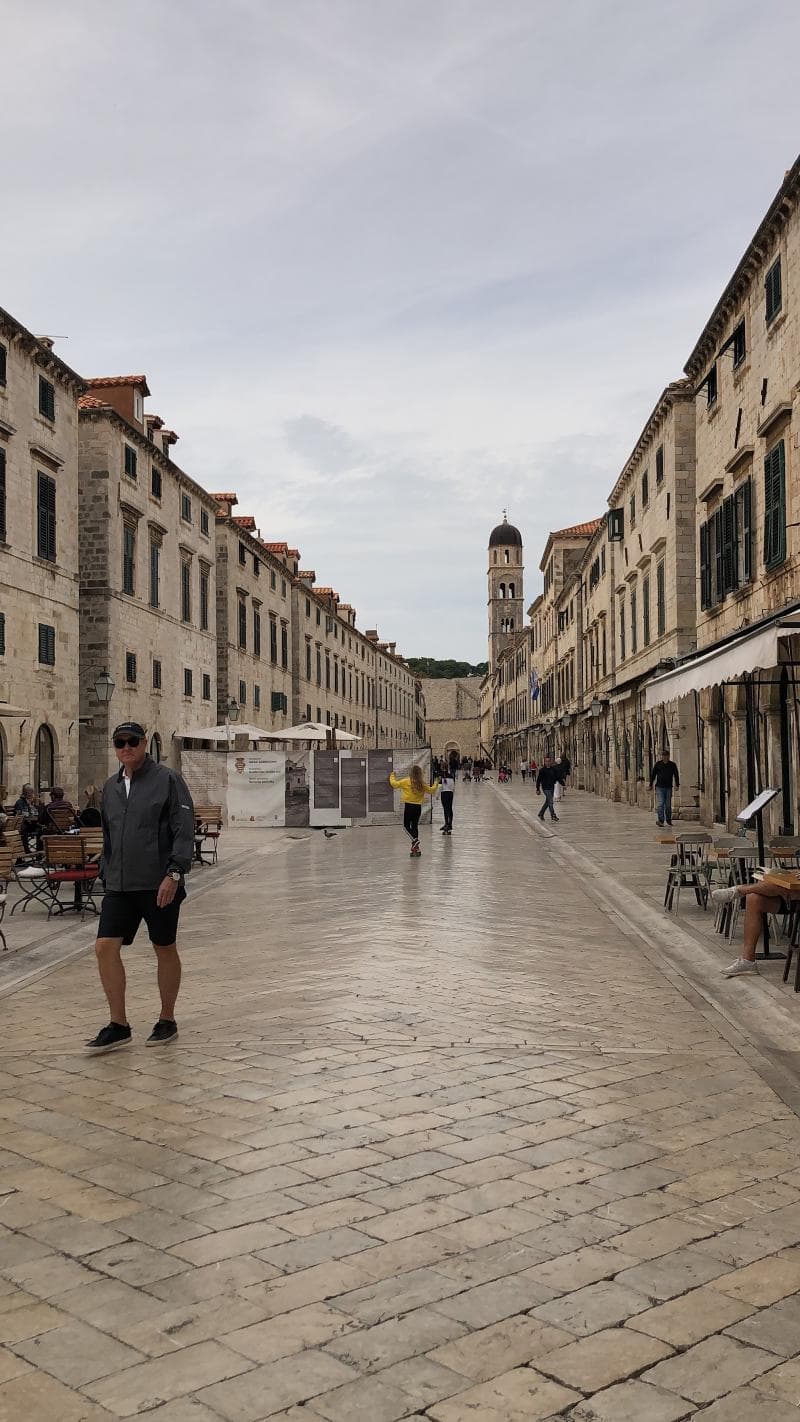
Discover Luža Square, the historic heart of Dubrovnik Old Town, Croatia. Explore iconic landmarks like Orlando's Column and the Bell Tower.
Overview
Nestled at the eastern end of the iconic Stradun, Luža Square stands as the vibrant heart of Dubrovnik's Old Town, a place where centuries of history converge with the city's bustling contemporary life. This compact yet immensely significant square serves as a timeless meeting point, a crossroads of culture, commerce, and daily activity. Surrounded by some of Dubrovnik's most emblematic structures, Luža Square offers a profound glimpse into the soul of this ancient maritime republic.
Visitors to Luža Square are immediately enveloped by its lively atmosphere, bustling with locals and travelers alike. It is more than just a thoroughfare; it is a living stage where the city's past and present intertwine, inviting curious travelers to pause, explore, and soak in the rich tapestry of Dubrovnik's heritage. From its historical monuments to its charming cafes, the square encapsulates the enduring spirit of the Pearl of the Adriatic.
History & Cultural Background
For centuries, Luža Square has been an indispensable nucleus of public life in Dubrovnik, then known as the Republic of Ragusa. Dating back to the Middle Ages, this square was the primary venue for significant civic functions. Public announcements were made here, legal decrees were proclaimed, and it even witnessed judicial sentences and occasional executions, underscoring its central role in the city's governance and social order.
Among its most defining features is Orlando's Column, a stone monument erected in 1418. This statue, depicting a medieval knight, symbolizes the city's independence and enduring freedom. The square is also overlooked by the magnificent Church of St. Blaise, dedicated to Dubrovnik's revered patron saint, dating back to the early 18th century after an earlier Romanesque church was destroyed. The majestic Dubrovnik Bell Tower, originally built in 1444, also anchors the square, its chimes marking the passage of time for generations of citizens.
The square's architecture reflects a layered history, with structures like the Gothic-Renaissance Sponza Palace, which historically served as a customs house and mint, adding to its historical grandeur. Despite facing devastation, notably from the powerful earthquake of 1667 which damaged many of Dubrovnik's buildings including the Bell Tower, the square and its surrounding edifices were meticulously rebuilt and restored, preserving their historical integrity and significance.
What Makes It Special
What truly sets Luža Square apart is its remarkable concentration of historical landmarks within such a contained space. It is a harmonious architectural ensemble where Gothic, Renaissance, and Baroque styles blend seamlessly, each building telling a part of Dubrovnik's grand narrative. This vibrant space is a testament to the city's resilience and its commitment to preserving its rich cultural heritage.
The square's symbolic importance cannot be overstated; Orlando's Column, in particular, has long been a beacon of Dubrovnik's cherished liberty. Beyond its static monuments, Luža Square continues to be a dynamic cultural hub. It serves as the ceremonial heart for major annual events, including the opening of the internationally acclaimed Dubrovnik Summer Festival in July, and the celebratory conclusion of the Festivity of Saint Blaise in February. These events transform the square into a lively spectacle, filled with music, performances, and processions, maintaining its centuries-old tradition as a central gathering place.
Stories, Fun Facts & Local Details
- Orlando's Column and the 'Lakat': The statue of Orlando in Luža Square is more than just a monument to a legendary knight who, according to local lore, defended Dubrovnik from invaders. Its right forearm held a secret of commerce: its length, 51.25 centimeters, served as the official standard unit of measurement known as the 'lakat' (cubit) during the Republic of Ragusa. Merchants would use this precise measure for fabrics and other goods, highlighting the column's practical role in the city's bustling trade.
- The Bell Tower's Green Men: High atop the Dubrovnik Bell Tower, visitors can spot two bronze figures known as Maro and Baro, or more affectionately as the 'Zelenci' (Green Men). These mechanical figures have the important job of striking the bell on the hour, a tradition that has echoed through the Old Town for centuries. While the current 'Zelenci' are replicas installed during the tower's 1929 reconstruction, the original figures, darkened by age and famous for their green patina, are carefully preserved in the Cultural History Museum within the Rector's Palace, nearby. The historic bell itself was cast by Ivan Rabljanin in 1506.
- Small Onofrio's Fountain: Often overshadowed by its larger counterpart at the western end of the Stradun, the Small Onofrio's Fountain on Luža Square played a crucial role in Dubrovnik's medieval water supply system, providing fresh water to the eastern part of the city.
- Sponza Palace: This elegant palace, an exquisite example of Gothic-Renaissance architecture, has worn many hats over the centuries. It housed the customs office, the state mint, and even the city's treasury. Today, it serves as the State Archives, preserving invaluable historical documents of the Republic of Ragusa.
Visitor Perspective
For the modern traveler, Luža Square offers an immersive experience, a chance to step into Dubrovnik's storied past while observing its lively present. It is an ideal spot for people-watching, perhaps over a 'bijela kava' (white coffee) at one of the surrounding cafes. The intricate details of the Sponza Palace facade, the heroic stance of Orlando, and the majestic Bell Tower invite contemplation and appreciation.
As you wander through the square, you can feel the echoes of history – imagining medieval merchants, solemn public proclamations, and the joyous celebrations that have unfolded here. The square's central location makes it a natural starting point or a delightful interlude during an exploration of Dubrovnik's Old Town, with the Stradun extending westward and paths leading to the Old Port eastward. It is a place that truly captures the spirit and resilience of Dubrovnik, leaving visitors with a deeper understanding of this magnificent city.
Coordinates: 18.1104, 42.6409
View on Google Maps💬 How Travelers Describe This Place
Based on community votes
Must See
710Unique
102Interesting
102Photogenic
95Beautiful
87
Traveler Stories
Discover memorable experiences shared by travelers who have visited this place.
No traveler stories yet.
Be the first traveler to share what made this place memorable.

Tour
By
Spot
Discover amazing places around the world. Your journey starts here.
Explore
© 2026 TourBySpot. All rights reserved.