Luxury boutiques
Milan, Italy
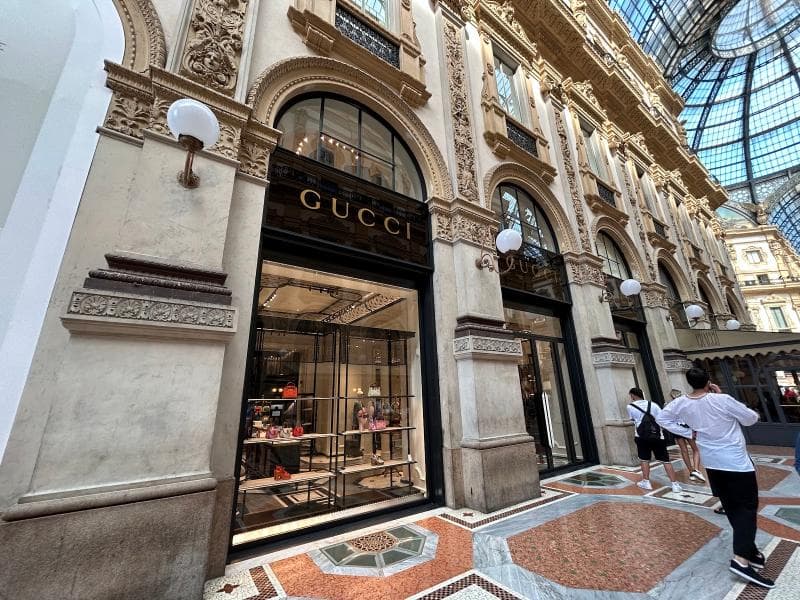
Explore luxury boutiques in Milan's historic Galleria Vittorio Emanuele II. Discover high fashion, stunning architecture, and cultural heritage.
Overview
Nestled in the heart of Milan, Italy, the luxury boutiques within the Galleria Vittorio Emanuele II offer more than just a shopping experience; they represent a journey through history, architecture, and high fashion. Often affectionately dubbed 'il salotto di Milano' – Milan's drawing room – this grand arcade serves as a vibrant meeting place, seamlessly connecting two of the city's most iconic landmarks: the Duomo and the Teatro alla Scala. It is Italy's oldest active shopping arcade, a testament to enduring elegance and commercial innovation.
Visitors to the Galleria are immediately enveloped in an atmosphere of refined luxury and historical grandeur. Here, the world's leading fashion brands reside beneath a soaring glass roof, inviting both fervent shoppers and curious sightseers to admire their exquisite offerings. The boutiques are not merely retail spaces; they are integral parts of a cultural monument that has shaped Milan's identity as a global fashion capital.
History & Cultural Background
The Galleria Vittorio Emanuele II was conceived during a pivotal moment in Italian history, shortly after the unification of Italy. Designed in 1861 by architect Giuseppe Mengoni and constructed between 1865 and 1877, it was named after Victor Emmanuel II, the first King of the unified Kingdom of Italy. The project was not merely an architectural feat but also a patriotic endeavor, intended to symbolize national unity and progress by creating a monumental link between the sacred (Piazza del Duomo) and the cultural (Piazza della Scala).
Mengoni's design, selected from numerous submissions, was groundbreaking, making the Galleria one of the earliest and most magnificent examples of iron-and-glass construction in Europe. Sadly, Mengoni never witnessed the Galleria's official completion; he tragically died after a fall from its central dome just before its inauguration. Despite this somber note, the Galleria quickly became a beloved hub for Milanese society, establishing itself as a focal point for commerce, culture, and social interaction.
What Makes It Special
What truly sets the luxury boutiques of the Galleria Vittorio Emanuele II apart is their setting within an architectural marvel that anticipated the modern shopping mall. The elegant design features a four-story double arcade, crowned by an impressive glass-vaulted roof and a central octagonal glass dome that rises 47 meters above the ground. This innovative structure allows natural light to flood the interior, creating a bright and airy promenade that feels both monumental and welcoming.
The interior is adorned with intricate mosaics and beautiful frescoes, reflecting the Neo-Renaissance style and celebrating Italian artistry. The floor itself is a work of art, featuring mosaic patterns that include the coats of arms of important Italian cities like Milan, Turin, Florence, and Rome. Within this breathtaking environment, you find flagship stores of renowned luxury brands such as Prada, Gucci, Louis Vuitton, Fendi, and Versace. Having a presence in the Galleria is a mark of prestige, making it a premier destination for high-end fashion and exquisite craftsmanship.
Stories, Fun Facts & Local Details
The Galleria is steeped in fascinating traditions and local lore. One of the most famous involves the mosaic of a bull located on the floor of the central octagon, representing Turin. Legend has it that spinning three times on the bull's reproductive organs with your right heel brings good luck. This quirky custom is so popular that the mosaic often needs restoration due to wear.
Beyond its luxurious shops, the Galleria has long been known as 'Milan's drawing room' (il salotto di Milano), a place where the city's elite and general public have gathered for centuries to socialize, enjoy coffee, and conduct business. Historic cafes and restaurants, such as Biffi Caffè (founded in 1867) and Camparino, have been serving patrons here since the 19th century, offering a glimpse into Milan's rich social history. The Galleria also houses the oldest bookshop in Italy, Libreria Bocca, further adding to its unique blend of commerce and culture.
Visitor Perspective
For the curious traveler, visiting the luxury boutiques of the Galleria Vittorio Emanuele II is an immersive experience that goes beyond mere shopping. It is an opportunity to stroll through a living museum of architectural grandeur and historical significance. Even if purchasing high fashion is not on your agenda, window shopping here becomes an art form in itself, allowing you to admire exquisite designs and Italian craftsmanship in an unparalleled setting.
The atmosphere is vibrant, with the gentle murmur of conversation blending with the soft echoes of footsteps on marble. Whether you pause for an espresso at a historic cafe, marvel at the intricate mosaics underfoot, or simply look up at the stunning glass dome, the Galleria offers a unique blend of past and present. It is a place where Milan's rich heritage in art, fashion, and social life converges, providing an unforgettable insight into the city's soul.
Coordinates: 9.19, 45.46556
View on Google Maps💬 How Travelers Describe This Place
Based on community votes
Interesting
838Unique
685Beautiful
539Photogenic
421Must See
369
Traveler Stories
Discover memorable experiences shared by travelers who have visited this place.
No traveler stories yet.
Be the first traveler to share what made this place memorable.

Tour
By
Spot
Discover amazing places around the world. Your journey starts here.
Explore
© 2026 TourBySpot. All rights reserved.