Lower Düden Waterfall
Antalya, Turkey
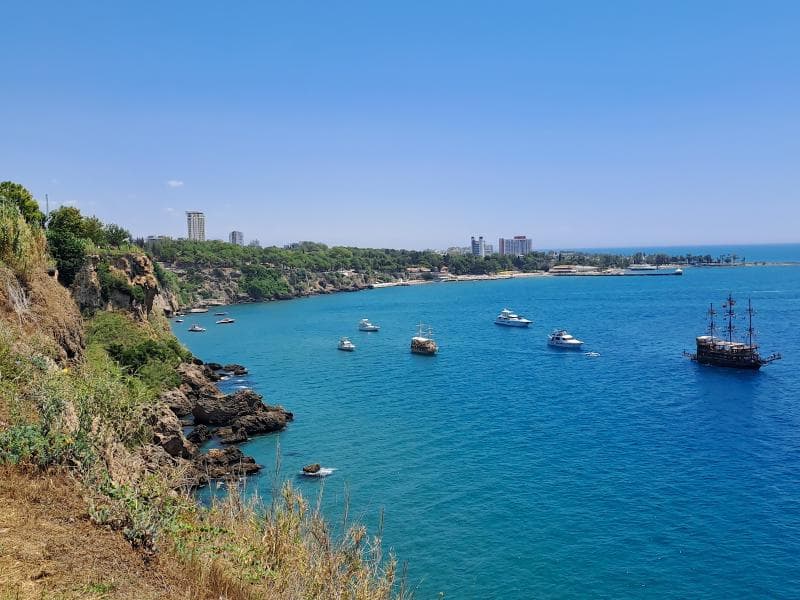

Discover the majestic Lower Düden Waterfall in Antalya, Turkey, where the Düden River dramatically plunges into the Mediterranean Sea.
Overview
The Lower Düden Waterfall, nestled within the vibrant city of Antalya, Turkey, presents a truly exceptional natural spectacle. Known locally as Karpuzkaldıran Şelalesi or Aşağı Düden, this impressive cascade distinguishes itself by dramatically plunging directly into the azure waters of the Mediterranean Sea. Unlike its inland counterpart, the Upper Düden Waterfall, the Lower Düden offers a unique coastal panorama where freshwater meets the vast open ocean. The water descends from a considerable height of approximately 40 to 49 meters over a limestone cliff, creating a powerful, misty display. Situated in the Lara district, about 8 kilometers east of Antalya's city center, the waterfall is freely accessible within Düden Park, providing visitors with ample viewing opportunities from the clifftop.
History & Cultural Background
The story of the Düden Waterfalls is deeply rooted in the geological history of Antalya. The Düden River, which feeds these falls, originates from karst springs in the majestic Taurus Mountains. A significant portion of its journey unfolds mysteriously underground, carving through limestone rock formations for thousands of years before re-emerging to create these captivating waterfalls. In antiquity, the Lower Düden Waterfall was a recognized landmark, known as Katarrhaktes. The ancient geographer Strabo, in his seminal work 'Geography', famously described this waterfall, noting its powerful descent and the distinct sound it produced. This historical mention links the waterfall directly to the ancient city of Attaleia, modern-day Antalya, illustrating its enduring presence in the region's landscape and consciousness. Locals through the centuries have revered these waters, with folklore even suggesting the river possessed magical properties due to its disappearing and reappearing flow.
What Makes It Special
The primary allure of the Lower Düden Waterfall lies in its extraordinary geological characteristic: it is one of the very few waterfalls in the world that discharges directly into the sea. This direct collision of the river's freshwater with the Mediterranean Sea is a rare and captivating sight, offering a visual spectacle unlike many others. The sheer force of the water plunging from the cliff face, spanning 40 to 49 meters, generates a considerable mist and spray, often giving rise to beautiful rainbows on sunny days. The waterfall is framed within Düden Park, a thoughtfully designed public space that allows visitors to witness this natural wonder from various angles along its clifftop terraces. The experience from these vantage points provides a panoramic view of the waterfall set against the expansive backdrop of the Mediterranean, highlighting the raw power and beauty of nature.
Stories, Fun Facts & Local Details
Beyond its striking appearance, the Lower Düden Waterfall holds several interesting facets. It is affectionately known by some locals as 'Karpuzkaldıran', which translates to 'watermelon lifter', a colorful moniker possibly inspired by the force of the falling water. Geologically, the Düden River's intricate underground course, fed by karst springs and emerging in dramatic fashion, is a significant natural phenomenon that has intrigued geologists for decades. It's often cited that only about 31 waterfalls globally share the unique characteristic of flowing directly into the sea, placing the Lower Düden Waterfall among a very select group. While you can admire the waterfall from the land, experiencing its grandeur from the sea, typically via a boat tour, offers an entirely different perspective, allowing one to fully grasp the scale of the cliff and the impact of the water.
Visitor Perspective
Visiting the Lower Düden Waterfall is a remarkably accessible and rewarding experience. The site is open 24/7, with no entrance fee to access the clifftop viewing areas within Düden Park. Located merely 8 kilometers from Antalya's city center, it is easily reached by public buses or a short taxi ride. Paved paths and dedicated viewing platforms offer safe and comfortable spots to take in the breathtaking scenery. For a different, equally impressive vantage point, boat tours departing from Antalya's old harbor provide an unforgettable close-up view from the Mediterranean Sea. Mornings tend to be quieter, offering a more serene atmosphere for contemplation and photography. While the waterfall can be visited year-round, spring, particularly April and May, is often considered ideal due to increased water flow from winter rains and the lush surrounding greenery. Visitors should note that paths near the cliff can be slippery due to mist, making sturdy, grip-friendly footwear advisable. Typically, 30 to 60 minutes are sufficient to explore the land-based viewing areas.
Coordinates: 30.7835, 36.85096
View on Google Maps💬 How Travelers Describe This Place
Based on community votes
Unique
747Beautiful
399Interesting
302Photogenic
79Must See
76
Traveler Stories
Discover memorable experiences shared by travelers who have visited this place.
No traveler stories yet.
Be the first traveler to share what made this place memorable.

Tour
By
Spot
Discover amazing places around the world. Your journey starts here.
Explore
© 2026 TourBySpot. All rights reserved.