Los Angeles Zoo
Los Angeles, United States
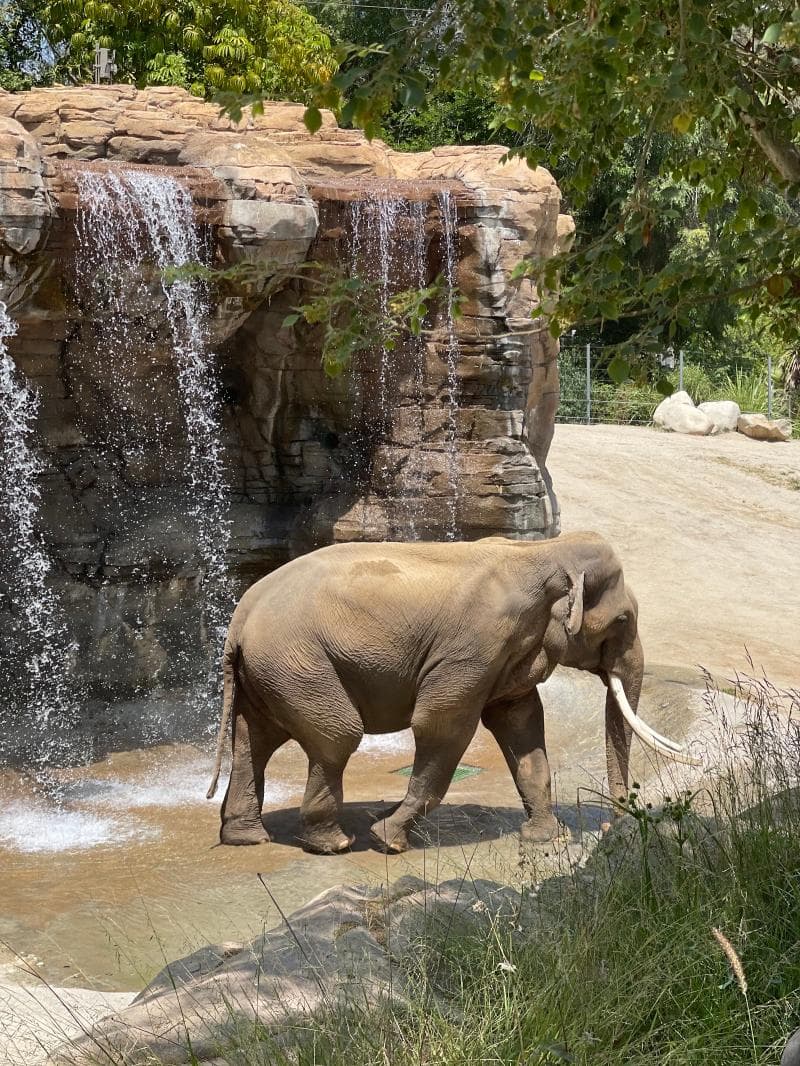
Explore the Los Angeles Zoo & Botanical Gardens in Griffith Park, Los Angeles, United States. Discover 1,700+ animals, lush botanical collections, and vital conservation efforts at this urban oasis.
Overview
Nestled within the vast expanse of Griffith Park, the Los Angeles Zoo and Botanical Gardens stands as a vibrant sanctuary for wildlife and a lush horticultural haven in Los Angeles, United States. Spanning 133 acres, this remarkable institution is home to more than 1,700 animals representing over 270 different species, many of which are rare or endangered. Beyond its impressive animal collection, the Zoo is also a certified botanical garden, boasting more than 7,400 individual plants from over 800 diverse species, creating immersive naturalistic habitats for its residents and a stunning landscape for visitors. Open daily from 10 a.m. to 5 p.m., the Los Angeles Zoo is deeply committed to conservation, education, and providing an engaging experience for all who enter its gates.
History & Cultural Background
The zoological history of Los Angeles traces back further than many realize, beginning with the Eastlake Zoo in 1885. This was followed by the Griffith Park Zoo, which opened in 1912 about two miles south of the current location. This older zoo, with its more traditional enclosures, served the city for over five decades. However, by the mid-20th century, a more modern facility was needed. The current Los Angeles Zoo officially opened its gates on November 28, 1966, on a site that had previously been Rodger Young Village. The city of Los Angeles proudly owns and operates the Zoo, its land, facilities, and animal collection, with a dedicated team of city employees managing daily operations. In 2002, the institution achieved certification as a botanical garden, officially becoming the Los Angeles Zoo and Botanical Gardens, underscoring its commitment to plant life. Supporting this public entity is the Greater Los Angeles Zoo Association (GLAZA), a non-profit corporation established in 1963 to provide crucial financial backing for the Zoo's programs and capital projects.
What Makes It Special
The Los Angeles Zoo and Botanical Gardens offers a collection of immersive exhibits designed to transport visitors around the globe, providing intimate views into diverse ecosystems. Among its standout attractions is the Campo Gorilla Reserve, a sprawling 1.5-acre habitat where guests can observe Western Lowland Gorillas through expansive glass viewing windows. The Chimpanzees of the Mahale Mountains exhibit is particularly noteworthy, earning praise from primatologist Jane Goodall for its naturalistic design and housing one of the largest multi-male, multi-female chimpanzee troops in an Association of Zoos and Aquariums (AZA) accredited institution. The Red Ape Rainforest provides an enriching environment for orangutans, allowing visitors to witness their arboreal behaviors. The LAIR (Living Amphibians, Invertebrates, Reptiles) offers up-close encounters with over 60 species, some of which are rarely seen elsewhere. Additionally, the Rainforest of the Americas is a 2.2-acre immersive experience showcasing the vibrant biodiversity of South American jungles. The Zoo's dedication to conservation is evident in its long-standing and successful California Condor Recovery Program, a crucial effort to save this endangered species. The integration of over 800 plant species throughout the grounds further enhances the feeling of stepping into different natural habitats.
Stories, Fun Facts & Local Details
Over the decades, the Los Angeles Zoo has been the site of many memorable moments and unique achievements. In a significant conservation first, the Zoo was the birthplace of the first mountain tapir ever born in a zoo on June 4, 1977. It also holds the distinction of being the first zoo to successfully breed all four known tapir species. The Zoo played a pioneering role in the breeding of harpy eagles, hatching the first chicks of this majestic species in the United States. A brief but impactful cultural event occurred in 1984 when giant pandas visited the Zoo, attracting immense crowds and smashing attendance records during their three-month stay. Beloved actress and animal advocate Betty White also served as one of the L.A. Zoo Commissioners from 1997 to 2005, reflecting a deep local connection to the institution. For those intrigued by history, remnants of the old Griffith Park Zoo, including its unique animal enclosures, still exist within Griffith Park and can be explored today, offering a tangible link to Los Angeles' past.
Visitor Perspective
Planning a visit to the Los Angeles Zoo is straightforward, with the facility open daily from 10 a.m. to 5 p.m., though animals begin to move into their nighttime enclosures around 4 p.m. The Zoo is closed only on Thanksgiving Day and Christmas Day. Given its extensive 133-acre layout, wearing comfortable walking shoes is highly recommended to fully explore all the exhibits. For convenience, strollers, wheelchairs, and scooters are available for rent on a first-come, first-served basis. A Safari Shuttle service also operates, making stops at various points around the Zoo's perimeter for an additional fee. Visitors have multiple dining options within the Zoo, or they can bring their own food and drinks to enjoy at designated picnic areas, keeping in mind that glass containers, disposable straws, and alcoholic beverages are not permitted. The Los Angeles Zoo strives for inclusivity, offering accessibility features such as sensory bags equipped with noise-canceling headphones, fidget tools, and verbal cue cards, which can be accessed via the free KultureCity App.
Coordinates: -118.28388, 34.148146
View on Google Maps💬 How Travelers Describe This Place
Based on community votes
Interesting
556Must See
394Beautiful
269Photogenic
254Unique
145
Traveler Stories
Discover memorable experiences shared by travelers who have visited this place.
No traveler stories yet.
Be the first traveler to share what made this place memorable.

Tour
By
Spot
Discover amazing places around the world. Your journey starts here.
Explore
© 2026 TourBySpot. All rights reserved.