Local Delicacies
Almaty, Kazakhstan
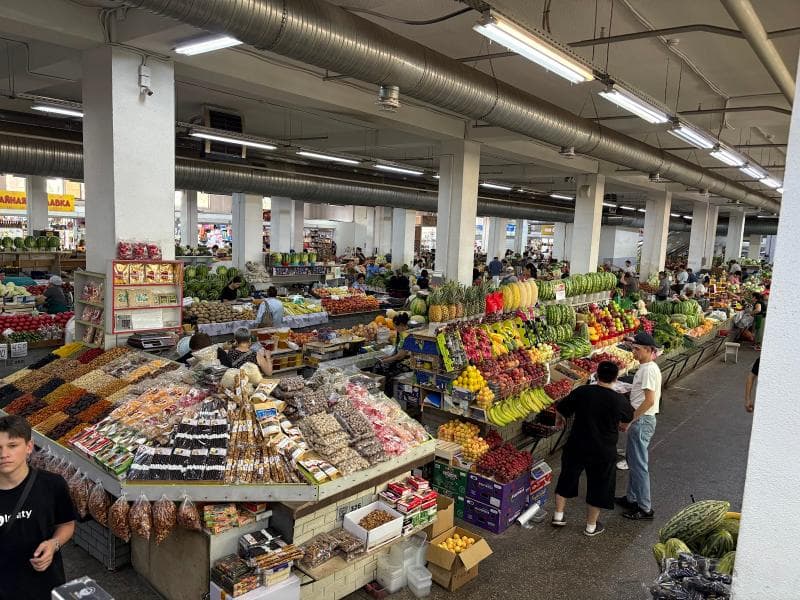
Discover local delicacies at Almaty's Green Bazaar, Kazakhstan. Explore traditional Kazakh food, vibrant spices, and unique Central Asian treats.
Overview
Stepping into the Green Bazaar, known locally as Zeleny Bazaar or Kök Bazaar, is an immediate immersion into the bustling heart of Almaty, Kazakhstan. More than just a market, it's a vibrant sensory experience where the rich tapestry of Central Asian culture and cuisine unfolds before your eyes. Here, an incredible array of local delicacies, fresh produce, and unique ingredients awaits, offering a direct connection to the region's culinary heritage and daily life. It serves as a living testament to Almaty's enduring role as a key trading post along the historic Silk Road, where merchants and flavors from diverse lands have converged for centuries.
History & Cultural Background
The Green Bazaar's history dates back to 1875, when it first emerged as a bustling 'Gostiny Dvor' or guest yard for traveling merchants and caravans. This early incarnation established it as an essential trading point. After a major earthquake in 1887 devastated much of Almaty, the market, too, was impacted. It was reconstructed in 1927 and rebranded as the Central Farm Market, though the popular name 'Green Bazaar' (Kök Bazaar) persisted, likely due to the abundance of fresh green produce brought from the surrounding foothills. The current Soviet-era modernist building, with its distinctive two-story structure, was rebuilt in 1975, yet it remarkably retains the authentic charm and chaotic energy of a traditional oriental bazaar. The market’s offerings deeply reflect Kazakhstan's nomadic past, where meat and dairy were, and remain, the backbone of the diet, a heritage vividly displayed in its specialized sections.
What Makes It Special
The Green Bazaar stands out due to its incredible diversity and authenticity. It’s a place where the culinary traditions of various ethnic groups – Kazakhs, Russians, Koreans, Uyghurs, and Uzbeks – blend harmoniously. You'll find rows overflowing with succulent fresh fruits and vegetables, aromatic spices, and a dazzling assortment of nuts and dried fruits, many sourced from neighboring Central Asian countries. However, the true stars are the traditional Kazakh delicacies. Visitors can discover unique items such as kazy, a flavorful horse meat sausage, and shuzhuk. The dairy section is a treasure trove, featuring kurt (dried, salty cheese balls made from fermented mare's or sheep's milk), kumys (fermented mare's milk, a lightly alcoholic beverage), and shubat (fermented camel's milk). Beyond these staples, you might encounter beshbarmak, Kazakhstan's national dish often featuring horse or lamb meat with flat noodles, and baursaks, delightful deep-fried dough pieces.
Stories, Fun Facts & Local Details
Almaty itself is famously known as the 'father of apples,' and the region is considered the genetic origin of all domestic apples on Earth. This heritage is proudly showcased with juicy Almaty apples among the seasonal produce at the bazaar. The traditional Kazakh diet, heavily reliant on meat and dairy, tells a story of survival and resourcefulness from nomadic life. Delicacies like kurt were essential for nomads on the move, providing long-lasting protein and calcium. The presence of Korean carrot salad, or morkovcha, illustrates how culinary traditions adapt; it originated when Soviet Koreans applied their pickling techniques to local ingredients in the 1940s. While the market is known for its friendly vendors, who often offer generous samples, be aware that bargaining is typically light and usually reserved for bulk purchases. The experience is less about haggling over every coin and more about savoring the flavors and connecting with local culture.
Visitor Perspective
For a curious traveler, the Green Bazaar offers an unparalleled opportunity to delve into the heart of Almaty's local life. The sheer volume of sights, sounds, and smells can be overwhelming in the best possible way—from the theatrical meat sections where butchers skillfully prepare various cuts, including horse and lamb, to the vibrant displays of dried fruits and spices. Vendors are generally welcoming and eager to offer tastes, providing a genuine interaction that enriches the visit. Many stalls operate on a cash-only basis, so it's advisable to have local currency (Tenge) on hand. For a full energetic experience, a weekend morning is often recommended, though weekdays can offer a more relaxed pace. Beyond shopping, the bazaar provides a chance to sample prepared foods like laghman (hand-pulled noodle soup) or manty (steamed dumplings) at various food stalls, sometimes located on an upper floor, offering a panoramic view of the market's vibrant activity below.
Coordinates: 76.9458, 43.2609
View on Google Maps💬 How Travelers Describe This Place
Based on community votes
Interesting
961Must See
733Photogenic
695Beautiful
404Unique
336
Traveler Stories
Discover memorable experiences shared by travelers who have visited this place.
No traveler stories yet.
Be the first traveler to share what made this place memorable.

Tour
By
Spot
Discover amazing places around the world. Your journey starts here.
Explore
© 2026 TourBySpot. All rights reserved.