Lindenhof Hill
Zurich, Switzerland
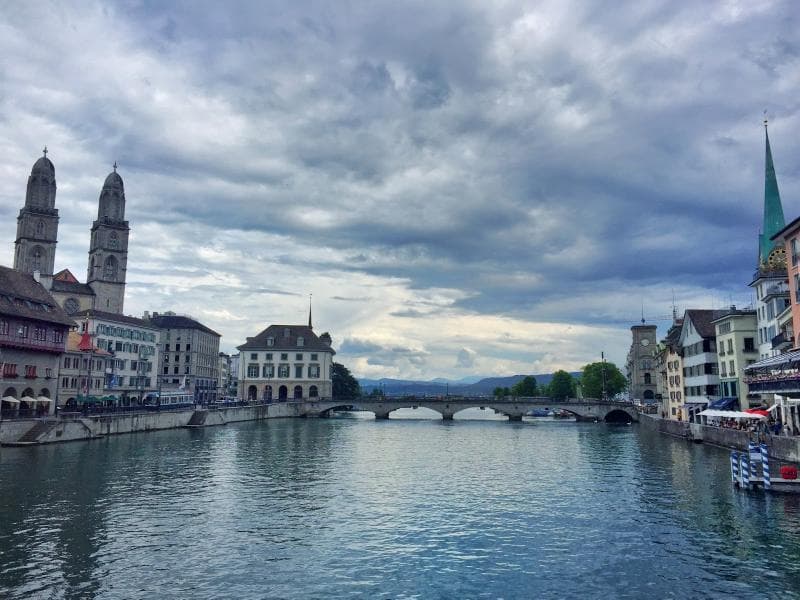
Discover Lindenhof Hill in Zurich, Switzerland – a historic public square offering panoramic views of the Limmat River, Old Town, and a rich past stretching back to Roman times.
Overview
Lindenhof Hill, nestled in the heart of Zurich's Old Town, is far more than just a public park; it is a serene, elevated oasis offering some of the most breathtaking panoramic views of the city. This historic square provides a unique vantage point over the Limmat River, the bustling Old Town (Niederdorf district), the iconic Grossmünster Church, and, on clear days, even the distant Alps. Shaded by majestic linden trees, which give the hill its name, Lindenhof is a beloved spot for both locals and travelers seeking tranquility amidst Zurich's vibrant urban landscape. It is a place where history resonates with every step, inviting visitors to pause and absorb centuries of stories that have unfolded on this very ground.
History & Cultural Background
The history of Lindenhof Hill stretches back over two millennia, making it one of the oldest continuously settled sites in Zurich. Its strategic elevated position above the Limmat River made it a crucial location from prehistoric times. Archaeological excavations have revealed evidence of Neolithic and Bronze Age settlements, as well as a Celtic Oppidum from the 1st century BC.
Around 15 BC, the Romans recognized its military importance, establishing a fort named Turicum on the hill. This fort served as a customs station and a vital part of their defensive network, laying the groundwork for the city of Zurich. A 2nd-century Roman tombstone, discovered in 1747, bears the oldest known attestation of 'Turicum,' Zurich's Roman name; a copy is now integrated into a wall at Pfalzgasse near Lindenhof. After the Roman Empire, the site continued its strategic significance, hosting a Carolingian and later an Ottonian Kaiserpfalz, a royal residence that was a center of power in medieval Europe. The remains of the Roman camp were incorporated into subsequent fortifications and buildings.
Culturally, Lindenhof has long been a place of public assembly. In 1798, the citizens of Zurich famously gathered here to swear the oath to the constitution of the short-lived Helvetic Republic, marking a pivotal moment in Swiss political history. The hilltop area, including its prehistoric, Roman, and medieval remains, is officially listed as a Swiss heritage site of national significance, underscoring its profound historical value.
What Makes It Special
What truly sets Lindenhof Hill apart is its exceptional combination of historical depth and contemporary charm. Firstly, the unparalleled panoramic views are a major draw. From its stone balustrade, visitors can gaze upon the winding Limmat River, the charming gabled rooftops of the Niederdorf district, the grand twin towers of the Grossmünster Church, St. Peter's Church with its large clock face, and the Fraumünster Church. On a clear day, the majestic snow-capped peaks of the Alps provide a stunning backdrop to the urban sprawl.
Beyond the views, Lindenhof serves as a tranquil, car-free green oasis in the bustling city center. The ancient linden trees provide ample shade, making it an ideal spot for relaxation and quiet contemplation. It is also a social hub, particularly known for its large, open-air chessboards where locals and tourists engage in friendly matches, adding a unique, lively character to the historic setting. The site's status as a moraine hill, formed thousands of years ago by glacial activity, adds another layer to its natural distinctiveness.
Stories, Fun Facts & Local Details
One of the most enduring and beloved legends associated with Lindenhof dates back to 1292. During a siege by Duke Albert I of Habsburg, when many of Zurich's soldiers were away, the city appeared defenseless. According to the tale, the women of Zurich, led by Hedwig ab Burghalden, donned armor, marched to Lindenhof, and stood conspicuously on the city walls, creating the illusion of a formidable defense force. Deceived by this clever ruse, Duke Albert I abandoned his siege. The Hedwig Fountain, sculpted in 1688 and depicting a helmeted female figure, stands as a tribute to these courageous women.
The name 'Lindenhof' itself, meaning 'linden yard' or 'linden court,' directly refers to the magnificent linden trees that have adorned the hill for centuries. Although the current trees are not the original ancient plantings, the tradition of having them here is deeply ingrained in the hill's identity. Additionally, since 1851, Lindenhof has been home to the Masonic lodge Modestia cum Libertate, housed in a distinctive building on the southern side of the square. During the annual Sechseläuten spring festival in April, Lindenhof plays a special role, serving as the base of operations for the year's guest canton.
Visitor Perspective
For visitors, Lindenhof Hill offers an effortlessly rewarding experience. It is easily accessible by foot from the main train station and various tram stops, with charming, narrow medieval alleys leading up to the peaceful square. There is no admission fee, and the site is open 24/7, allowing for visits at any time of day. Many suggest dedicating 20-45 minutes to enjoy the views and atmosphere fully.
Stepping onto Lindenhof feels like entering a pocket of timelessness, a stark contrast to the modern city below. It's a perfect spot for quiet reflection, photography, or simply enjoying a picnic. You'll often find people playing giant chess, families relaxing, or couples enjoying the romantic vista. The experience is enriched by the tangible sense of history underfoot, from Roman foundations to medieval walls, blending seamlessly with the vibrant present-day life of Zurich. This harmonious blend of natural beauty, profound history, and local cultural interaction makes Lindenhof Hill an unforgettable stop for any traveler in Zurich.
Coordinates: 8.5408, 47.37299
View on Google Maps💬 How Travelers Describe This Place
Based on community votes
Beautiful
995Interesting
839Must See
603Unique
388Photogenic
289
Traveler Stories
Discover memorable experiences shared by travelers who have visited this place.
No traveler stories yet.
Be the first traveler to share what made this place memorable.

Tour
By
Spot
Discover amazing places around the world. Your journey starts here.
Explore
© 2026 TourBySpot. All rights reserved.