Lighting Displays
Minsk, Belarus
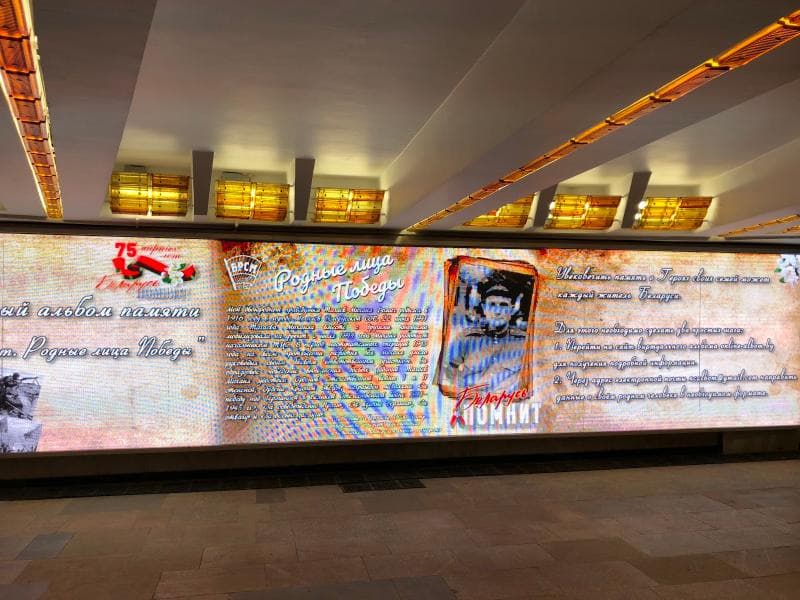
Discover the symbolic lighting displays of Victory Square in Minsk, Belarus, featuring the Eternal Flame and illuminated monument, honoring WWII heroes.
Overview
Victory Square, or Ploshchad Pobedy, in Minsk, Belarus, stands as a profound symbol of remembrance and triumph. While not a conventional 'lighting display' in the entertainment sense, the illumination here refers to the powerful and symbolic lighting elements that define this monumental site. At its heart is the towering Victory Monument, an obelisk commemorating the heroism of Soviet soldiers and Belarusian partisans during World War II. The square's lighting, particularly the Eternal Flame, transforms it into a solemn and visually impactful space, especially as dusk settles over the city. It serves as a central point for national commemorations and quiet reflection, drawing both locals and curious travelers to its illuminated presence.
History & Cultural Background
The genesis of Victory Square and its significant lighting elements is deeply rooted in the aftermath of the Great Patriotic War, as World War II is known in Belarus. Minsk suffered immense devastation, and the square was conceived as a lasting tribute to the millions who perished and the valor of those who fought for liberation. The central Victory Monument, a granite obelisk, was erected in 1954. A pivotal moment in its history occurred on July 3, 1961, when the Eternal Flame was first lit at the base of the obelisk, becoming a perpetual symbol of memory for the fallen. Later, in 1985, an underground Memorial Hall was opened beneath the square, timed for the 40th anniversary of Victory Day. This hall houses a unique internally lit wreath made of cast glass, further extending the concept of an everlasting light of remembrance.
What Makes It Special
The lighting elements at Victory Square collectively create a deeply moving and visually striking experience. The most prominent is undoubtedly the Eternal Flame, which has burned continuously since 1961, a steady beacon honoring enduring sacrifice. At night, the main Victory Monument obelisk itself is illuminated, its impressive height and design highlighted against the dark sky, making it a prominent feature of the Minsk skyline. Below ground, within the Memorial Hall, a wreath crafted from artistic glass glows with internal lighting. This thoughtful design ensures that the theme of eternal remembrance, symbolized by light, permeates every aspect of the memorial. The combination of these luminous features — the outdoor flame, the majestic obelisk's glow, and the subterranean radiating wreath — sets Victory Square apart as a site of profound historical and emotional significance.
Stories, Fun Facts & Local Details
Victory Square is not merely a monument; it is a living part of Minsk's daily life and cultural fabric. One heartfelt tradition sees newlyweds visit the square to lay flowers at the Eternal Flame, symbolizing respect for past generations and a hopeful start to their future together. The square is also a frequent location for solemn events and commemorative ceremonies, particularly on Victory Day (May 9th) and Liberation Day (July 3rd). Visitors might also witness the precision of the guard changing ceremonies, especially poignant against the backdrop of the monument's evening illumination. Surrounding the square are neoclassical buildings from the post-war reconstruction era, some adorned with the powerful slogan, 'The Feat Of The People Is Immortal,' which also becomes illuminated at night, reinforcing the square's message.
Visitor Perspective
Approaching Victory Square, particularly as evening descends, offers a truly unique perspective. The soft glow of the Eternal Flame, unwavering at the base of the grand obelisk, immediately commands attention and respect. The monument, bathed in light, creates an atmosphere of dignified solemnity. Descending into the underground Memorial Hall, the experience becomes even more intimate. The silence, often broken only by the quiet shuffling of feet, combined with the subtle, internal luminescence of the glass wreath, fosters a deep sense of contemplation. It is a place that encourages visitors to pause, reflect, and connect with the immense history it represents. The purposeful lighting throughout Victory Square enhances its role as a powerful, enduring tribute, ensuring that the sacrifices it commemorates are never forgotten.
Coordinates: 27.5739, 53.9066
View on Google Maps💬 How Travelers Describe This Place
Based on community votes
Beautiful
971Must See
594Photogenic
523Interesting
149Unique
141
Traveler Stories
Discover memorable experiences shared by travelers who have visited this place.
No traveler stories yet.
Be the first traveler to share what made this place memorable.

Tour
By
Spot
Discover amazing places around the world. Your journey starts here.
Explore
© 2026 TourBySpot. All rights reserved.