Liebieghaus
Frankfurt, Germany
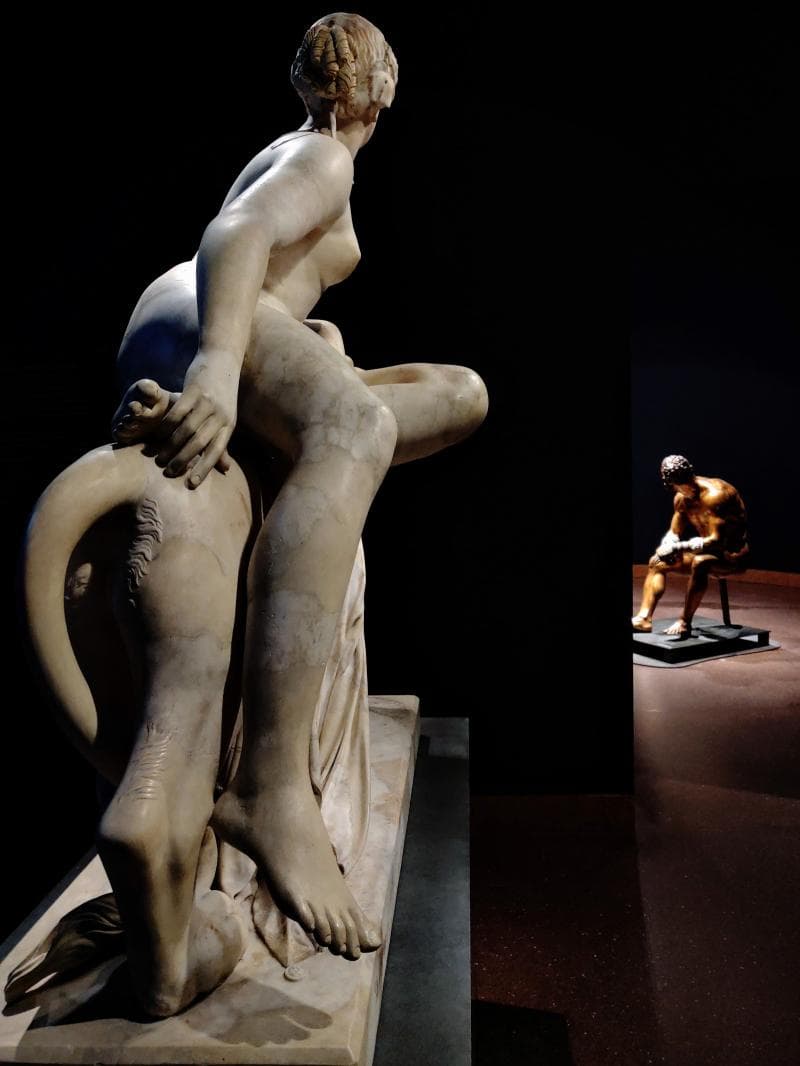
Explore Liebieghaus, a world-class sculpture museum in Frankfurt, Germany. Discover 5,000 years of art in a stunning 19th-century villa and garden.
Overview
Nestled along Frankfurt's famed Museumsufer (Museum Embankment), the Liebieghaus Skulpturensammlung offers a captivating journey through five millennia of sculptural art. Housed within a picturesque 19th-century villa, this specialized museum presents a world-class collection spanning from ancient Egypt to European Neoclassicism. Its serene garden, adorned with various sculptures, provides a tranquil oasis amidst the bustling city. The Liebieghaus is a unique cultural gem, inviting visitors to explore the intricate beauty and profound stories held within its diverse array of three-dimensional artworks.
History & Cultural Background
The story of the Liebieghaus begins with Baron Heinrich von Liebieg, a Bohemian textile manufacturer, who commissioned the construction of this elegant villa between 1892 and 1896. Designed by Munich architect Leonhard Romeis in the historicist Gründerzeit style, the building itself is a work of art, blending various architectural influences like South Tyrolean and Bamberg Renaissance.
Upon Baron von Liebieg's death, the city of Frankfurt acquired the villa in 1908 under a unique condition: it was to be established 'for all time' as a public art museum. Inaugurated in 1909, the Liebieghaus Skulpturensammlung quickly became a significant cultural institution, initially complementing the painting collection of the nearby Städel Museum. Founding director Georg Swarzenski played a pivotal role in shaping its early collection, focusing on illustrating the development of sculpture across historical ages.
What Makes It Special
What sets the Liebieghaus apart is its singular dedication to sculpture, presenting an unparalleled overview of 5,000 years of the art form. The museum's collection, comprising around 3,000 pieces, is exceptionally comprehensive, featuring masterworks from ancient Egyptian, Greek, and Roman civilizations, as well as medieval, Renaissance, Baroque, Rococo, and Neoclassical periods, and even pieces from the Far East.
Highlights of the collection include a Roman marble copy of Myron's Athena from the 5th century BC, Tilman Riemenschneider's sandstone 'Virgin Mary' from around 1520, and Andrea della Robbia's terracotta altar from approximately 1500. Another notable piece is Johann Heinrich von Dannecker's 'Ariadne on the Panther', a replica of which graces the museum's garden.
Beyond its impressive holdings, the Liebieghaus offers an experience where the setting is as much an exhibit as the sculptures themselves. The 'castle-like' villa, with its architectural grandeur, and the beautiful surrounding garden, which often features outdoor sculptures, contribute significantly to the museum's charm and unique atmosphere.
Stories, Fun Facts & Local Details
One of the most fascinating aspects of the Liebieghaus is its pioneering research into the polychromy of ancient sculptures. For years, the prevailing belief was that classical Greek and Roman sculptures were pristine white. However, the Liebieghaus's 'Gods in Color' project, led by Professor Dr. Vinzenz Brinkmann, has revealed through scientific methods that many of these ancient artworks were originally brightly painted. The museum has even displayed actual-size reproductions in their 'original color format' next to the surviving authentic pieces, offering a startling and vibrant reinterpretation of antiquity.
The museum's creation itself is a testament to Frankfurt's civic dedication to culture. Baron von Liebieg's specific bequest ensured that his elegant home would forever serve public appreciation of art, setting the stage for what would become an internationally recognized sculpture museum. The tranquil garden also often hosts special events, like 'Secret Garden' sundowners, blending art, music, and a relaxed ambiance.
Visitor Perspective
Visitors frequently describe the Liebieghaus as a peaceful and contemplative space, a welcome escape from the urban pace. Its manageable size and clear thematic presentation make it accessible and enjoyable, even for those new to sculpture. The signage, often bilingual in German and English, enhances the visitor's understanding of the artworks and their context.
For a refreshing break, the Liebieghaus Café, known for its homemade cakes and quiches, is a beloved spot within the beautiful courtyard, providing an additional layer of charm to the museum experience. The overall atmosphere, combined with the helpful staff, makes for a highly rated and memorable visit, offering a unique opportunity to connect with art across millennia in a beautifully preserved historical setting.
Coordinates: 8.67167, 50.10194
View on Google Maps💬 How Travelers Describe This Place
Based on community votes
Unique
934Must See
879Beautiful
741Interesting
276Photogenic
30
Traveler Stories
Discover memorable experiences shared by travelers who have visited this place.
No traveler stories yet.
Be the first traveler to share what made this place memorable.

Tour
By
Spot
Discover amazing places around the world. Your journey starts here.
Explore
© 2026 TourBySpot. All rights reserved.