Letters Section
Amsterdam, Netherlands
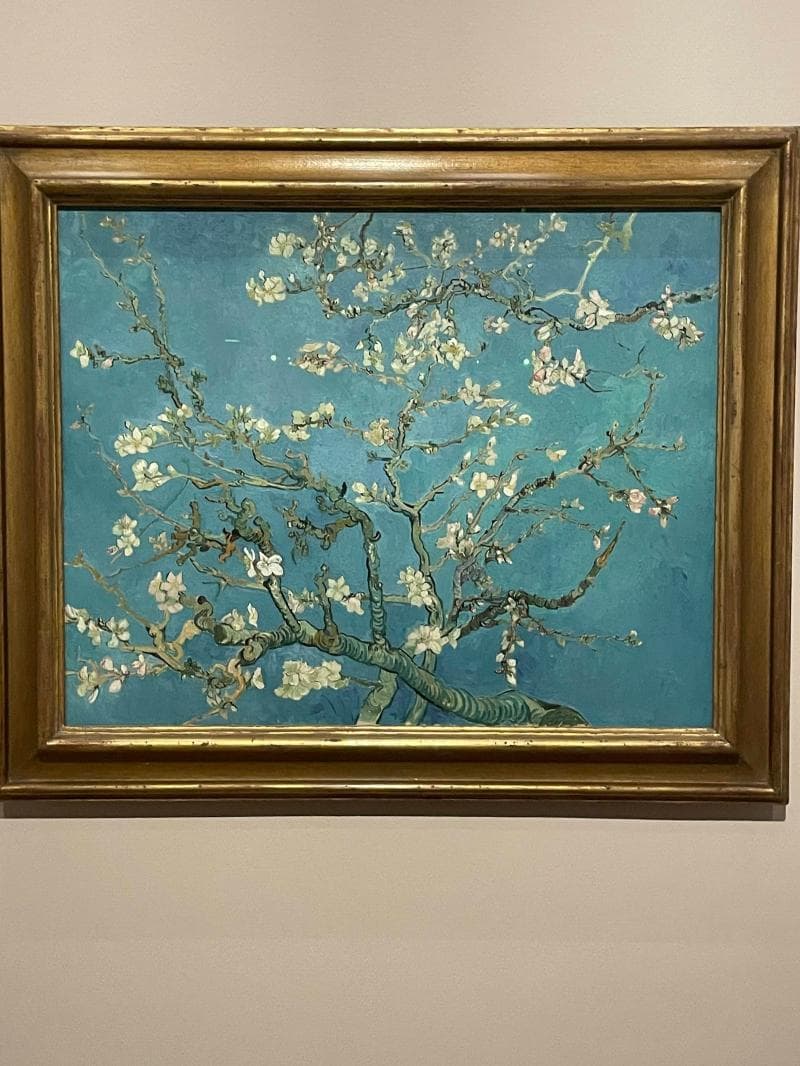
Explore Van Gogh's profound letters at the Van Gogh Museum in Amsterdam, Netherlands. Gain unique insights into his art and life.
Overview
While not a separate, dedicated room, the 'Letters Section' at the Van Gogh Museum in Amsterdam, Netherlands, represents a profound and integral aspect of the museum's entire exhibition. Instead of confining Vincent van Gogh's voluminous correspondence to a single display, the museum masterfully weaves the content of his letters throughout its galleries, providing unparalleled insights into the artist's tumultuous life and groundbreaking work. Visitors will discover how these personal writings serve as a vital narrative thread, connecting the brushstrokes on the canvas to the thoughts and emotions of the man who created them. The museum houses the vast majority of Van Gogh's surviving letters, making this integration a central pillar of the visitor experience.
History & Cultural Background
Vincent van Gogh was a prolific letter writer, particularly to his younger brother and confidant, Theo. Of the 903 surviving letters, 820 were penned by Vincent himself, with over 650 addressed to Theo, who diligently preserved them. It's largely due to Theo's foresight and care, and later, his wife Johanna van Gogh-Bonger's dedication, that this invaluable collection exists today. These letters chronicle Van Gogh's journey from a young man struggling to find his path to a visionary artist. They offer a unique, first-person account of his daily life, financial struggles, deep philosophical musings on art and nature, and his intense emotional and mental health battles. The comprehensive scholarly edition of these letters, a collaborative effort involving the Van Gogh Museum and the Huygens Institute, has further solidified their cultural importance, allowing deeper understanding and appreciation worldwide.
What Makes It Special
What makes the 'Letters Section' — or rather, the letters' presence — truly special is their ability to humanize Van Gogh, transforming him from a mythic figure into a relatable individual. These are not merely historical documents; they are raw, unfiltered expressions of his soul. In his letters, Van Gogh articulates his artistic theories, discusses color choices, describes the scenes he was painting, and reveals his ambitions and disappointments. Many letters even include spontaneous sketches, or 'scratches' as he called them, offering a direct visual link between his written thoughts and his evolving artistry. For instance, a letter might feature a small drawing of 'The Potato Eaters' or 'Field with Irises near Arles', often annotated with color notes, providing an intimate glimpse into his creative process. Due to their extreme fragility and sensitivity to light, the original letters are rarely displayed for extended periods. However, the museum often features facsimiles, quotes, and interactive displays that bring their content to life, offering a profound connection to Van Gogh's inner world.
Stories, Fun Facts & Local Details
- A Window to a Soul: Van Gogh's correspondence is remarkable for its honesty and depth. He shared intimate details, including his dreams, romantic woes, friendships, and struggles with illness, often sharing secrets with Theo that he would trust no one else with.
- Artistic Blueprint: The letters sometimes functioned as an artistic blueprint or an early 'WhatsApp' message. He would describe paintings in detail or sketch them out to give Theo, his primary financial and emotional supporter, a better idea of his progress and needs, particularly for art supplies.
- A Polyglot Painter: Although Dutch, Van Gogh wrote many of his letters in French, especially after moving to Paris, as it was considered the international language of culture at the time. He even encouraged his sister Wil to correspond in French.
- Signature Style: Van Gogh signed his paintings with just 'Vincent' because he found 'Van Gogh' difficult for French speakers to pronounce, a detail often revealed in his letters.
- The Last Letter: One of the most poignant facts is the existence of Van Gogh's final, unsent letter to Theo, found in his pocket after his death, which provides a heartbreaking conclusion to their extensive correspondence.
Visitor Perspective
For the curious traveler, encountering Van Gogh's letters within the museum is an immersive experience. Instead of a linear read, you'll find excerpts strategically placed next to the paintings and drawings they discuss. This allows for a deeper appreciation, as you can read Van Gogh's own words describing 'The Bedroom' while gazing at the masterpiece itself. The museum encourages visitors to take their time, reading these passages slowly and allowing them to enrich their understanding of his motivations and artistic vision. Audio guides often feature readings from his letters, bringing his voice directly to you. Engaging with these letters transforms a visit from merely observing art to understanding the profound human story behind it. It's a chance to 'look over the shoulder' of the artist and witness his artworks come to life through his own eloquent and often emotional descriptions.
Coordinates: 4.8811, 52.3583
View on Google Maps💬 How Travelers Describe This Place
Based on community votes
Photogenic
869Beautiful
445Unique
416Must See
141Interesting
33
Traveler Stories
Discover memorable experiences shared by travelers who have visited this place.
No traveler stories yet.
Be the first traveler to share what made this place memorable.

Tour
By
Spot
Discover amazing places around the world. Your journey starts here.
Explore
© 2026 TourBySpot. All rights reserved.