Lakes
Amsterdam, Netherlands
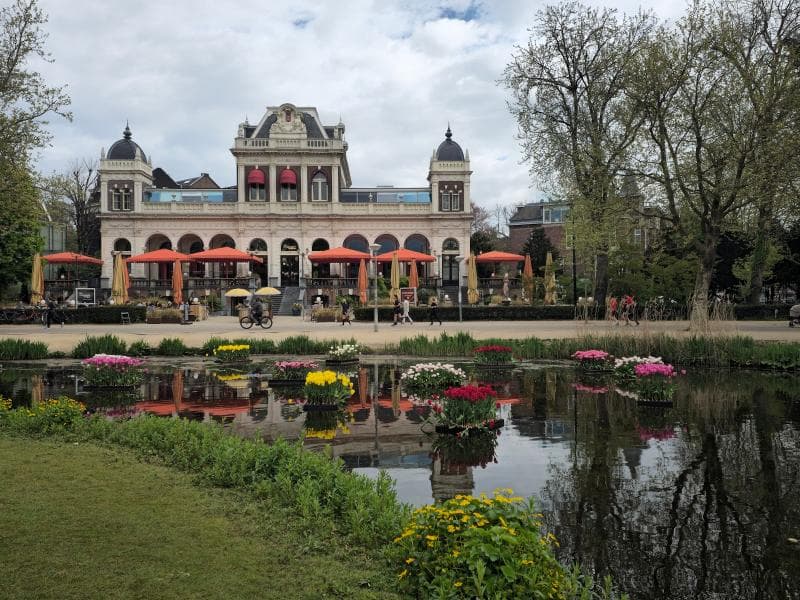
Discover Vondelpark's tranquil lakes and ponds in Amsterdam, Netherlands. Explore the history, unique design, and serene beauty of these vital urban waterways.
Overview
Nestled within the vibrant city of Amsterdam, the Vondelpark is a sprawling green oasis, and its interconnected lakes and ponds form a serene watery heart. These tranquil water features are not merely decorative; they are integral to the park's iconic English landscape design, offering a calming contrast to the city's lively pace. Visitors are drawn to the reflective surfaces, often adorned with graceful swans and ducks, which create picturesque scenes throughout the seasons. The 'Lakes' of Vondelpark encompass a network of ponds and waterways, contributing significantly to the park's biodiversity and aesthetic appeal, inviting moments of peaceful contemplation and leisurely observation.
History & Cultural Background
The origins of Vondelpark's water elements are deeply intertwined with the park's overall conception in the 1860s. Designed by landscape architect Jan David Zocher and later expanded by his son Louis Paul Zocher, the park was envisioned in the English landscape style, which inherently features naturalistic water bodies. These ponds were engineered to appear entirely natural, yet they cleverly manage Amsterdam's high groundwater levels, a testament to early eco-conscious city planning. Originally known as 'Nieuwe Park' (New Park), it was renamed Vondelpark in 1880 after the 17th-century poet Joost van den Vondel, whose statue proudly stands within its grounds. The park's creation on former marshland and peat soil presented ongoing challenges with water management, necessitating various renovations over the decades to maintain its intricate drainage system and prevent flooding. Cultural life has long revolved around these waters, with the park evolving from a recreational space for the wealthy to a public haven for all Amsterdammers and tourists.
What Makes It Special
The lakes and ponds of Vondelpark stand out for their harmonious blend of natural beauty and ingenious design. They are more than just water bodies; they are living reflections of the sky, framed by weeping willows and crossed by elegant 19th-century iron bridges designed to preserve sweeping sightlines across the park. Beneath the calm surface, a carefully balanced ecosystem thrives, home to reeds, lilies, and a variety of nesting waterfowl, making it a vital urban sanctuary for biodiversity. The park also features points of interest like the historical Vondelfontein, a reconstructed drinking fountain that once provided clean dune water to the public and was notable for its reflection in the surrounding water. More recently, contemporary art installations like Sabine Marcelis's 'Vondel Fountain, Stacked' temporarily add a modern artistic dimension, engaging with the water as both a medium and inspiration.
Stories, Fun Facts & Local Details
Vondelpark's waters hold many stories and intriguing facts. For instance, the constant struggle with Amsterdam's soft, peaty ground means the park's water system requires regular attention; without periodic renovations, the park could revert to marshland, with sections becoming vast ponds after heavy rains. The problem is so significant that simply pumping out water is not an option, as it could endanger the wooden foundations of nearby buildings. This ongoing battle against subsidence and water is a hidden narrative of the park's existence. The park's various bridges, particularly those arching over its waters, have witnessed countless romantic strolls and serve as popular spots for photos. Interestingly, the park's ecosystem has seen the unexpected arrival of feral rose-ringed parakeets, adding a splash of exotic color to the native birdlife around the ponds. Musicians occasionally perform by the water's edge, their melodies drifting across the ripples, adding to the park's enchanting atmosphere.
Visitor Perspective
For the curious traveler, the lakes and ponds of Vondelpark offer an unparalleled sense of tranquility and an intimate connection with nature within a bustling city. Visitors can experience the 'Lakes' by strolling along the winding paths that hug their shores, cycling over the elegant bridges, or finding a quiet bench beneath a weeping willow to observe the wildlife. The golden hours of early morning or late afternoon, when the sun casts a warm glow and the water becomes a perfect mirror for the sky, are particularly recommended for photographers and those seeking a magical ambiance. The waters encourage a slower pace, inviting one to pause, reflect, and enjoy the subtle symphony of nature amidst the urban landscape. It's a place where you can feel both completely immersed in Amsterdam's charm and delightfully removed from its energetic pulse, a perfect spot for reflection and rejuvenation.
Coordinates: 4.86858, 52.35797
View on Google Maps💬 How Travelers Describe This Place
Based on community votes
Must See
569Unique
476Interesting
465Photogenic
276Beautiful
128
Traveler Stories
Discover memorable experiences shared by travelers who have visited this place.
No traveler stories yet.
Be the first traveler to share what made this place memorable.

Tour
By
Spot
Discover amazing places around the world. Your journey starts here.
Explore
© 2026 TourBySpot. All rights reserved.