KL Tower
Kuala Lumpur, Malaysia
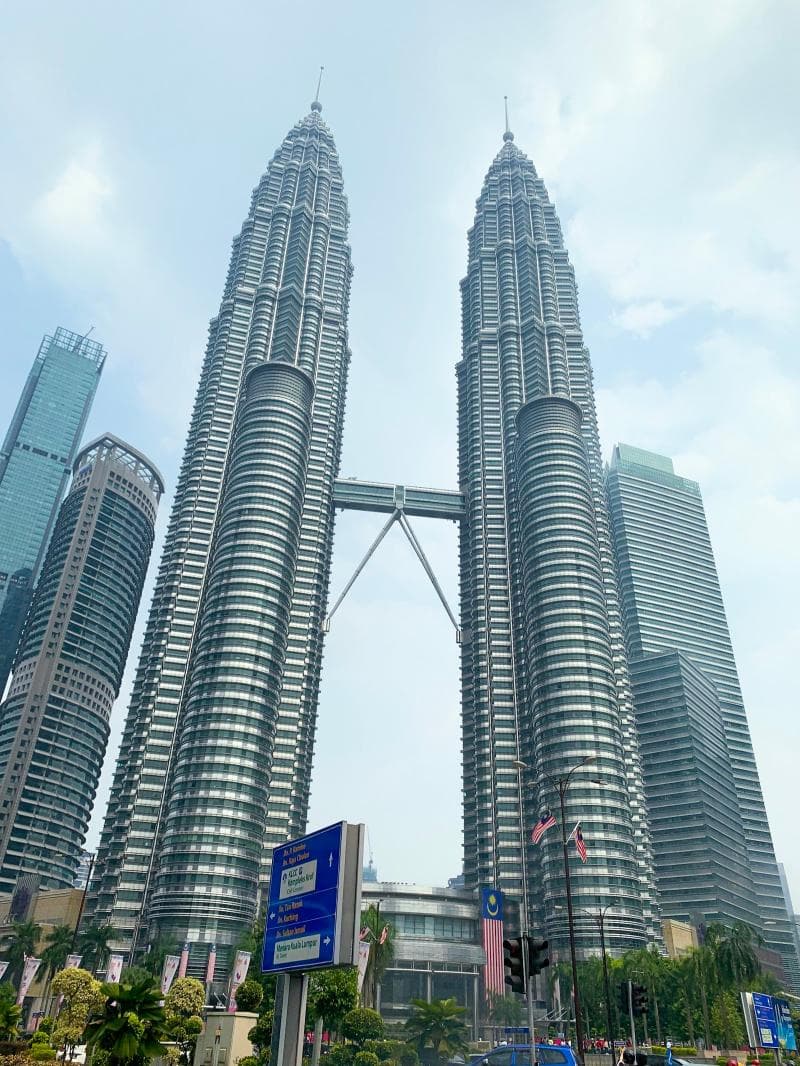
Discover KL Tower (Menara Kuala Lumpur), Malaysia's iconic telecommunication tower. Soar 421m high for breathtaking 360-degree city views, explore its rich history, and enjoy unique cultural insights in Kuala Lumpur.
Overview
Soaring majestically above Malaysia's vibrant capital, the KL Tower, also known as Menara Kuala Lumpur, stands as an iconic symbol of modern engineering and cultural heritage. Reaching an impressive height of 421 meters (1,381 feet) including its antenna, it proudly holds the title of the seventh-tallest freestanding tower in the world and the tallest telecommunication tower in Southeast Asia. While its primary role is to serve as a vital telecommunications and broadcasting facility, the KL Tower has gracefully evolved into a beloved cultural landmark and a premier tourist destination, offering unparalleled panoramic views of Kuala Lumpur. Nestled atop Bukit Nanas, the tower offers a unique juxtaposition of urban development against the lush backdrop of the KL Forest Eco Park, one of the few remaining patches of virgin rainforest within a bustling city center.
History & Cultural Background
The journey of the KL Tower began with its groundbreaking on October 1, 1991, an ambitious project envisioned to symbolize Malaysia's progress while honoring its rich heritage. Construction was a multi-phase endeavor, culminating in the topping-out ceremony on September 13, 1994, when the antenna mast was installed, marking its final height. The tower officially opened its doors to the public on July 23, 1996, and was inaugurated by Malaysia's then Prime Minister, Tun Dr. Mahathir Mohamad, on October 1, 1996.
The tower's architectural design is deeply infused with Islamic motifs, a testament to Malaysia's vibrant Islamic legacy. Visitors can observe intricate Arabic scripts, Islamic floral patterns, and traditional tile work adorning various sections. The main lobby, in particular, features exquisite glass-clad domes, known as Muqarnas, masterfully crafted by Iranian artisans from Isfahan. The overall design of the KL Tower was conceived to embody 'human's quest for perfection in life.' A notable anecdote from its construction involves the preservation of a century-old Jelutong tree (Dyera costulata) on Bukit Nanas. Builders took extraordinary measures, including constructing a retaining wall around it and shifting the tower's planned location at a cost of RM430,000, to ensure this monumental tree remained untouched.
What Makes It Special
The KL Tower distinguishes itself through a blend of awe-inspiring height and thoughtful design. Its most compelling feature is undoubtedly the breathtaking 360-degree views it offers of Kuala Lumpur's sprawling cityscape. Unlike other city observation points, the KL Tower provides an unparalleled vantage to capture the iconic Petronas Twin Towers within your panoramic photographs. Guests can choose between the comfortable indoor Observation Deck, situated at 276 meters, or venture higher to the open-air Sky Deck and the thrilling Sky Box, a glass-floored extension that dangles precariously at approximately 300 meters above ground, offering an unforgettable perspective.
Beyond its visual appeal, the tower houses the Atmosphere 360, a revolving restaurant where diners can savor meals while the city slowly rotates beneath them, providing an ever-changing backdrop. Its unique placement within the Bukit Nanas Forest Reserve further enhances its appeal, allowing visitors to experience both urban spectacle and the tranquility of an ancient rainforest in one visit. Furthermore, the KL Tower plays a significant cultural role as an Islamic falak observatory, used for sighting the crescent moon to determine the start of important Muslim months like Ramadan and Syawal.
Stories, Fun Facts & Local Details
The KL Tower is rich with narratives and interesting tidbits that deepen its appeal. The efforts to save the ancient Jelutong tree during its construction, a commitment that cost a considerable sum, highlight a reverence for nature often overlooked in major urban developments. Each year, the tower hosts the thrilling International Towerthon Challenge, a unique stair-climbing race that sees participants ascend the tower's 2,058 steps. It is also a favored spot for extreme sports enthusiasts, often featuring BASE jumping events.
The tower's distinctive globular pinnacle draws inspiration from the 'gasing,' a classic Malaysian spinning top, weaving traditional Malay culture into its modern silhouette. While its practical function is telecommunications, the tower frequently transforms into a canvas of light, illuminated in various colors to commemorate national days, support global causes, and symbolize harmony. Upon its completion, it was the tallest structure in Malaysia, a title it held until the Petronas Twin Towers rose. Engineered to withstand seismic activity, the KL Tower incorporates earthquake-resistant design, ensuring its enduring presence in the city's skyline.
Visitor Perspective
For those planning a visit to the KL Tower, a strategic approach can enhance the experience. Many seasoned travelers suggest arriving in the late afternoon. This timing allows you to witness the city in daylight, experience the magical transition of sunset, and then marvel at Kuala Lumpur's dazzling nightlights, all during a single visit. It is advisable to allocate approximately two to three hours for a relaxed exploration of the tower, with additional time if you plan to dine at the revolving restaurant or explore the surrounding KL Forest Eco Park.
While the indoor Observation Deck offers consistent views, the open-air Sky Deck and Sky Box are subject to weather conditions and may close during heavy rain or strong winds. It's wise to check weather forecasts if these outdoor experiences are a priority. Access to the tower involves a scenic ascent up Bukit Nanas, which can be done via shuttle service or a walk. Early mornings tend to be less crowded, offering a more serene viewing experience. Tickets for different viewing levels are available, and booking in advance is recommended to secure your preferred time.
Coordinates: 101.702, 3.1517
View on Google Maps💬 How Travelers Describe This Place
Based on community votes
Photogenic
869Beautiful
445Unique
416Must See
141Interesting
33
Traveler Stories
Discover memorable experiences shared by travelers who have visited this place.
No traveler stories yet.
Be the first traveler to share what made this place memorable.
Things to see at KL Tower



Tour
By
Spot
Discover amazing places around the world. Your journey starts here.
Explore
© 2026 TourBySpot. All rights reserved.