Keitakuen Garden
Osaka, Japan
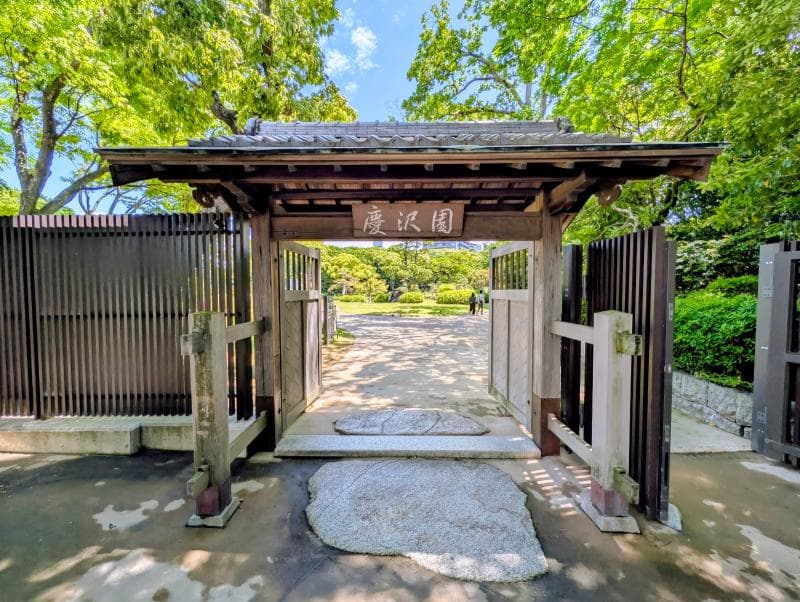
Discover Keitakuen Garden, a serene Japanese strolling garden in Osaka, Japan. Explore its rich history, intricate design, and seasonal beauty.
Overview
Nestled within the bustling Tennoji Zoo & Park Area in Osaka, Japan, Keitakuen Garden offers a serene escape, a meticulously crafted Japanese strolling garden that feels worlds away from the urban energy surrounding it. This beautiful oasis, encompassing approximately 19,800 square meters, is a prime example of a chisen-kaiyu-shiki (pond-centered stroll garden) design, inviting visitors to wander its paths and discover hidden vistas. Situated behind the stately Osaka City Museum of Fine Arts, which was once the Sumitomo family's main residence, Keitakuen Garden serves as a tranquil counterpoint to its historic neighbor and the modern cityscape, including glimpses of the towering Abeno Harukas.
Recently reopened after thoughtful renovations, the garden provides a year-round spectacle of nature, from vibrant spring blossoms to fiery autumn leaves. It's a place where tradition and natural beauty converge, offering a peaceful retreat to reflect and appreciate the artistry of Japanese landscape design.
History & Cultural Background
Keitakuen Garden carries a rich legacy, originating as the private garden of the influential Sumitomo family, prominent merchants and industrialists in Osaka since the Edo period. The family, who amassed their wealth partly from copper mines, commissioned this grand garden as part of their Chausuyama main residence.
The garden's creation was a significant undertaking, with planning commencing in 1908 and construction spanning a decade, finally reaching completion in 1918. Its masterful design is attributed to Ogawa Jihei VII, also known as Ueji, a celebrated landscape architect widely recognized for his pivotal role in establishing modern Japanese garden design. Ogawa Jihei's distinguished portfolio also includes other iconic gardens in Kyoto, such as those at Heian Shrine, Maruyama Park, and Murin-an. In a remarkable act of public generosity, the 15th head of the Sumitomo family, Kichizaemon Sumitomo (Shunsui), donated Keitakuen Garden to Osaka City in 1926, along with their residence, ensuring its beauty could be enjoyed by all. Recognizing its exceptional landscape value, the garden was designated a municipal cultural property in 1999.
What Makes It Special
What truly sets Keitakuen Garden apart is its embodiment of the chisen-kaiyu-shiki style, featuring a large central pond adorned with islands, around which a network of paths, stepping stones, and bridges invites a contemplative journey. Artificial hills gracefully shape the landscape on three sides, contributing to its varied topography.
The garden showcases a remarkable diversity of flora, boasting over 200 different plant species. This ensures a vibrant display throughout the year, from the delicate blooms of Japanese apricots and cherry blossoms in spring, to azaleas and irises, and the serene beauty of water lilies floating on the pond in summer, culminating in the brilliant hues of maple leaves in autumn. Keitakuen is also a living sanctuary, home to colorful koi fish, sun-basking turtles, and a variety of birds like egrets and herons, observable for the patient visitor.
A distinctive feature is the incorporation of 'borrowed scenery' (shakkei), where distant landmarks such as the Osaka City Museum of Fine Arts and even the ultra-modern Abeno Harukas skyscraper are harmoniously integrated into the garden's visual composition, creating a dialogue between tradition and modernity.
Stories, Fun Facts & Local Details
The name 'Keitakuen' itself holds a beautiful meaning, originally 'Keizawa-en,' given by Shunsui with the intention of representing 'the blessings of the shining age and the abundance of our ancestors.' This speaks to the profound thought and cultural significance embedded in its very inception. The enduring presence of the Sumitomo family's influence, from their copper-smelting origins in Osaka to their eventual donation of this magnificent garden, tells a compelling story of merchant wealth contributing to public heritage.
Within the garden, the elegant tea house, Choseian, along with a gazebo or pavilion situated over the water, offers tranquil spots for repose. While you can no longer order tea there, these pavilions provide a shaded refuge and a perfect vantage point for appreciating the garden's design. These spots have even become popular for photography workshops and poetry readings, blending traditional use with contemporary appreciation.
Visiting Keitakuen provides a tangible connection to Osaka's past, allowing one to step into a landscape once enjoyed by one of Japan's most powerful merchant families. Its relative quietness compared to some of Osaka's more famous attractions allows for a truly personal and introspective experience, often feeling like a 'secret Zen garden' despite its central location.
Visitor Perspective
For the curious traveler, Keitakuen Garden is a remarkably accessible haven of peace, ideally located within Tennoji Park. It's an effortless addition to an itinerary that might include the nearby Tennoji Zoo, the Osaka City Museum of Fine Arts, or the bustling Shinsekai area.
Upon entry, often for a modest fee, visitors receive pamphlets in multiple languages, aiding their exploration of the garden's diverse flora and thoughtful layout. The walking paths, stepping stones, and bridges guide you through a varied landscape, ensuring new discoveries around every bend. Even amidst the city's hum, the garden maintains an impressive sense of calm and isolation, making it an ideal spot for photography, a leisurely stroll, or simply to sit and watch the seasons unfold. The changing natural tapestry ensures that each visit, regardless of the time of year, offers a fresh perspective, making it a compelling destination for those seeking beauty and tranquility in the heart of Osaka.
Coordinates: 135.51117, 34.649808
View on Google Maps💬 How Travelers Describe This Place
Based on community votes
Photogenic
995Beautiful
989Must See
613Interesting
603Unique
581
Traveler Stories
Discover memorable experiences shared by travelers who have visited this place.
No traveler stories yet.
Be the first traveler to share what made this place memorable.

Tour
By
Spot
Discover amazing places around the world. Your journey starts here.
Explore
© 2026 TourBySpot. All rights reserved.