Jungle Swings
Bali, Indonesia
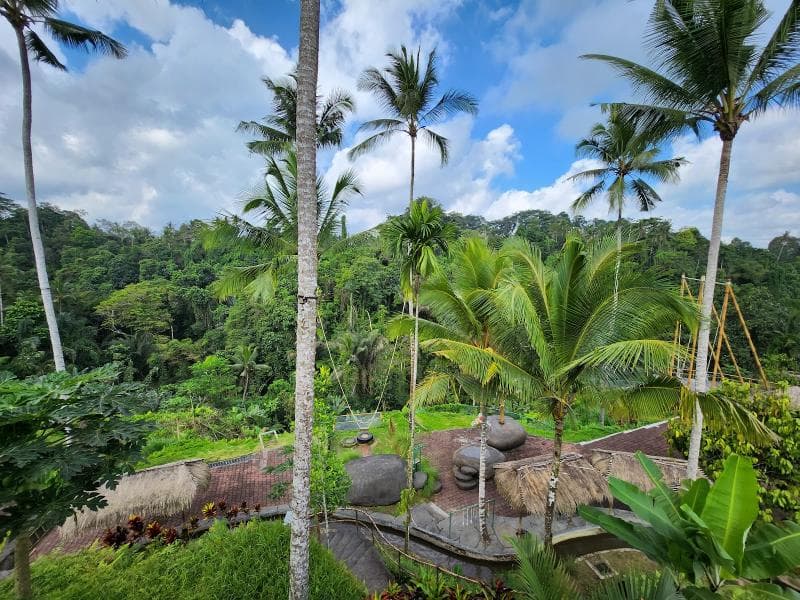
Explore Tegallalang Rice Terrace, a UNESCO World Heritage Site in Bali, Indonesia. Soar above emerald paddies on Jungle Swings for stunning views.
Overview
The Tegallalang Rice Terrace, nestled in the heart of Bali, Indonesia, stands as a breathtaking testament to human ingenuity and natural beauty. This iconic landscape, a UNESCO World Heritage Site, captivates travelers with its cascading emerald-green rice paddies that stretch across a deep valley. Located just north of Ubud, it offers a glimpse into traditional Balinese agricultural practices. Within this stunning panorama, the 'Jungle Swings' have emerged as a prominent feature, inviting visitors to soar high above the verdant terraces and capture unforgettable moments. These swings provide a unique, exhilarating vantage point, combining the thrill of flight with unparalleled scenic views of the rice fields and surrounding lush jungle.
History & Cultural Background
The history of the Tegallalang Rice Terrace is deeply intertwined with Bali's ancient agricultural heritage, particularly the 'Subak' irrigation system. Dating back to the 8th century, this sophisticated cooperative water management system was introduced by the revered sage Rsi Markandeya. The Subak system is far more than just a method of farming; it is a physical manifestation of the Balinese philosophical principle of 'Tri Hita Karana'. This philosophy emphasizes the harmonious relationship between the divine, humanity, and nature. For over a millennium, generations of Balinese farmers have meticulously carved and maintained these tiered fields, ensuring equitable water distribution through a complex network of channels and bamboo pipes. This communal approach has sustained the local population for centuries, reflecting a profound respect for the land and its life-giving resources.
What Makes It Special
What sets the Tegallalang Rice Terrace apart is its dramatic and meticulously sculpted landscape, where three primary levels of stepped paddies descend into the Ceking valley, creating a spectacular 'hanging garden' effect. The vibrant emerald green hues, especially during the planting and growing seasons, create a visually stunning tapestry that changes with the light throughout the day. Beyond its visual allure, the terraces represent an enduring example of sustainable agriculture through the Subak system, which harnesses natural gravity to nourish the crops. The addition of the Jungle Swings offers a distinctly thrilling element, allowing visitors to experience the vastness of the terraces from an exhilarating perspective. Perched at various heights along the valley rim, these swings provide an unmatched opportunity for panoramic views and iconic photographs, making the natural splendor accessible in a dynamic and memorable way.
Stories, Fun Facts & Local Details
The Subak system at Tegallalang is a living cultural heritage, where water is not merely a resource but is treated as a sacred gift from Dewi Danu, the goddess of water and lakes. This spiritual connection is evident in the small shrines made of woven palm leaves and bamboo that dot the corners of the rice fields, where daily offerings of flowers, rice, and incense are placed by local farmers. A fascinating aspect is how the appearance of the terraces transforms throughout the year; they are at their most brilliant green in March, April, September, and October, just before harvest. Outside of these times, they might turn golden-brown or even become muddy pools during replanting, offering diverse photographic opportunities. Local farmers continue to tend these fields with traditional methods, and visitors might even encounter them offering green coconut drinks or woven hats crafted from coconut leaves, providing an authentic local interaction.
Visitor Perspective
For the curious traveler, visiting the Tegallalang Rice Terrace and experiencing the Jungle Swings is an immersive journey into Bali's natural and cultural heart. Guests can explore the intricate network of narrow dirt paths that weave through the terraced fields, observing the ancient Subak system up close. For those seeking an adrenaline rush, the Jungle Swings offer a unique thrill, launching riders high above the lush canopy with spectacular views of the rice paddies below, perfect for capturing breathtaking photos. To best enjoy the serenity and avoid large crowds, it is advisable to visit in the early morning, ideally between 7:00 AM and 9:00 AM, or in the late afternoon. These times also offer cooler temperatures and optimal lighting for photography. While exploring, wearing comfortable, sturdy footwear is recommended, as paths can be uneven and occasionally muddy. The Tegallalang experience offers a rich blend of stunning landscapes, ancient traditions, and memorable adventures.
Coordinates: 115.28054, -8.43362
View on Google Maps💬 How Travelers Describe This Place
Based on community votes
Must See
995Unique
839Beautiful
388Interesting
289Photogenic
141
Traveler Stories
Discover memorable experiences shared by travelers who have visited this place.
No traveler stories yet.
Be the first traveler to share what made this place memorable.

Tour
By
Spot
Discover amazing places around the world. Your journey starts here.
Explore
© 2026 TourBySpot. All rights reserved.