Juice Stands
Barcelona, Spain
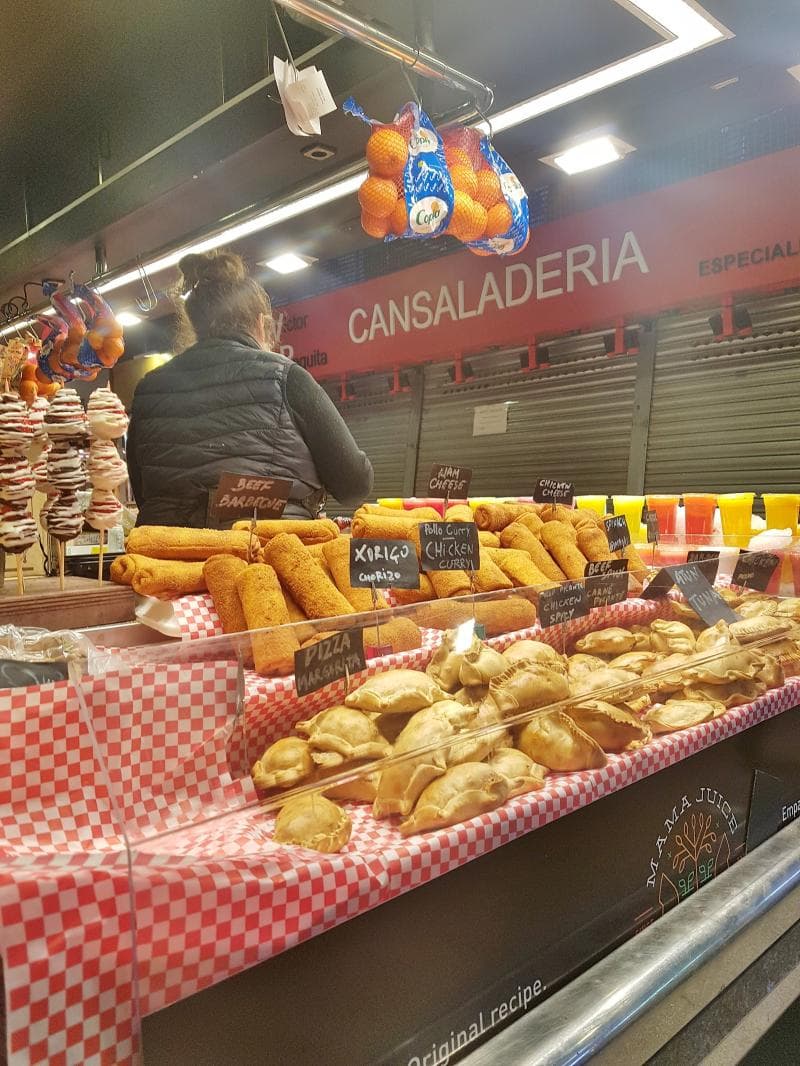
Discover the vibrant juice stands of Mercat de la Boqueria in Barcelona, Spain. Explore their history, fresh offerings, and unique appeal.
Overview
Stepping into Mercat de la Boqueria, nestled just off La Rambla in Barcelona, Spain, is an immediate immersion into a vibrant symphony of sights, sounds, and smells. Among the myriad of stalls overflowing with fresh produce, seafood, meats, and local delicacies, the juice stands stand out as particularly captivating. These colorful kiosks, often located near the market's entrance, offer an irresistible array of freshly prepared fruit juices and smoothies, showcasing the abundant natural bounty of Catalonia and beyond. They are a popular spot for both locals seeking a refreshing pick-me-up and curious travelers eager to sample the market's fresh offerings. The sheer visual impact of perfectly arranged, vibrant fruits, ready to be blended into a delicious drink, creates an inviting and energetic atmosphere that embodies the spirit of La Boqueria itself.
History & Cultural Background
Mercat de la Boqueria boasts a rich history dating back to 1217 when it began as a humble open-air meat market outside the city gates. Over centuries, it evolved, eventually finding its permanent home in its current location on La Rambla in 1840, after the demolition of the Sant Josep convent. The market officially opened in 1853, and the iconic metal roof was added in 1914, transforming it into the bustling hub it is today. While the specific history of the fresh juice stands isn't as ancient as the market itself, their proliferation reflects a contemporary appreciation for healthy, on-the-go nourishment, rooted in the market's longstanding tradition of providing the freshest seasonal produce. These stands embody the market's continuous adaptation to modern tastes while maintaining its core identity as a source of high-quality, fresh ingredients. The cultural significance lies in their role as a vibrant showcase of Spain's agricultural richness and a symbol of Barcelona's lively gastronomic scene.
What Makes It Special
The juice stands of Mercat de la Boqueria are truly special for several reasons. Foremost is the unparalleled freshness; many vendors are seen preparing juices right before your eyes, ensuring every sip is bursting with natural flavor. The visual spectacle is another key attraction. Each stall is a meticulously arranged mosaic of colorful fruits—strawberries, mangoes, pineapples, coconuts, and exotic blends—creating an Instagram-worthy display that draws visitors in. The variety on offer is astounding, ranging from classic orange juice to more adventurous concoctions like coconut and papaya or mango and passionfruit. This diversity caters to every palate, offering a delightful way to explore different fruit combinations. Furthermore, these juices provide an instant, healthy refreshment, a perfect antidote to the warmth of Barcelona's climate and the energy of navigating the busy market. They represent an accessible entry point to the market's bounty, offering a taste of its quality produce in a convenient format.
Stories, Fun Facts & Local Details
A common 'fun fact' shared among seasoned visitors is the advice to venture deeper into the market for better prices on juices. While stalls near the entrance often cater to immediate tourist demand at slightly higher costs, identical or even more unique blends can be found further inside for a more economical price, sometimes as low as €1. This subtle detail highlights the market's dual nature as both a tourist attraction and a working local market. The vibrant displays are not just for show; they are a testament to the vendors' pride in their produce and their skill in presentation, a tradition passed down through generations. Some stalls have been run by the same families for decades, contributing to the authentic local charm. The juice stands are often so popular that you might observe vendors constantly refilling their displays, a testament to the high demand for these natural elixirs. It's a small but significant part of the daily rhythm of the Boqueria, reflecting both tradition and contemporary trends in healthy eating.
Visitor Perspective
For visitors, grabbing a fresh juice at Mercat de la Boqueria is an essential part of the market experience. It's more than just a drink; it's a sensory encounter. The coolness of the juice in hand, the vibrant color, and the explosion of fresh fruit flavors offer a delightful pause amidst the market's lively hustle and bustle. It's a moment to re-energize and truly taste the essence of Spanish produce. Travelers often find themselves drawn to the kaleidoscope of colors, taking photographs before choosing their perfect blend. The affordability, especially when seeking out deals deeper inside, makes it an accessible pleasure for all. While enjoying your juice, take a moment to observe the interactions between vendors and locals, witness the careful arrangement of produce, and soak in the authentic atmosphere. It’s a simple yet profound way to connect with the local culture and appreciate the rich culinary heritage of Barcelona. Remember to be mindful of your belongings, as busy markets can attract pickpockets, ensuring your focus remains on the delightful experience.
Coordinates: 2.172018, 41.381711
View on Google Maps💬 How Travelers Describe This Place
Based on community votes
Beautiful
836Interesting
795Must See
620Unique
522Photogenic
489
Traveler Stories
Discover memorable experiences shared by travelers who have visited this place.
No traveler stories yet.
Be the first traveler to share what made this place memorable.

Tour
By
Spot
Discover amazing places around the world. Your journey starts here.
Explore
© 2026 TourBySpot. All rights reserved.