Japanese Garden
Hamburg, Germany
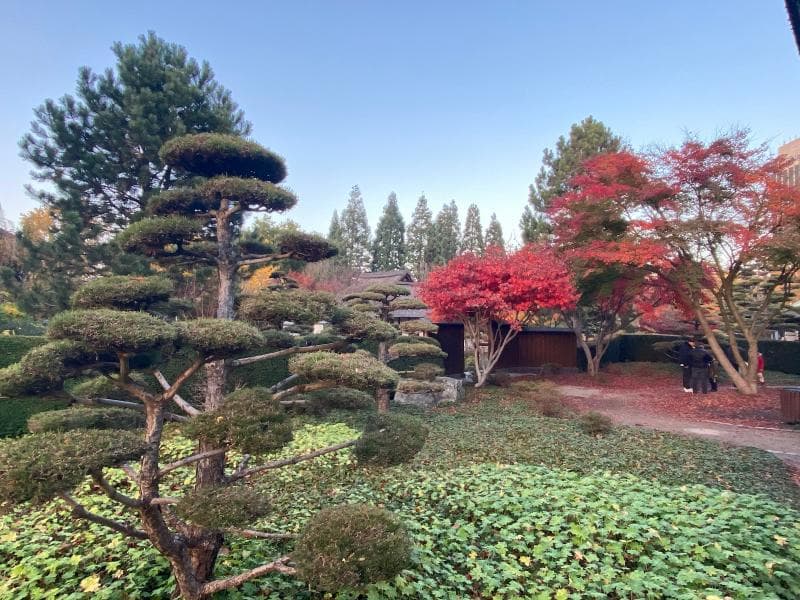
Discover Europe's largest Japanese Garden in Planten un Blomen, Hamburg, Germany. A tranquil oasis for peace and reflection.
Overview
Nestled within the sprawling urban oasis of Planten un Blomen in Hamburg, Germany, lies a truly remarkable sanctuary: the Japanese Garden. This meticulously crafted landscape offers visitors a serene escape from the city's vibrant pulse, inviting contemplation and peace. Recognized as the largest Japanese garden of its kind in Europe, it stands as a testament to authentic East Asian horticultural art and philosophy. Its design embodies harmony, balance, and natural order, creating a tranquil space that feels miles away from the bustling metropolis outside.
The Japanese Garden is a key highlight within Planten un Blomen, a 47-hectare park affectionately known as Hamburg's 'green lung'. Free to enter and open year-round, the garden is a beloved destination for both locals and travelers seeking a moment of quiet reflection amidst picturesque scenery.
History & Cultural Background
The origins of the Japanese Garden date back to a thoughtful initiative to bring a piece of East Asian culture to the heart of Hamburg. It was designed by the renowned Japanese landscape architect Yoshikuni Araki, with its main components inaugurated in 1988. The garden's authentic rustic Japanese tea house, a central feature, was established on the shore of its lake in 1990. Araki also designed other Japanese gardens in Hamburg in 1978 and 1991, making this one part of a significant body of work.
Planten un Blomen itself has a rich history, evolving from 17th-century fortifications into the expansive park it is today. While the broader park has seen various transformations, including hosting International Horticultural Exhibitions, the Japanese Garden was conceived with strict adherence to traditional Japanese design principles, ensuring its cultural integrity. This blend of Hamburg's historical green spaces with a genuine Japanese landscape offers a unique cultural dialogue.
What Makes It Special
What truly sets Hamburg's Japanese Garden apart is its scale and its faithful adherence to traditional Japanese garden design principles. As the largest Japanese garden in Europe, it provides an expansive and immersive experience. The garden features splashing waterfalls, idyllic ponds, carefully arranged rock formations, and a variety of exotic plants that contribute to its authentic atmosphere.
A centerpiece is the serene lake with its rustic tea house, a structure built entirely according to traditional Japanese architectural principles, a rarity in Germany. Visitors can explore winding paths, cross charming arched bridges over ponds that often house koi carp, and admire traditional stone lanterns. The meticulous pruning of plants, including bonsai pines and black pines, is a significant part of its beauty, with black pines symbolizing long life.
The design philosophy also incorporates concepts like 'Shakkei,' or 'borrowed landscape,' where the surrounding city environment is intentionally integrated to visually enlarge the garden and expand the view. Furthermore, elements of 'Ma,' deliberately designed emptiness, and 'Kanso,' reducing to the essentials, create a minimalist yet profoundly meaningful aesthetic.
Stories, Fun Facts & Local Details
Beyond its visual splendor, the Japanese Garden is a vibrant hub for cultural exchange. From May to September, the tea house hosts classic Japanese tea ceremonies, offering visitors a chance to partake in this centuries-old ritual that celebrates harmony, respect, and tranquility. These ceremonies are often available between 3 PM and 6 PM from Tuesday to Saturday, providing a deeply enriching experience.
The garden also offers workshops and demonstrations that delve deeper into Japanese culture. You can learn about Japanese calligraphy, participate in energetic taiko drum workshops, or discover the intricacies of Japanese perfume ceremonies. Before a tea ceremony, some visitors partake in a traditional cleansing ritual at a scoop pool, symbolizing the washing away of stress and the cleansing of the soul. The dedication to authenticity extends to the plant care; skilled gardeners spend up to two hours pruning a single black pine tree several times a year to maintain its desired form.
Visitor Perspective
Stepping into the Japanese Garden is an immediate transition into a world of calm and aesthetic pleasure. Travelers often describe it as an oasis of peace, a place where the sounds of the city fade away, replaced by the gentle rustle of leaves and the soft splashing of water. It is a place designed for quiet contemplation, whether you are simply strolling along its winding paths or finding a peaceful spot by the lake.
The garden encourages a sensory journey, with carefully arranged flora, serene water features, and subtle rock formations creating a harmonious environment. Many find it an ideal spot to relax, recharge, and connect with nature, offering a profound contrast to the usual pace of travel. It is a testament to mindful design, where every element contributes to an overarching sense of serenity, providing a memorable and culturally resonant experience for anyone visiting Hamburg. The free entry to Planten un Blomen makes this tranquil escape accessible to all.
Coordinates: 9.98333, 53.56111
View on Google Maps💬 How Travelers Describe This Place
Based on community votes
Photogenic
1.0kUnique
869Must See
416Interesting
309Beautiful
33
Traveler Stories
Discover memorable experiences shared by travelers who have visited this place.
No traveler stories yet.
Be the first traveler to share what made this place memorable.

Tour
By
Spot
Discover amazing places around the world. Your journey starts here.
Explore
© 2026 TourBySpot. All rights reserved.