Jade Gallery
Shanghai, China
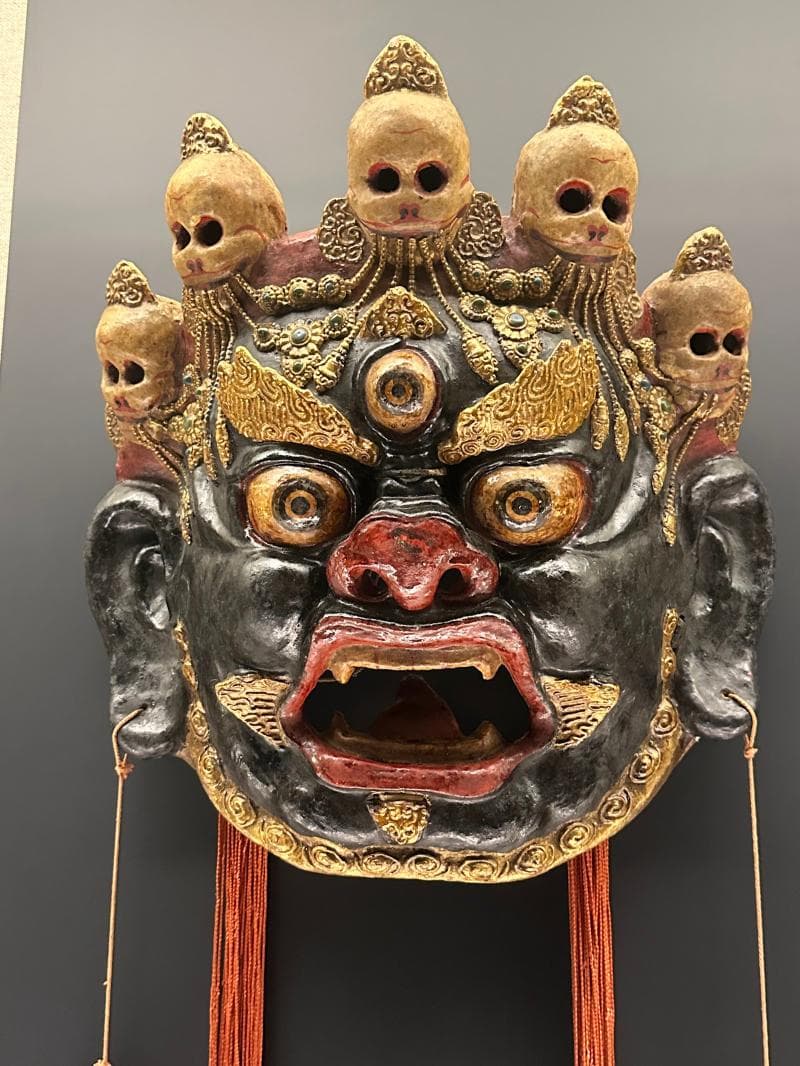
Explore the Ancient Chinese Jade Gallery at Shanghai Museum in Shanghai, China. Discover 10,000 years of jade history, art, and cultural significance.
Overview
Step into the Ancient Chinese Jade Gallery at the Shanghai Museum, a captivating space dedicated to one of China's most cherished cultural treasures. This gallery, nestled within the renowned Shanghai Museum in Shanghai, China, presents an extraordinary collection of approximately 300 jade artifacts, spanning a remarkable 10,000-year history from the Neolithic era to the Qing Dynasty. It offers a comprehensive journey through the evolution of jade art and its profound significance in Chinese civilization. Visitors can explore a rich array of objects, from ceremonial tools and ritual vessels to exquisite ornaments and burial artifacts, each telling a unique story of ancient China's artistry and beliefs.
History & Cultural Background
Jade holds a unique and revered position in Chinese culture, often referred to as the 'Stone of Heaven'. Its tradition of carving dates back as far as ten millennia, making China the 'Country of Jade'. Unlike other cultures that also prized jade, the Chinese have maintained an enduring fascination with this precious stone, imbuing it with deep symbolic meanings. Ancient Chinese believed jade served as a medium for communicating with ancestors, deities, and the heavens. It was worn as an amulet for protection, symbolized wealth, power, and identity, and was even thought to be an elixir of life.
Confucian philosophy further elevated jade, associating its inherent qualities—subtle translucency, pristine whiteness, and remarkable durability—with the virtues of a 'junzi' or ideal gentleman, encompassing benevolence, righteousness, wisdom, courage, and moral integrity. This moralization cemented jade's role deep within China's national character. Early ritual objects like the circular 'bi' discs, often symbolizing the sky, and 'cong' tubes, representing the earth, underscore jade's cosmic and religious importance from as early as the Liangzhu culture in the 3rd millennium BCE.
What Makes It Special
The Shanghai Museum's Jade Gallery is exceptional due to the sheer historical breadth and artistic quality of its collection. It beautifully illustrates how jade evolved from sacred ritual objects in prehistoric times to symbols of authority and refined artistic expression in later dynasties. Highlights include fascinating jade human figures from the Shijiahe Culture, believed to depict ritual specialists. One such humanoid-deity figure, housed in the museum, is remarkably intact with crystal-clear jade texture and superb craftsmanship, potentially being the only extant piece of its kind globally.
The gallery also showcases elegant dragon-shaped jade pendants from the Shang and Western Zhou periods, where jade, alongside bronze, formed the bedrock of ritual practices and the dragon emerged as a potent symbol of authority. Later pieces, such as beautifully carved jade belt hooks from the Warring States period and intricate jade sword fittings from the Han Dynasty, exemplify how martial prestige blended with refined craftsmanship. Some Han Dynasty jade sword fittings bear the 'Shangfang' inscription, signifying their origin from imperial workshops, making them rare witnesses to the artistry and authority of the Han Empire.
Stories, Fun Facts & Local Details
One of the most intriguing historical uses of jade in China was its role in preserving the deceased. Aristocrats during the Han Dynasty were sometimes interred in elaborate jade burial suits, sewn with gold thread, in the belief that jade would prevent the body's decay and preserve the souls attached to it. Beyond the afterlife, jade was also thought to have practical benefits for the living, such as combating fatigue.
Historically, the creamy white 'mutton-fat' nephrite jade was the most highly prized variety in China. However, by the 19th century, vibrant green jadeite, often sourced from Burma and known as 'Kingfisher Jade', gained immense popularity among China's imperial scholars and rulers, broadening the aesthetic appreciation for the stone's diverse colors. The gallery allows visitors to trace this artistic evolution and appreciate the mastery involved in transforming a hard stone into objects of such delicate beauty and profound meaning.
Visitor Perspective
A visit to the Jade Gallery within the Shanghai Museum is an immersive cultural experience. Informational plaques are thoughtfully provided, offering historical context, detailing production methods, explaining the intricate symbolism, and shedding light on the social status associated with each jade object. To truly appreciate the artistry, visitors are encouraged to lean in and observe the tiny carved details—the expressions, clothing, and decorative motifs—which reveal the extraordinary skill and aesthetic sophistication of ancient Chinese jade artisans. The Shanghai Museum itself is conveniently located on People's Square, making it a central and accessible destination for curious travelers. Admission to the museum is generally free, though online booking for tickets may be required.
Coordinates: 121.469, 31.2248
View on Google Maps💬 How Travelers Describe This Place
Based on community votes
Photogenic
623Must See
363Interesting
302Beautiful
250Unique
88
Traveler Stories
Discover memorable experiences shared by travelers who have visited this place.
No traveler stories yet.
Be the first traveler to share what made this place memorable.

Tour
By
Spot
Discover amazing places around the world. Your journey starts here.
Explore
© 2026 TourBySpot. All rights reserved.