Jabal al-Rahmah
Mecca, Saudi Arabia
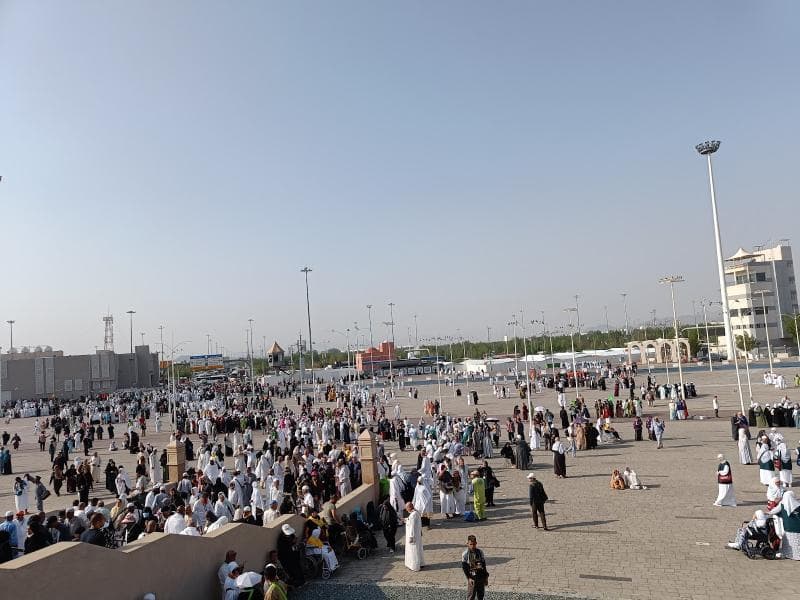

Explore Jabal al-Rahmah, the 'Mountain of Mercy,' within Mount Arafat in Mecca, Saudi Arabia. Discover its profound history, spiritual significance, and cultural stories.
Overview
Jabal al-Rahmah, often translated as the 'Mountain of Mercy,' is a prominent, small granite hill situated within the vast expanse of Mount Arafat, approximately 20 kilometers southeast of Mecca, in Saudi Arabia. This modest hill, standing about 65-70 meters above the surrounding plain, is easily recognizable by a distinctive white pillar or obelisk at its summit. While not imposing in size, its spiritual stature for millions of Muslims worldwide is immense. It serves as a central point of reflection and prayer, particularly during the annual Hajj pilgrimage.
Its location within the Plain of Arafat makes it an undeniable focal point during the most crucial day of Hajj, the Day of Arafah. Pilgrims gather across this plain, with many making their way towards Jabal al-Rahmah, drawn by its profound historical and religious significance. The mountain is a symbol of divine mercy, forgiveness, and the hope of new beginnings, embodying the essence of repentance and spiritual purification during the sacred rituals.
History & Cultural Background
The history of Jabal al-Rahmah is deeply intertwined with foundational narratives of Islam. One widely held tradition suggests it was the place where Prophet Adam and Hawa (Eve) were reunited on Earth after their descent from Paradise. Their repentance was accepted here, leading to the mountain's association with mercy and forgiveness. This poignant story imbues the site with a sense of reconciliation and the possibility of divine grace.
Even more universally recognized is its connection to Prophet Muhammad (peace be upon him). During his Farewell Hajj, in the 10th year of Hijrah (632 CE), the Prophet delivered his pivotal Farewell Sermon from Mount Arafat, near where Jabal al-Rahmah stands. This sermon outlined fundamental principles of Islam, emphasizing equality, justice, the rights of women, and the sanctity of life and property. It was a comprehensive message that solidified the teachings of Islam for his followers. While he delivered the sermon from the plain, its proximity to Jabal al-Rahmah has cemented the mountain's place in Islamic history as a witness to this momentous event.
What Makes It Special
What truly distinguishes Jabal al-Rahmah is its profound spiritual role during the Day of Arafah, the 9th day of Dhul Hijjah, which is the zenith of the Hajj pilgrimage. On this day, millions of pilgrims converge upon the Plain of Arafat, engaging in a contemplative vigil known as Wuquf. The Prophet Muhammad famously stated, 'Hajj is Arafat,' signifying that the successful completion of Hajj hinges on being present in Arafat on this day.
While the entire plain of Arafat holds immense spiritual value, Jabal al-Rahmah, the 'Mountain of Mercy,' symbolizes the intense seeking of Allah's mercy and forgiveness that characterizes this day. Pilgrims stand in deep supplication, reflecting on their lives, seeking pardon for sins, and praying for blessings. Although climbing the hill is not a required ritual of Hajj, many pilgrims choose to ascend it as a symbolic gesture, hoping to draw closer to the divine presence and emulate the Prophet's spiritual journey. The white pillar at its peak marks a traditional spot of prayer and reflection.
Stories, Fun Facts & Local Details
The narrative of Adam and Eve's reunion on Jabal al-Rahmah adds a layer of poignant storytelling to the site. Separated after leaving Paradise, their eventual meeting and the acceptance of their repentance here speak volumes about divine compassion and the power of sincere remorse. This story underscores the mountain's very name, 'Mountain of Mercy,' as it became a place where Allah's infinite mercy was manifested.
Another fascinating aspect is the Farewell Sermon delivered by Prophet Muhammad. This powerful address, made to an estimated 100,000 companions, laid down universal human rights principles long before modern conventions. His message of equality, rejection of racism, advocacy for women's rights, and the importance of brotherhood continues to resonate globally. The simple white pillar at the summit of Jabal al-Rahmah acts as a silent marker for this historical event, guiding pilgrims to a spot where such profound words were once uttered.
Historically, the mountain has been known by other names too, including 'al-Qurain' and 'Jabal al-Duaa' (Mount of Supplication), reflecting its enduring role as a place for fervent prayers. The sheer devotion witnessed here, especially during Hajj, is an awe-inspiring sight, reinforcing its identity as a beacon of hope and spiritual renewal.
Visitor Perspective
Visiting Jabal al-Rahmah offers a uniquely profound experience, whether during the bustling Hajj season or at quieter times of the year. During Hajj, the Plain of Arafat transforms into a sea of white as millions of pilgrims, dressed in ihram garments, fill the landscape. The atmosphere is one of overwhelming solemnity, shared devotion, and deep introspection. Despite the crowds, a powerful sense of unity and spiritual camaraderie pervades the air. Authorities ensure safety and provide essential services, including medical aid, food, and water.
Outside of Hajj, the area is much calmer, allowing for a more serene contemplation of the site's history and significance. Visitors can ascend the stone steps to the summit, touch the white pillar, and reflect on the events that unfolded there. While a physical climb is not mandatory for spiritual benefit, many find the journey to the top a deeply moving experience. Regardless of when one visits, maintaining respect for the sacredness of the location and adhering to local guidelines ensures a meaningful and enriching encounter with this pivotal site in Islamic heritage.
Coordinates: 39.98389, 21.35472
View on Google Maps💬 How Travelers Describe This Place
Based on community votes
Beautiful
934Must See
741Unique
276Interesting
30Photogenic
16
Traveler Stories
Discover memorable experiences shared by travelers who have visited this place.
No traveler stories yet.
Be the first traveler to share what made this place memorable.

Tour
By
Spot
Discover amazing places around the world. Your journey starts here.
Explore
© 2026 TourBySpot. All rights reserved.