Islamic Library
Dushanbe, Tajikistan
Discover Haji Yakoub Mosque in Dushanbe, Tajikistan – a historic center of Islamic worship, learning, and architectural beauty.
Overview
Nestled in the vibrant heart of Dushanbe, Tajikistan, the Haji Yakoub Mosque stands as a profound testament to the nation's rich Islamic heritage and enduring cultural identity. More than just a place of worship, this venerable institution serves as a pivotal center for spiritual life and Islamic learning. While specific details of a distinct, publicly branded 'Islamic Library' within its current complex are not widely documented, the mosque itself, particularly through its historical association with the Islamic Institute of Tajikistan, embodies a deep tradition of preserving and propagating religious knowledge. It is a place where centuries of devotion and scholarship converge, offering a serene sanctuary for reflection and study.
The mosque's architecture, a harmonious blend of Persian and Tajik styles, invites visitors to step into a world where intricate craftsmanship tells stories of faith and artistry. It remains an active and revered landmark, symbolizing the resilience of Islamic culture in Tajikistan through various historical epochs. Whether seeking spiritual solace or a deeper understanding of Central Asian Islamic traditions, the Haji Yakoub Mosque provides a unique and meaningful experience for every curious traveler.
History & Cultural Background
The Haji Yakoub Mosque boasts a history stretching back over 200 years, with its origins tracing to 1856. The site was originally founded through the generous support of Haji Yakoub and his mother. Named after Haji Yakoub, a respected Tajik religious figure, the mosque has long reflected a profound tradition of Islamic worship and learning in the region.
The main structure visible today was constructed between 1905 and 1910, shaping its distinctive architectural form. Over the decades, the mosque has undergone several renovations and expansions, transforming it into the grand and significant edifice it is today. Notably, major restoration work was carried out after Tajikistan's independence in 1991, particularly in the late 1990s, symbolizing a period of Islamic revival in the country. The mosque's history is deeply intertwined with the political and social changes of Tajikistan, serving as a steadfast focal point for the Muslim community even during Soviet-era restrictions on religious practices.
What Makes It Special
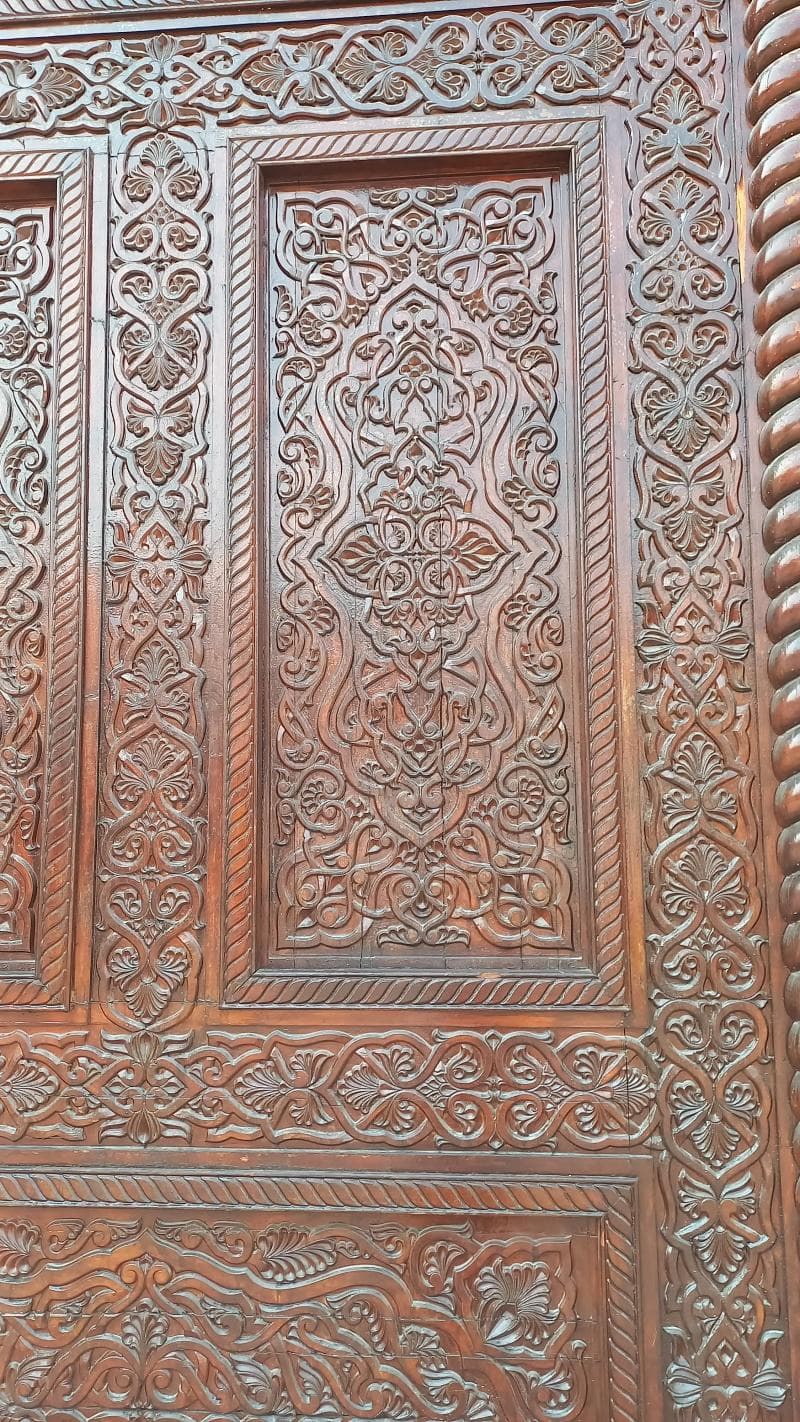
The Haji Yakoub Mosque is distinguished by its captivating architectural elements, which showcase a beautiful fusion of Persian and Tajik styles. Visitors are often struck by the intricate carvings, decorative elements, arched windows, and patterned mosaic (mo'araq) tiles that adorn its walls and columns. A tall crescent-topped minaret and a dome with a golden finish define the complex's skyline, creating an iconic landmark in Dushanbe.
Beyond its aesthetic appeal, the mosque holds immense significance as a center for Islamic learning and culture. It currently houses the Islamic Centre of the Republic of Tajikistan, an institution vital for promoting Islamic education and cultural activities within the country. While the Islamic Institute of Tajikistan, which would undoubtedly have maintained a library of religious texts for its scholars and students, was formerly based here, it has since relocated. However, the mosque's ongoing role as a hub for the Islamic Centre and its tradition of scholarship mean it remains a profound repository of religious knowledge. Its very essence contributes to the preservation and dissemination of Islamic intellectual traditions.
Stories, Fun Facts & Local Details
The Haji Yakoub Mosque offers more than just historical and architectural grandeur; it provides a glimpse into the living spiritual and cultural tapestry of Tajikistan. One fascinating aspect is its role in incorporating Tajik national traditions of cult construction and art, visible in both its general layout and the intricate decorations of its facades, walls, and interior.
The mosque's enduring presence, having withstood periods of significant political and social change, including Soviet-era restrictions, speaks volumes about the resilience of faith in Tajikistan. It is often compared to the much larger Dushanbe Central Mosque, but the Haji Yakoub Mosque holds a distinct and more historical role within the city. The fine craftsmanship, including the carved wooden columns along the porches and the elaborate mosaic work, are a testament to the skill of local artisans who imbued the structure with deep cultural meaning. Observing the details provides a connection to the rich artistic traditions of the Persianate world.
Visitor Perspective
For those interested in experiencing the Haji Yakoub Mosque, it offers a deeply immersive cultural and spiritual encounter. As an active place of worship, visitors are encouraged to be mindful and respectful of local customs. Modest dress is essential; women are generally expected to wear a headscarf when entering the mosque. It is also advisable to plan your visit outside of prayer times to ensure a more serene and respectful experience, especially if you wish to explore the architectural details.
Located centrally in Dushanbe, the mosque is easily accessible, making it a convenient and enriching stop on any itinerary. Its serene atmosphere provides a peaceful space for quiet contemplation, whether you are a devout individual or simply a traveler seeking to understand the spiritual heart of Tajikistan. The mosque not only showcases architectural beauty and historical depth but also remains a vibrant center where the community gathers, fostering a sense of continuity and shared heritage.
Coordinates: 68.784041, 38.587776
View on Google Maps💬 How Travelers Describe This Place
Based on community votes
Must See
726Beautiful
717Photogenic
449Unique
335Interesting
22
Traveler Stories
Discover memorable experiences shared by travelers who have visited this place.
No traveler stories yet.
Be the first traveler to share what made this place memorable.

Tour
By
Spot
Discover amazing places around the world. Your journey starts here.
Explore
© 2026 TourBySpot. All rights reserved.