Islamic Calligraphy
Istanbul, Turkey
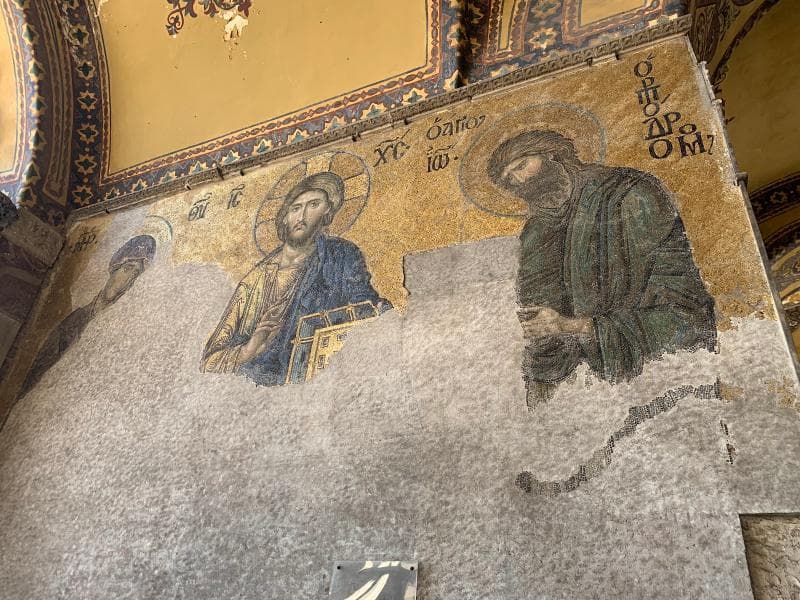
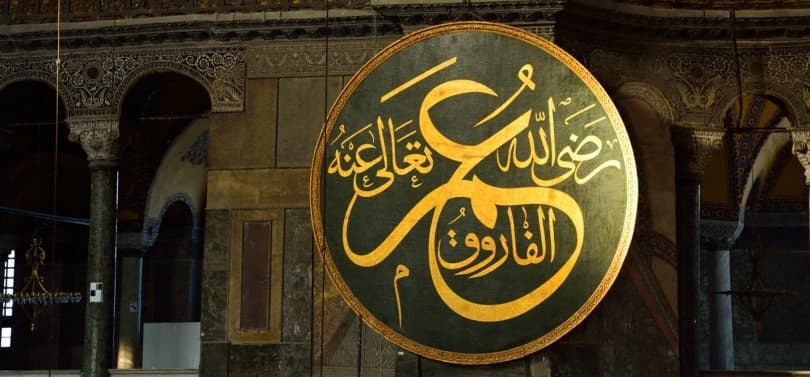
Discover the majestic Islamic calligraphy of Hagia Sophia in Istanbul, Turkey, including the colossal 19th-century medallions and their historical significance.
Overview
Stepping into the Hagia Sophia in Istanbul, Turkey, is to journey through centuries of architectural and cultural evolution. Among its most striking features are the monumental Islamic calligraphy panels that grace its interior, serving as profound symbols of its rich and layered history. These colossal works of art, particularly the large circular medallions, represent a pivotal chapter in the Hagia Sophia's story, reflecting its transformation from a grand Byzantine basilica into an imperial Ottoman mosque. They command attention, inviting visitors to ponder the intricate dialogue between two of the world's great civilizations embodied within these walls.
History & Cultural Background
The Hagia Sophia, originally constructed as a Christian cathedral in the 6th century, underwent a significant conversion following the Ottoman conquest of Constantinople in 1453. With its new role as a mosque, Islamic architectural and artistic elements were gradually integrated. While some early Islamic additions included a mihrab and minbar, the most prominent calligraphic works, the enormous roundels, were installed much later. These eight majestic panels were commissioned during the reign of Sultan Abdülmecid I, between 1847 and 1849, as part of extensive restoration efforts led by the Swiss-Italian Fossati brothers. The master calligrapher responsible for these masterpieces was Kazasker Mustafa İzzet Efendi, a leading figure in Ottoman calligraphy. His work was not merely decorative; Islamic calligraphy held immense spiritual and cultural significance, considered the highest form of art for its role in beautifying sacred texts and names. It represents a profound artistic tradition where the divine word is rendered with exquisite skill and devotion.
What Makes It Special
The Islamic calligraphy in Hagia Sophia is particularly special due to its sheer scale and deliberate integration into a pre-existing Byzantine structure. The eight circular medallions are among the largest examples of Islamic calligraphy in the world, each measuring approximately 7.5 meters (almost 25 feet) in diameter. These magnificent wooden panels feature golden Arabic inscriptions set against a dark background, creating a visually dramatic contrast that is noticeable from anywhere within the vast nave. Each medallion bears a sacred name: Allah (God), Muhammad (the Prophet of Islam), the first four Caliphs (Abu Bakr, Umar, Uthman, and Ali), and the Prophet's grandsons (Hasan and Husayn). İzzet Efendi employed the elegant and sweeping Jali Thuluth script, renowned for its clarity and suitability for architectural scale, to ensure the legibility and impact of these profound religious statements. Their deliberate positioning on the main columns supporting the dome helps balance the immense interior space, anchoring the visual experience for all who enter.
Stories, Fun Facts & Local Details
A fascinating anecdote surrounds the immense size of these calligraphic medallions. When Hagia Sophia was converted into a museum in 1935, there were discussions about removing them. However, their colossal dimensions proved to be a logistical challenge – they were simply too large to fit through the existing doors! Consequently, they were left in place, eventually to be re-mounted, ensuring their continued presence as an integral part of the building's identity. This incident highlights their monumental scale and the enduring nature of their artistic and symbolic value. The medallions serve as a powerful 'visual bridge' between the Christian and Islamic eras of Hagia Sophia, harmoniously coexisting with the underlying Byzantine mosaics (some of which were covered and later revealed). Their suspended position, slightly angled downwards by a chain system, was a clever design choice to enhance readability from the ground, adding to their dramatic effect.
Visitor Perspective
For the curious traveler, encountering the Islamic calligraphy in Hagia Sophia is an awe-inspiring experience. As your gaze sweeps upwards towards the immense dome, these giant, circular panels immediately draw the eye. Their presence is a profound reminder of the Hagia Sophia's multifaceted history, a testament to its role as a sacred space that has continuously adapted and absorbed different religious and cultural expressions. Visitors often find themselves craning their necks, trying to decipher the golden script, feeling the weight of history and devotion that each stroke embodies. The contrast between the ancient Byzantine gold mosaics and the more recent Ottoman calligraphy creates a unique visual narrative, speaking to the dialogue between empires and faiths. It's an invitation to appreciate not just the artistry, but also the spirit of continuity and transformation that defines this remarkable Istanbul landmark. Observing these magnificent works helps one grasp the monumental shifts in belief and power that have shaped this iconic structure over centuries.
Coordinates: 28.98, 41.00833
View on Google Maps💬 How Travelers Describe This Place
Based on community votes
Interesting
953Beautiful
695Photogenic
658Must See
396Unique
22
Traveler Stories
Discover memorable experiences shared by travelers who have visited this place.
No traveler stories yet.
Be the first traveler to share what made this place memorable.

Tour
By
Spot
Discover amazing places around the world. Your journey starts here.
Explore
© 2026 TourBySpot. All rights reserved.