International Gardens
Chiang Mai, Thailand
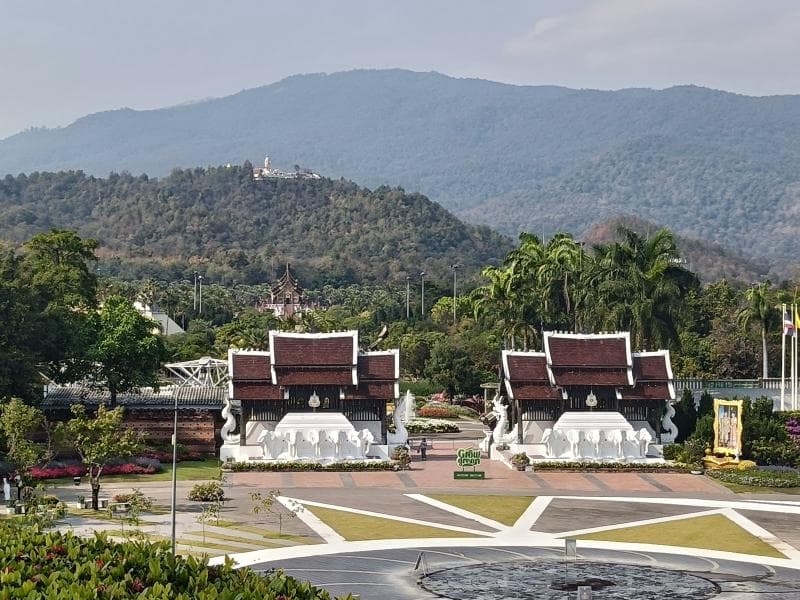
Discover the International Gardens at Royal Park Rajapruek, Chiang Mai, Thailand. Explore diverse global flora and cultural landscapes in this stunning botanical park.
Overview
Nestled within the sprawling Royal Park Rajapruek in Chiang Mai, Thailand, the International Gardens offer a unique botanical journey across the globe. This distinctive section of the park presents a vibrant mosaic of horticultural styles and plant species from various countries, inviting visitors to experience a world tour in one serene location. Originally conceived as a key feature of the Royal Flora Ratchaphruek International Horticultural Exposition in 2006, the International Gardens have since evolved into a permanent testament to global botanical diversity and cultural exchange.
The Royal Park Rajapruek itself spans over 200 acres and was established to commemorate significant royal milestones: the 60th anniversary of King Bhumibol Adulyadej's accession to the throne and his 80th birthday. It serves not only as a beautiful tourist attraction but also as a vital center for botanical education, agro-tourism, and plant research.
History & Cultural Background
The genesis of the International Gardens is deeply interwoven with Thailand's reverence for its monarchy and its commitment to botanical excellence. The Royal Flora Ratchaphruek 2006, the grand international horticultural exposition, was a pivotal event that showcased Thailand's horticultural prowess while honoring King Bhumibol Adulyadej. Following the immense success of this exposition, which attracted millions of visitors, the site was officially renamed Royal Park Rajapruek in 2010.
The name 'Rajapruek' holds profound cultural significance, referring to the golden shower tree (Cassia fistula Linn), Thailand's national flower. This magnificent tree, with its cascades of yellow blossoms, symbolizes the unity and continuity of the Thai nation and is often associated with the revered monarchy. The decision to maintain and develop the international gardens after the exposition reflected a desire to foster ongoing cultural understanding through horticulture, making it a living legacy of the initial royal celebration. The park is now managed by the Highland Research and Development Institute, which continues its mission of conservation and sustainable development.
What Makes It Special
The true charm of the International Gardens lies in their ability to transport visitors to diverse landscapes without ever leaving Chiang Mai. Imagine strolling through a meticulously crafted Japanese garden, complete with raked gravel and traditional stone lanterns, and then, just a short distance away, finding yourself amidst the vibrant colors and distinctive architecture of a Chinese or Indian garden.
Each international garden, contributed by participating nations during the original exposition, was designed to reflect the unique horticultural and cultural identity of its respective country. This global assembly of flora and design creates a visually stunning and intellectually stimulating experience. Beyond the aesthetics, the park's dedication to plant conservation and research, holding prestigious accreditations like Level 3 ArbNet, highlights its role as a significant botanical institution. The careful maintenance of these diverse ecosystems within a tropical climate is a remarkable feat, showcasing the adaptability of plants and the skill of the park's horticulturists.
Stories, Fun Facts & Local Details
During the Royal Flora Ratchaphruek 2006, approximately 30 nations participated, with 21 countries creating dedicated show gardens, leaving behind a rich legacy of international cooperation. Among the unique displays, visitors can discover not only gardens from countries like Japan, China, and India, but also fascinating concepts such as a 'Mars garden,' pushing the boundaries of horticultural imagination.
The symbolism of the Rajapruek tree, Thailand's national flower, is particularly poignant. Its golden-yellow blossoms are not only beautiful but also culturally significant, echoing the color of Buddhism and symbolizing the unity of the Thai people. The park also actively champions sustainability, utilizing green technologies like solar panels and water recycling systems, with an ambitious goal to achieve net-zero emissions by 2027. This commitment extends to cultivating over 23,000 plant species and researching medicinal plants and climate-resilient flora.
Visitor Perspective
Exploring the International Gardens requires comfortable footwear, as the park is vast. Fortunately, a convenient hop-on/hop-off tram service and bicycle rentals are available to help navigate the expansive grounds, making it accessible for all. The park typically welcomes visitors daily from 8:00 AM to 6:00 PM, though it's often recommended to visit in the early morning or late afternoon to avoid the midday heat and humidity.
The period from December to February is often considered the best time to visit, as the cooler weather and vibrant floral displays make for an even more enjoyable experience. While admiring the intricate beauty, visitors are reminded of polite customs, such as refraining from picking flowers and removing shoes before entering certain royal pavilions. Located about 10-14 kilometers southwest of Chiang Mai's city center, reaching Royal Park Rajapruek usually involves a taxi, Grab, or private transport, as direct public bus services are limited.
Coordinates: 98.92388, 18.75035
View on Google Maps💬 How Travelers Describe This Place
Based on community votes
Interesting
948Photogenic
913Beautiful
595Must See
358Unique
196
Traveler Stories
Discover memorable experiences shared by travelers who have visited this place.
No traveler stories yet.
Be the first traveler to share what made this place memorable.

Tour
By
Spot
Discover amazing places around the world. Your journey starts here.
Explore
© 2026 TourBySpot. All rights reserved.