Interactive Hajj Experience Room
Mecca, Saudi Arabia
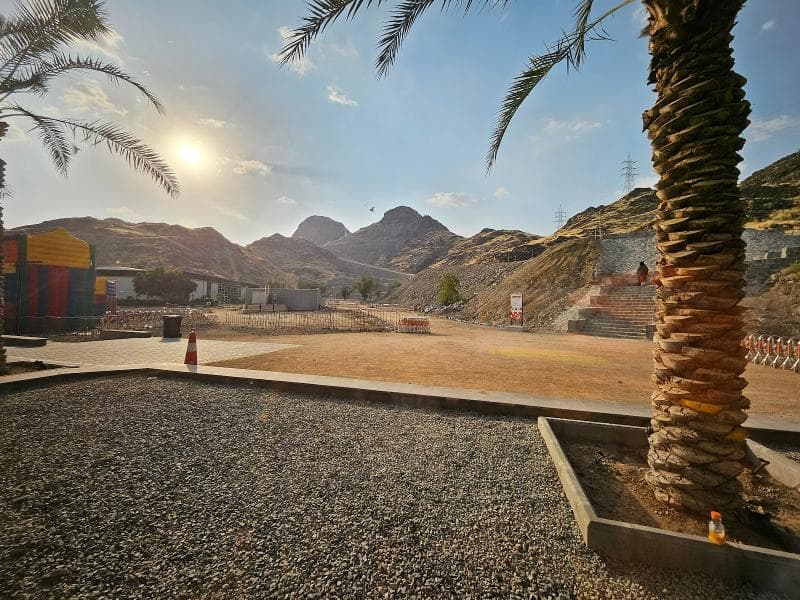
Explore the Makkah Museum in Mecca, Saudi Arabia, through its interactive exhibits on Islamic history and the Hajj pilgrimage. Discover Makkah's rich heritage.
Overview
The Makkah Museum, housed within the magnificent Al-Zaher Palace in Mecca, Saudi Arabia, offers a compelling journey through the rich history and profound cultural heritage of this holy city. While not explicitly featuring a single named 'Interactive Hajj Experience Room,' the museum is renowned for its diverse interactive exhibits and digital displays that collectively illuminate the story of Makkah, its archaeological past, and the foundational elements of Islam, which are inextricably linked to the Hajj pilgrimage. Visitors can explore a vast collection of artifacts, manuscripts, and architectural models that bring the historical and spiritual essence of Makkah to life.
This cultural institution serves as an essential stop for anyone seeking to deepen their understanding of the Islamic faith and the sacred journey of Hajj, presenting its content through modern, engaging methods designed for a global audience.
History & Cultural Background
The Makkah Museum finds its home in the historic Al-Zaher Palace, a structure that itself embodies a layer of Makkah's modern history. Originally constructed as a royal palace to host dignitaries and guests of the Haramayn (the two holy mosques), it was later transformed into a public museum. This conversion underscores a commitment to preserving and sharing the region's heritage. The museum's collections span various periods of Islamic history and the unique history of Makkah, showcasing the archaeological findings from across the Arabian Peninsula. These exhibits include ancient pottery, coins, tools, and inscriptions, providing a tangible link to past societies and their contributions to the region's development.
Understanding the context of Hajj is enhanced by exploring the geological history of Makkah, the biography of the Prophet Muhammad (peace be upon him), and the architectural evolution of the Masjid al-Haram, all of which are central themes within the museum's galleries.
What Makes It Special
What truly distinguishes the Makkah Museum, particularly for those interested in the Hajj, are its integrated interactive exhibits and live digital displays. These contemporary presentations go beyond static artifacts, offering dynamic insights into the early stages of Islam and the historical evolution of Makkah. The museum utilizes multimedia kiosks, short films, and touchscreens, making complex historical and logistical information accessible and engaging for visitors of all ages. While not a singular 'Hajj simulation room,' these interactive elements allow for a profound connection to the historical and spiritual journey of pilgrimage.
The museum's commitment to accessibility is further demonstrated through its multilingual content, ensuring that pilgrims and travelers from diverse linguistic backgrounds can fully appreciate the displays and narratives. Guided tours led by knowledgeable experts also enrich the experience, providing deeper context and answering questions about the exhibits, including those pertaining to faith and cultural history.
Stories, Fun Facts & Local Details
Within the Makkah Museum, the narrative of the Hajj is woven into the broader tapestry of Makkah's history. Visitors might discover how ancient trade routes influenced the pilgrimage pathways, or observe models depicting the early architecture of the city, including the Masjid al-Haram. The museum houses precious manuscripts and well-preserved Qurans, some dating back to the time of the Prophet Muhammad (PBUH), which indirectly connect to the spiritual journey of pilgrims. The very structure of the Al-Zaher Palace, with its distinctive stone carving and cutwork design reflecting Islamic architectural styles, provides an interesting local detail.
Workshops on traditional local arts and crafts, such as pottery-making and calligraphy, are also regularly organized, offering a hands-on experience of Saudi culture and its deep artistic heritage, which has long been intertwined with the service of the holy sites and the needs of pilgrims.
Visitor Perspective
For a curious traveler or a devout pilgrim, the Makkah Museum offers an immersive and reflective experience. The interactive displays, while not a full Hajj simulation, provide an educational environment that allows one to grasp the historical depth and spiritual significance of the pilgrimage. Observing the artifacts, engaging with digital timelines, and understanding the evolution of the Grand Mosque contribute to a more informed and appreciative outlook on the Hajj.
The museum acts as a valuable complement to the spiritual journey, offering a calm space for learning and reflection. It helps to contextualize the rituals performed in the Haram, illustrating how pilgrims traveled centuries ago, and how the rich heritage of Makkah developed alongside the sacred rites. This engaging approach makes the history of Islam and the Hajj accessible and memorable for all who visit Mecca.
Coordinates: 39.82563, 21.42664
View on Google Maps💬 How Travelers Describe This Place
Based on community votes
Beautiful
934Must See
741Unique
276Interesting
30Photogenic
16
Traveler Stories
Discover memorable experiences shared by travelers who have visited this place.
No traveler stories yet.
Be the first traveler to share what made this place memorable.

Tour
By
Spot
Discover amazing places around the world. Your journey starts here.
Explore
© 2026 TourBySpot. All rights reserved.