Interactive Exhibits
Brussels, Belgium
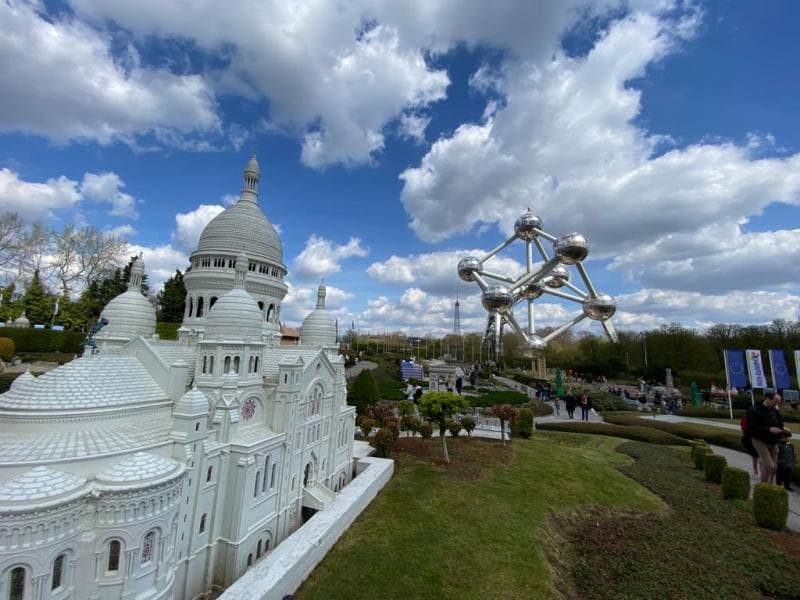
Explore Mini-Europe's interactive exhibits in Brussels, Belgium, bringing miniature landmarks and European history to life with hands-on features.
Overview
The ‘Interactive Exhibits’ at Mini-Europe in Brussels, Belgium, offer a dynamic and engaging dimension to the miniature park experience. Beyond merely observing the meticulously crafted replicas of European landmarks, visitors are invited to actively participate and bring these miniature scenes to life. This sub-spot transforms a static display into a vibrant, educational journey across the continent, allowing for a deeper connection with the historical and cultural narratives represented.
Situated at the foot of the iconic Atomium, Mini-Europe itself showcases over 350 models from approximately 80 European cities, reproduced at a 1:25 scale. The interactive elements are seamlessly integrated throughout the park, enhancing the realism and visitor engagement. From the bustling streets of miniature cities to dramatic historical re-enactments, these exhibits are designed to captivate and inform, making the European narrative accessible and exciting for all ages.
History & Cultural Background
Mini-Europe, inaugurated in 1989 by then-Prince Philippe of Belgium, was conceived to present the wonders of Europe in a unique, accessible format. The park's creators understood that while visual spectacle is important, true engagement often comes from interaction. Consequently, interactive exhibits were a core component from the outset, designed to animate the rich history and diverse cultures of the European continent.
These interactive features serve not only as entertainment but also as powerful educational tools. They highlight pivotal moments and enduring traditions, reflecting Europe's complex tapestry of events. For instance, an interactive display allowing visitors to trigger the fall of the Berlin Wall powerfully symbolizes a key moment in recent European history, fostering understanding of its significance. Similarly, activating a traditional bullfight in Seville or witnessing the eruption of Mount Vesuvius connects visitors to the cultural and natural forces that have shaped different European regions.
The ‘Spirit of Europe’ exhibition, an indoor section towards the end of the park, provides an interactive overview of the European Union. Through multimedia games and quizzes, it delves into the historical formation and cultural nuances of the EU's member states, including the United Kingdom and Ukraine. This exhibit underscores Europe's continuous evolution and shared identity, offering a thoughtful conclusion to the miniature journey.
What Makes It Special
The interactive exhibits at Mini-Europe are special because they transform passive observation into active discovery. Instead of simply looking at a model, visitors can become part of the scene, whether by making windmills turn or launching a rocket. This hands-on approach caters to a wide audience, making complex historical events or engineering marvels understandable and memorable, especially for younger visitors.
Many of the models feature animated elements such as moving trains, wire-guided lorries, and even gondolas gliding through Venice's canals. The attention to detail extends to sound effects, ensuring a multi-sensory experience that further immerses visitors in the miniature world. These sophisticated animations are often industrial prototypes, built to withstand constant operation and varying weather conditions, showcasing a remarkable blend of artistry and engineering.
Stories, Fun Facts & Local Details
The interactive exhibits are brimming with fascinating stories. Imagine pressing a button and watching Mount Vesuvius erupt, spewing smoke in a safe, simulated display, harking back to the ancient tragedy of Pompeii. Or picture yourself launching a miniature Ariane rocket, a nod to European technological prowess. These moments are not just fun; they spark curiosity about the real-world events and places they represent.
Another engaging detail involves activating the bells of Stockholm or observing the bustling activity of a Spanish bullfight arena, complete with 6,000 miniature spectators. The sheer effort behind these miniature worlds is a fun fact in itself; some complex models, like the Cathedral of Santiago de Compostela, required over 24,000 hours of work, while the Brussels Grand-Place replica alone cost approximately €375,000 to create.
The ‘Spirit of Europe’ exhibit also offers a unique detail: an opportunity to test one's knowledge about the European Union through engaging quizzes and games. This allows visitors to interact with the political and social fabric of Europe in a lighthearted yet informative manner, bridging the gap between the monumental miniatures and the living continent they represent.
Visitor Perspective
Visitors consistently highlight the interactive exhibits as a key reason for Mini-Europe's appeal, especially for families. The ability to push buttons and see models come alive provides a sense of wonder and makes the learning process enjoyable rather than passive. It allows for a personalized journey through Europe, where one can trigger an eruption or break down a wall with a simple touch.
The park's design, with its wide pathways and comprehensive accessibility for people with reduced mobility, ensures that everyone can enjoy these engaging features. Clear information plaques accompany each model, enriching the experience with historical context and intriguing anecdotes without overwhelming the visitor. This blend of visual splendor, active participation, and educational content creates a memorable and inspiring visit, leaving guests with a deeper appreciation for Europe's diverse heritage and its iconic landmarks.
Coordinates: 4.33889, 50.89389
View on Google Maps💬 How Travelers Describe This Place
Based on community votes
Must See
996Unique
673Photogenic
186Beautiful
143Interesting
80
Traveler Stories
Discover memorable experiences shared by travelers who have visited this place.
No traveler stories yet.
Be the first traveler to share what made this place memorable.

Tour
By
Spot
Discover amazing places around the world. Your journey starts here.
Explore
© 2026 TourBySpot. All rights reserved.