Interactive Displays
Astana, Kazakhstan
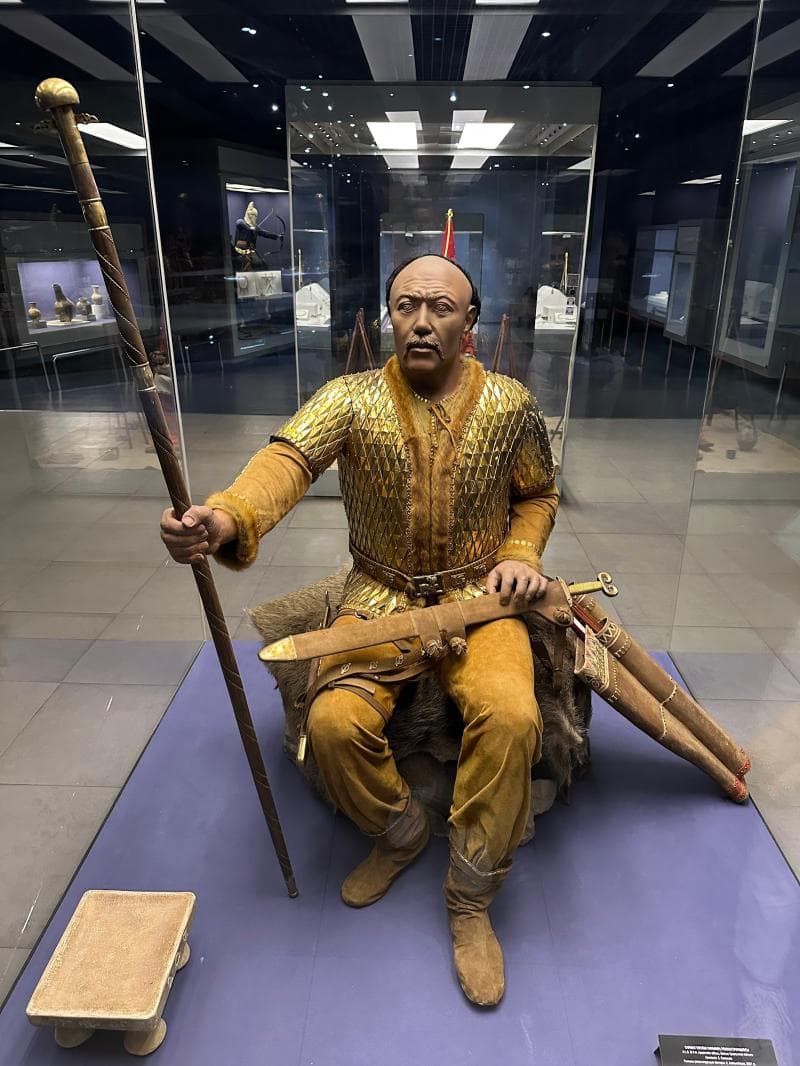
Explore the innovative Interactive Displays at the National Museum of the Republic of Kazakhstan in Astana, offering an immersive journey through Kazakhstan's history and culture.
Overview
Step into the National Museum of the Republic of Kazakhstan in Astana, and you'll find yourself embarking on a truly modern exploration of a rich and ancient history. Far from a dusty collection of artifacts, this institution, opened in July 2014, embraces cutting-edge 'interactive displays' to bring Kazakhstan's compelling narrative to life. Spanning from deep antiquity to its vibrant present, the museum's interactive elements transform passive viewing into an immersive, engaging experience for visitors of all ages.
Situated in the heart of Astana, its striking blue glass and white marble architecture hints at the innovative spirit within. The museum is one of the largest in Central Asia, boasting an expansive exhibition area that houses a vast collection of over 175,000 exhibits. Through its thoughtfully integrated digital and physical exhibits, the Interactive Displays offer a window into the country's paleontological past, the intricate lives of ancient nomads, the grandeur of its golden treasures, and the dynamic growth of its modern capital.
History & Cultural Background
The National Museum of the Republic of Kazakhstan was established as part of a significant national initiative to preserve and showcase the country's rich historical and cultural heritage. It officially opened its doors in July 2014, becoming a pivotal cultural and scientific institution in Central Asia. Its collections meticulously chronicle Kazakhstan's evolution, from the earliest human settlements on the vast steppe to the establishment of its contemporary state.
From the Bronze Age ornaments of the famed 'Golden Man'—a national symbol found in 1969—to ethnographic displays featuring traditional yurts and clothing, the museum's exhibits are deeply rooted in the cultural tapestry of the region. The integration of interactive technologies from its inception was a deliberate choice to make this profound history accessible and relatable. It bridges the gap between traditional artifacts and modern understanding, reflecting Kazakhstan's forward-looking vision while honoring its storied past.
What Makes It Special
What truly sets the Interactive Displays at the National Museum apart is their comprehensive and advanced technological integration, designed to create an immersive journey through time. The museum is equipped with state-of-the-art multimedia technology, ensuring that every visitor becomes an active participant in the story of Kazakhstan. You'll encounter interactive media walls that respond to your touch, curved screens projecting specialized content, and even multimedia floors that dynamically change beneath your feet.
Holograms conjure historical figures or scenes, bringing them to life with astonishing realism, while touchscreen information kiosks offer deeper dives into specific topics, allowing for personalized exploration. One of the most remarkable features is the impressive media floor in the Astana Hall, a massive video-floor display covering 450 square meters. This innovative display uses 845 separate screens to present a captivating, walkable visual experience of the city's development through different historical periods, often cited as one of the largest installations of its kind globally. This blend of physical artifacts with cutting-edge digital storytelling transforms the museum from a conventional exhibition space into a vibrant intellectual center.
Stories, Fun Facts & Local Details
Beyond the impressive technology, the Interactive Displays weave fascinating stories and cultural nuances into the visitor experience. Imagine walking across a giant media floor that vividly illustrates the historical layers of Astana, watching its past and present unfold beneath your gaze. This dynamic exhibit in the Astana Hall provides a unique perspective on how the city has transformed over centuries, offering a 'bird's eye view' of its growth and significance. In the Paleontology Hall, touchscreen devices allow you to virtually unearth ancient fauna, learning about the colossal mammoths and dinosaurs that once roamed the Kazakh steppe.
For younger visitors, the museum thoughtfully offers interactive lessons and 'gamified elements' within its educational programs, making learning about history an adventure. These elements ensure that the intricate details of Kazakh traditions, like the layout of a nomadic yurt in the Ethnography Hall or the symbolism behind the 'Golden Man's' armor, are not just observed but deeply understood. The museum's trilingual multimedia guides further enhance this accessibility, allowing a wider audience to engage with the narratives in their preferred language. These thoughtful touches elevate the experience, transforming historical facts into memorable, personal discoveries.
Visitor Perspective
From a visitor's standpoint, the Interactive Displays at the National Museum of the Republic of Kazakhstan are a game-changer. They offer a refreshing contrast to traditional museum layouts, catering to diverse learning styles and attention spans. The ability to delve deeper into specific topics at touchscreen kiosks, or to witness historical events unfold on panoramic screens, makes for a highly personalized and engaging visit. Families, in particular, appreciate the interactive elements, as they captivate children and encourage them to explore without feeling overwhelmed by dense text or static displays.
Whether you're marveling at the intricate details of archaeological finds or journeying through the modern history of Astana via a multimedia floor, the displays ensure that information is presented in an accessible and stimulating manner. It’s a place where history isn't just displayed; it's experienced, fostering a deeper connection to Kazakhstan's rich heritage and culture. The museum succeeds in its mission to be a 'modern intellectual center' and a place where visitors become 'active participants in the conversation with history'.
Coordinates: 71.46944444, 51.11805555
View on Google Maps💬 How Travelers Describe This Place
Based on community votes
Photogenic
846Must See
564Beautiful
201Unique
121Interesting
87
Traveler Stories
Discover memorable experiences shared by travelers who have visited this place.
No traveler stories yet.
Be the first traveler to share what made this place memorable.

Tour
By
Spot
Discover amazing places around the world. Your journey starts here.
Explore
© 2026 TourBySpot. All rights reserved.