Insadong Street
Seoul, South Korea
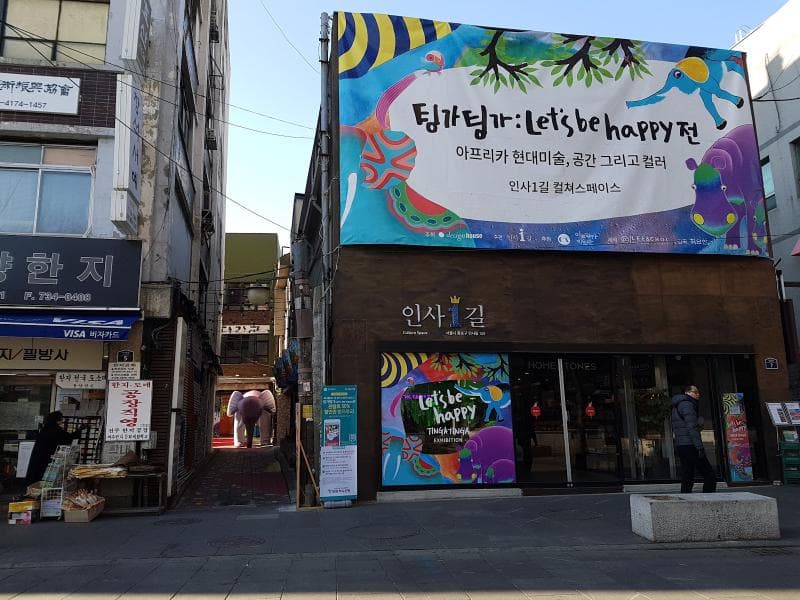
Explore Insadong Street in Seoul, South Korea – a vibrant hub of traditional Korean culture, art, crafts, ancient tea houses, and unique souvenirs.
Overview
Insadong Street, nestled in the vibrant heart of Seoul, South Korea, offers a captivating journey into the country's rich cultural heritage. This unique thoroughfare, officially known as Insadong-gil, is a celebrated hub where Korea's profound traditions gracefully intertwine with the pulse of modern life. It serves as a living museum, inviting both locals and international visitors to immerse themselves in a world brimming with traditional art, crafts, and centuries-old customs.
Stretching for approximately 700 meters, Insadong Street is renowned for its charming atmosphere, distinct from the more commercial districts of Seoul. The main street, often pedestrian-only on weekends, transforms into a dynamic cultural space where vendors, street performers, and curious explorers mingle freely. Here, the aroma of traditional teas blends with the sight of intricate handicrafts, creating an experience that is both authentic and deeply engaging.
History & Cultural Background
The story of Insadong traces back over 500 years, originating as a residential area for government officials during the illustrious Joseon Dynasty (1392–1897). Its foundations lie in the names of two historical towns, 'In' and 'Sa', which were once divided by a stream that now runs beneath the main street.
As centuries unfolded, Insadong’s character evolved. During the Japanese occupation, when wealthy Korean residents were compelled to relocate and sell their possessions, the area naturally transformed into a bustling market for antiques. Following the Korean War, Insadong emerged as a focal point for South Korea's artistic community and café culture, drawing artists, poets, and writers to its atmospheric alleys. Its unique charm and cultural significance gained international recognition, particularly during the 1988 Seoul Olympics, solidifying its reputation as a must-visit destination.
What Makes It Special
What truly sets Insadong Street apart is its unwavering commitment to preserving and showcasing Korean traditions. It stands as Seoul's premier art district, boasting over 100 galleries that exhibit a wide spectrum of traditional and contemporary Korean fine art, including paintings, sculptures, and pottery.
Beyond art, Insadong is a treasure trove for unique traditional crafts. Visitors can discover shops specializing in 'hanji' paper, calligraphy brushes, exquisite ceramics, and 'hanbok' (traditional clothing). It is also home to a significant concentration of South Korea's antique shops, offering glimpses into historical artifacts.
A visit to Insadong would be incomplete without experiencing its renowned traditional teahouses. Many of these establishments, some operating for over a century, offer a serene escape, allowing guests to partake in authentic Korean tea ceremonies while sipping on varieties like green tea, citron tea, 'omija' tea, and jujube tea, often within beautiful 'hanok' (traditional Korean house) settings.
Another iconic landmark is Ssamziegil, a distinctive spiral-shaped cultural complex. It houses numerous artisan shops selling handicrafts, accessories, and modern design goods, and even offers DIY craft workshops where visitors can create personalized souvenirs.
Stories, Fun Facts & Local Details
Insadong's main street, Insadong-gil, springs to life each weekend as it becomes entirely pedestrian-friendly, creating a vibrant open-air festival atmosphere. This is the perfect time to witness lively street performances, encounter fortune tellers, and indulge in popular street foods. One local favorite is 'hotteok', a sweet pancake filled with brown sugar, honey, and nuts – a delightful treat, especially on a chilly day.
The narrow, winding alleys branching off the main street conceal many hidden gems, from quaint galleries to secluded teahouses, inviting curious exploration. These side streets are where much of Insadong's enduring character resides, away from the more visible bustle of the main road. The district was even affectionately known as 'Mary's Alley' by foreign visitors in the 1960s, a testament to its charm and welcoming spirit for international guests.
Visitor Perspective
Insadong Street is often regarded by travelers as an ideal starting point for a Seoul adventure, offering a more tranquil and artistic experience compared to other bustling areas like Myeongdong. Its pedestrian-friendly nature, particularly on weekends, makes it a pleasant destination for families, couples, and friends alike, allowing for unhurried exploration.
Conveniently located, Insadong provides easy access to other major historical sites such as Gyeongbokgung Palace, Changdeokgung Palace, and Bukchon Hanok Village, making it a central point for cultural sightseeing. Accessing Insadong is straightforward, with Anguk Station (Line 3, Exit 6) being the nearest subway stop, just a short walk from the main street. Many restaurants in the area cater to international visitors, often providing English menus for ease of ordering, further enhancing the welcoming experience.
Coordinates: 126.9869, 37.5726
View on Google Maps💬 How Travelers Describe This Place
Based on community votes
Unique
683Interesting
642Photogenic
300Must See
251Beautiful
88
Traveler Stories
Discover memorable experiences shared by travelers who have visited this place.
No traveler stories yet.
Be the first traveler to share what made this place memorable.

Tour
By
Spot
Discover amazing places around the world. Your journey starts here.
Explore
© 2026 TourBySpot. All rights reserved.