Inner Gate
Dubrovnik, Croatia
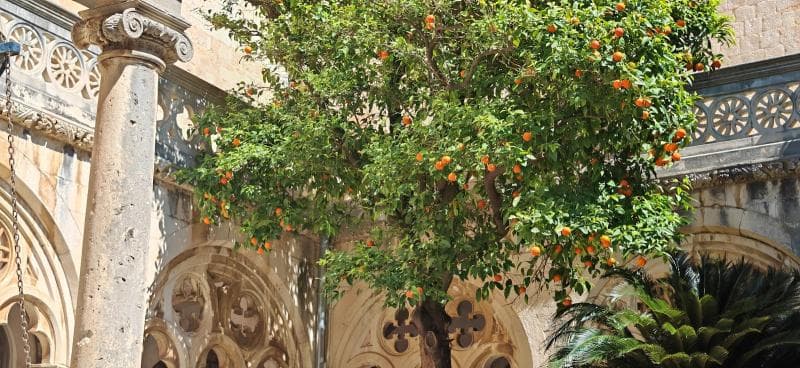
Discover the historic Inner Gate of Pile Gate in Dubrovnik, Croatia. This Gothic arch is your ancient entry to the Old Town and Stradun.
Overview
Stepping through the Inner Gate of Pile Gate in Dubrovnik, Croatia, is like crossing a threshold into centuries past. As the primary western entrance to Dubrovnik's historic Old Town, Pile Gate is a complex defensive structure, and its Inner Gate serves as the final, venerable passage into the city's heart. This gate is not merely an entry point but a transition from the modern world into a meticulously preserved medieval urban landscape. It is here that countless stories began, where merchants, dignitaries, and everyday citizens have passed for over 500 years, leaving an invisible imprint on its weathered stones.
The Inner Gate, with its distinct Gothic arch, is a crucial part of the larger Pile Gate system, which itself consists of an Outer Gate featuring a Renaissance arch. Together, these two gates formed a formidable and strategically vital defense mechanism for the Republic of Ragusa. Today, it stands as a testament to Dubrovnik's resilience and architectural prowess, directly leading visitors onto the famed Stradun, the city's main promenade.
History & Cultural Background
The history of the Inner Gate traces back to the 15th century, with its iconic Gothic arch dating from 1460. It represents an earlier phase of Dubrovnik's fortifications, predating the Outer Gate built in 1537. This sequential construction reflects the evolving defensive needs of the independent Republic of Ragusa.
Historically, the Pile Gate complex, including the Inner Gate, was integral to the city's security. It was approached via a stone bridge and a wooden drawbridge that would be ceremoniously raised every evening. This ritual not only protected the city from potential threats but also symbolized the closure of Dubrovnik to the outside world for the night. The keys to the city were then entrusted to the Rector, underscoring the gate's vital role in the city's governance and defense.
Perched above the Inner Gate, gazing upon all who enter, is a statue of Saint Blaise (Sveti Vlaho), Dubrovnik's revered patron saint. This particular sculpture was crafted by Ivan Meštrović, a renowned 20th-century Croatian artist. Saint Blaise has been the protector of Dubrovnik for centuries, and his presence at this critical entry point reinforces the deep spiritual and cultural heritage embedded within the city walls.
What Makes It Special
The Inner Gate's special charm lies in its blend of robust defensive architecture and nuanced cultural symbolism. Its Gothic arch, built in 1460, offers a striking contrast to the later Renaissance style of the Outer Gate, showcasing the architectural progression over centuries. Passing beneath this arch, one can almost feel the weight of history that has transpired here.
The statue of Saint Blaise, sculpted by Ivan Meštrović, is a powerful and unique feature. Unlike the multiple depictions of the saint found throughout Dubrovnik, Meštrović's rendition above the Inner Gate holds particular artistic significance. It serves as a constant guardian, blessing visitors and reminding locals of their enduring heritage. Another poignant detail is the commemorative plaque located near the Inner Gate, detailing the damage sustained by Dubrovnik during the 1991-1992 Homeland War. This provides a stark reminder of the city's recent history and its remarkable recovery, adding a layer of contemporary relevance to its ancient stones.
Stories, Fun Facts & Local Details
The Inner Gate, as part of the Pile Gate complex, is steeped in fascinating stories. Imagine the nightly ritual during the Republic's heyday, when the wooden drawbridge was winched up, severing the city's physical connection to the outside world until dawn. This daily event was not just a security measure but a symbolic affirmation of Dubrovnik's sovereignty.
For fans of popular culture, the Pile Gate area gained international recognition as a filming location for the acclaimed television series 'Game of Thrones.' While the Inner Gate itself may not have been explicitly featured, the overall ambiance of passing through this formidable entrance perfectly captured the essence of King's Landing, drawing countless visitors eager to walk in the footsteps of fictional royalty.
Another interesting detail lies just beyond the gate's outer defenses: the former moat. Once a water-filled ditch crucial for defense, this area has been transformed into a tranquil green garden, offering a peaceful contrast to the imposing walls above. This transformation from a barrier of protection to a space of natural beauty speaks volumes about Dubrovnik's journey from a formidable fortress to a welcoming cultural jewel.
Visitor Perspective
For today's traveler, the Inner Gate is often the first significant encounter with the magic of Dubrovnik's Old Town. After navigating the Outer Gate and its stone bridge, the Gothic arch of the Inner Gate provides a moment of anticipation. Passing through it, you immediately find yourself at the top of a set of steps that descend directly onto the Stradun, the city's main street.
This immediate immersion into the bustling, pedestrianized main artery is part of the unique experience. To your left, you'll find the entrance to the famous City Walls walk, inviting you to explore Dubrovnik from a different perspective. The Inner Gate truly acts as a historical portal, effortlessly transporting visitors into a vibrant historical narrative and setting the stage for an unforgettable exploration of Dubrovnik's ancient heart.
Coordinates: 18.10685, 42.64174
View on Google Maps💬 How Travelers Describe This Place
Based on community votes
Must See
965Interesting
743Photogenic
719Beautiful
629Unique
176
Traveler Stories
Discover memorable experiences shared by travelers who have visited this place.
No traveler stories yet.
Be the first traveler to share what made this place memorable.

Tour
By
Spot
Discover amazing places around the world. Your journey starts here.
Explore
© 2026 TourBySpot. All rights reserved.