Indigenous Art
Toronto, Canada
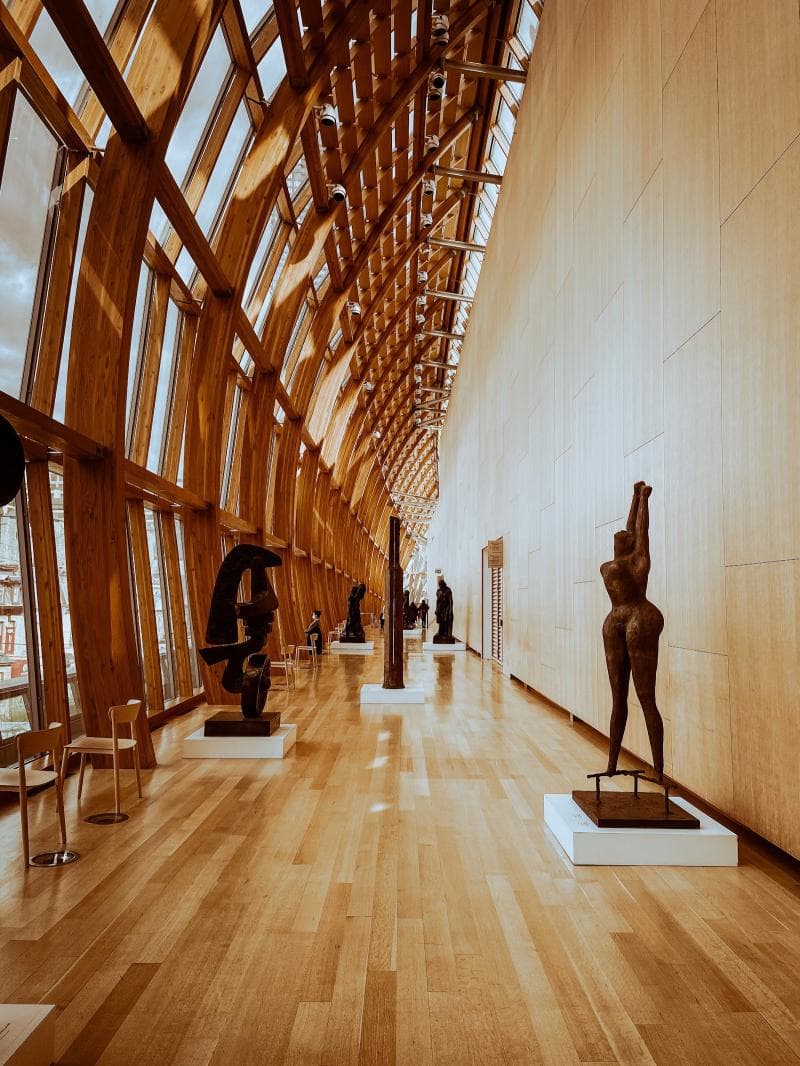
Explore the profound Indigenous Art collection at the Art Gallery of Ontario, Toronto, Canada. Discover First Nations, Inuit, Métis, and global Indigenous art.
Overview
The Indigenous Art collection at the Art Gallery of Ontario (AGO) in Toronto, Canada, offers a profound journey into the rich cultural heritage and contemporary expressions of Indigenous peoples. Housed primarily within the J.S. McLean Centre for Indigenous & Canadian Art, this collection is not merely an exhibit but a dynamic space that places Indigenous voices and narratives at the forefront of art appreciation. It features works from First Nations, Inuit, and Métis artists, alongside global Indigenous art from regions like Africa, Australia, and the Torres Strait Islands, demonstrating the universal relevance and oldest traditions of Indigenous creativity. The AGO's approach is to foster critical discussions around philosophy, kinship, history, and sovereignty, inviting visitors to engage deeply with thought-provoking artworks that span centuries and artistic movements.
History & Cultural Background
The AGO has made significant strides in recent years to elevate Indigenous art within its galleries. The J.S. McLean Centre for Indigenous & Canadian Art, which reopened with a renewed focus in 2018, signifies a pivotal shift. This renovation and reinstallation reflect a commitment to centring Indigenous artworks and ideas, moving beyond historical categorizations that often diminished their importance. Historically, Indigenous art was sometimes mislabeled as 'craft' rather than 'fine art,' and artists themselves were often unrecognized. The AGO's current curatorial structure, founded on principles of nation-to-nation relationships, aims to redress these historical gaps and ensure that the collection and programming genuinely reflect the historical diversity of Canadian society. This commitment extends to investigating provenance and ensuring respectful representation of cultural objects.
What Makes It Special
What sets the AGO's Indigenous Art collection apart is its comprehensive scope and its dedication to both historical and contemporary works. It’s one of the largest collections of its kind, including significant holdings of contemporary Inuit art, with over 5,000 objects comprising sculptures, prints, drawings, and wall hangings. The museum actively seeks to acquire new Inuit artworks that express current realities in the North, ensuring the collection remains vital and relevant. Furthermore, the AGO boasts Canada's largest collection of Australian Aboriginal and Torres Strait Islander artwork, a gift from an anonymous donor in 2002, featuring approximately 1,000 pieces, including 327 unique boomerangs. The galleries showcase a diverse array of mediums, including painting, drawing, photography, new media, installation, and sculpture, bringing together artists like Charles Edenshaw, Shelley Niro, Christi Belcourt, Norval Morrisseau, and Annie Pootoogook.
Stories, Fun Facts & Local Details
Many artworks in the collection tell powerful stories and offer unique insights into Indigenous cultures. For instance, Christi Belcourt's 'The Wisdom of the Universe' (2014) is a whimsical painting that references Métis and Anishinaabe beading traditions, embodying Indigenous philosophies of interconnectedness, caring, and biodiversity. Another compelling piece is Manasie Akpaliapik's large whalebone sculpture, 'Respecting the Circle,' a popular work reflecting Inuit traditions and modern concerns. Visitors might also encounter Bill Nasogaluak's 'Bear Tangled in Barbed Wire' (2007-2014), an Inuvialuit sculpture that cleverly combines traditional and contemporary forms to highlight the precariousness of Inuit life and the impacts of climate change. These objects are not static historical artifacts but living expressions of culture, reflecting dynamic changes over time while maintaining deep roots in ancestral knowledge.
Visitor Perspective
For the curious traveler, visiting the Indigenous Art collection at the AGO is an immersive experience designed to encourage personal reflection and discovery. The thematic galleries are curated to present multiple perspectives rather than a single narrative, allowing each visitor to find their own pathways and entry points into the art. Installations change over time, ensuring there's always something new to discover, with new artists continually introduced. The space invites visitors to engage with inter-generational relationships and conversations sparked by the artworks. It's an opportunity to learn about decolonization through art and dialogue, offering a deeper understanding of the profound contributions and ongoing resilience of Indigenous peoples. The AGO ensures the experience is welcoming and accessible, making it an inspiring visit for art lovers and those seeking cultural enrichment alike.
Coordinates: -79.3925123, 43.6536066
View on Google Maps💬 How Travelers Describe This Place
Based on community votes
Must See
934Beautiful
276Photogenic
152Unique
30Interesting
16
Traveler Stories
Discover memorable experiences shared by travelers who have visited this place.
No traveler stories yet.
Be the first traveler to share what made this place memorable.

Tour
By
Spot
Discover amazing places around the world. Your journey starts here.
Explore
© 2026 TourBySpot. All rights reserved.