Independence Hall
Jakarta, Indonesia
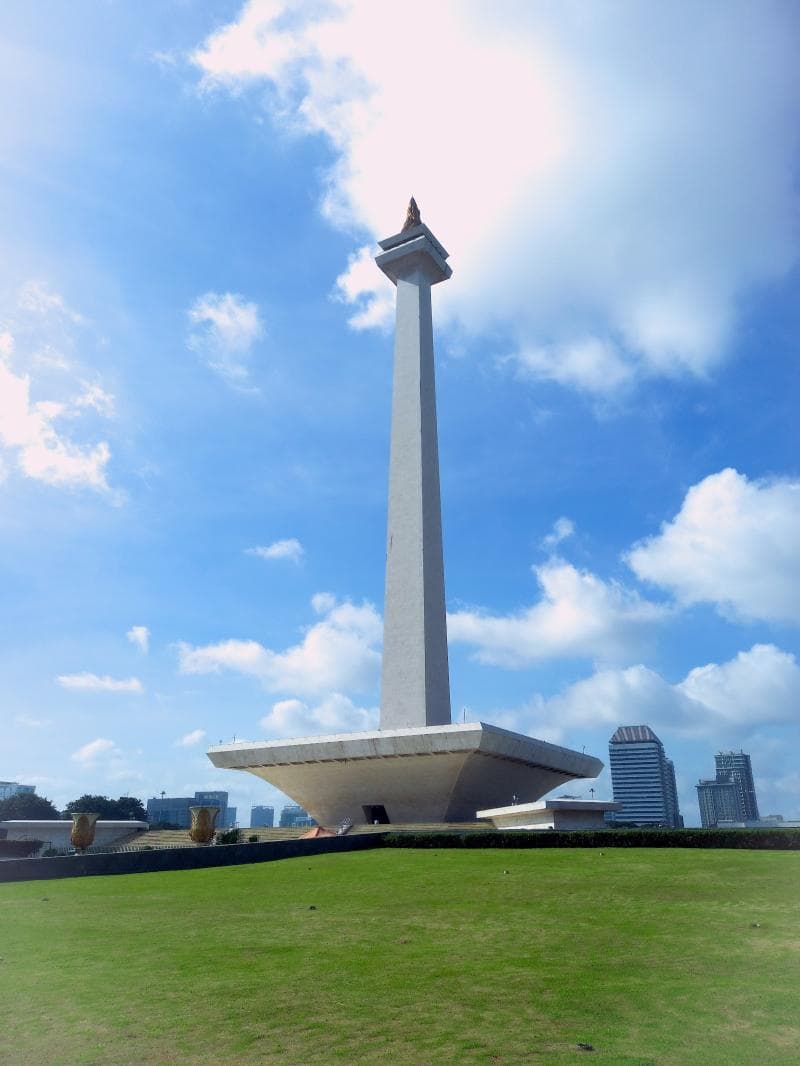
Discover Jakarta's Independence Hall (Ruang Kemerdekaan) inside the National Monument, a sacred space holding Indonesia's Proclamation of Independence.
Overview
Deep within the colossal National Monument (Monas) in Jakarta, Indonesia, lies a profoundly significant chamber known as the Hall of Independence, or 'Ruang Kemerdekaan'. It is not a separate building, but an integral part of Monas, nestled within its 'goblet' or 'cawan' base. This sacred space serves as the spiritual heart of the monument, commemorating Indonesia's hard-won struggle for freedom and safeguarding some of the nation's most precious historical artifacts. Visitors typically access this hall after exploring the National History Museum located in the basement of Monas. The hall itself is designed to evoke a sense of solemnity and national pride, preparing visitors for an encounter with the symbols of Indonesian sovereignty.
Monas itself stands proudly in the center of Merdeka Square, a 132-meter obelisk crowned with a brilliant flame coated in gold leaf, symbolizing the burning spirit of the Indonesian people's struggle. The monument was conceived by Indonesia's first President, Sukarno, and opened to the public in 1975, designed to be a timeless reminder of the nation's journey to independence.
History & Cultural Background
The story of the Hall of Independence is intrinsically linked to the larger history of the National Monument. The idea for a national monument was first envisioned by President Sukarno in the mid-1950s, aiming for a structure that would rival global landmarks and embody the nation's fight for freedom. Construction commenced on August 17, 1961, marking the 16th anniversary of Indonesia's declaration of independence.
The Hall of Independence was specifically designed to house the foundational documents and symbols of the newly independent nation. Its creation reflects a deep cultural desire to preserve the memory of the struggle and to inspire future generations with the spirit of unity and resilience. The design elements within the hall, from the materials used to the placement of artifacts, are imbued with profound symbolic meaning related to Indonesian identity and sovereignty.
What Makes It Special
The Hall of Independence is truly special because it is the custodian of Indonesia's soul. Within its confines, behind bronze doors adorned with symbols of eternity and purity, rests the original text of the Proclamation of Independence. This document, read aloud on August 17, 1945, by Sukarno, marked the birth of the Republic of Indonesia. The doors, known as 'Gerbang Kemerdekaan' or the Gate of Independence, are mechanized and open slowly to the sound of the nationalist song 'Padamu Negeri', followed by a recording of Sukarno reading the proclamation.
Beyond the Proclamation, the hall also displays other vital national symbols, including the Garuda Pancasila, Indonesia's national emblem, and a map of the Indonesian Archipelago, often depicted in gold. These artifacts, presented in an auditorium-like setting, create an immersive and reverent atmosphere, making the Hall of Independence a powerful site of national pilgrimage.
Stories, Fun Facts & Local Details
One fascinating detail about the Hall of Independence is its location within the 'goblet' part of Monas. The entire monument's design is said to encapsulate the ancient Indonesian philosophy of Lingga and Yoni, symbolizing harmony, balance, fertility, and eternal life. The obelisk (Lingga) represents masculinity and positive elements, while the goblet-shaped base (Yoni) signifies femininity and nurturing aspects. In this context, the Hall of Independence resides within the metaphorical 'womb' of the nation, a place of birth and safekeeping for its most sacred ideals.
The bronze doors within the hall, weighing four tons and coated with gold leaf, are not just functional but also artistic masterpieces. They feature the 'Wijaya Kusuma' flower, symbolizing eternity, and the lotus flower, representing purity, further enhancing the spiritual significance of the space. While the broader Monas complex attracts many for its panoramic city views from the observation deck, it is this often-overlooked inner sanctum that truly captures the essence of Indonesia's national identity.
Visitor Perspective
Visiting the Hall of Independence offers a contemplative and educational experience for anyone interested in Indonesian history and culture. After traversing the dioramas of the National History Museum in the basement, which narrate Indonesia's journey from prehistoric times to independence, visitors are guided upwards to this special chamber. The transition from the museum's broad historical overview to the focused reverence of the Hall of Independence is designed to deepen one's understanding and appreciation for the nation's founding principles.
While Monas can be a bustling destination, especially with queues for the observation deck, the Hall of Independence provides a moment of quiet reflection. It's a place where you can stand before the tangible symbols of a nation's struggle and triumph, connecting directly with the profound historical moments that shaped modern Indonesia. The deliberate presentation, from the ceremonial opening of the doors to the solemn display of artifacts, ensures that every visitor grasps the immense weight and pride held within this 'Ruang Kemerdekaan'.
Coordinates: 106.827139, -6.175389
View on Google Maps💬 How Travelers Describe This Place
Based on community votes
Unique
872Beautiful
846Interesting
684Photogenic
363Must See
87
Traveler Stories
Discover memorable experiences shared by travelers who have visited this place.
No traveler stories yet.
Be the first traveler to share what made this place memorable.

Tour
By
Spot
Discover amazing places around the world. Your journey starts here.
Explore
© 2026 TourBySpot. All rights reserved.