Hozenji Yokocho Alley
Osaka, Japan
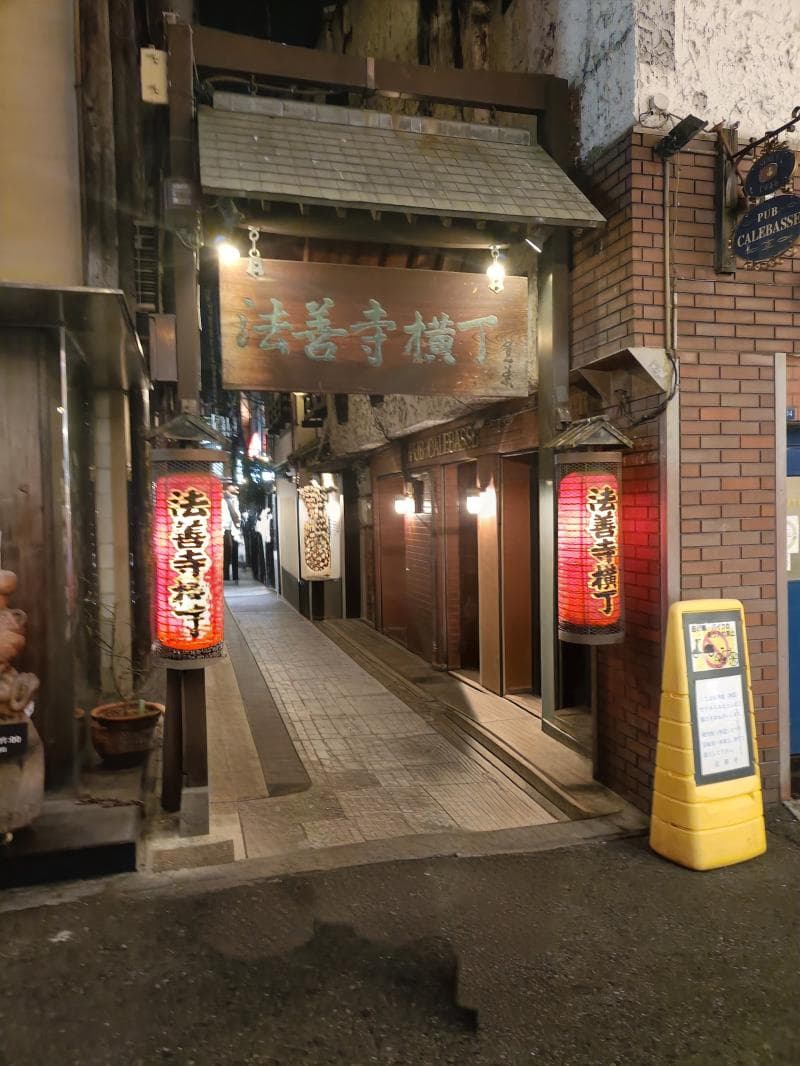
Discover Hozenji Yokocho Alley in Osaka, Japan – a serene, stone-paved lane with traditional eateries, the moss-covered Mizukake Fudo, and rich history.
Overview
Tucked away amidst the vibrant, neon-lit energy of Osaka’s Dotonbori district lies a tranquil haven, Hozenji Yokocho Alley. This quaint, stone-paved lane offers a stark and delightful contrast to the surrounding urban buzz, transporting visitors to a bygone era of traditional Japan. Stretching approximately 80 to 150 meters, and only about three meters wide, the alley is a charming labyrinth of over 60 traditional shops, intimate restaurants, and cozy bars, all exuding an authentic Edo-period ambiance. It’s a place where the clamor of the modern city fades, replaced by the soft glow of paper lanterns and the gentle scent of incense.
At the heart of Hozenji Yokocho is the Hozenji Temple, a spiritual anchor from which the alley derives its name. The temple is home to the revered Mizukake Fudo Myoo, a Buddhist deity famously covered in a thick, vibrant layer of moss. This unique statue is a testament to centuries of fervent prayers and a distinctive ritual where worshippers splash water onto it, seeking good fortune and protection. Hozenji Yokocho invites travelers to step off the bustling streets of Dotonbori and immerse themselves in a rich tapestry of history, culture, and culinary delights, offering a serene glimpse into Osaka's past.
History & Cultural Background
The origins of Hozenji Yokocho are deeply intertwined with the Hozenji Temple itself, which was established in 1637 during the Edo period. The temple's location in the flourishing Namba area meant it quickly became a cultural focal point, attracting crowds who came to enjoy traditional performances like Kamigata Rakugo. Around the temple grounds, street vendors and teahouses naturally sprang up to cater to pilgrims and entertainment-goers, gradually evolving into the vibrant alleyway seen today.
By the early Showa era, Hozenji Yokocho had blossomed into a major entertainment hub, boasting vaudeville theaters and even Osaka's first cinema. Its unique character captured the imagination of writers like Sakunosuke Oda and Koen Hasegawa, whose novels helped popularize the alley's name nationwide. However, this historical enclave faced immense challenges. Most of the area, including the temple, was tragically destroyed during the Osaka air raids of World War II in 1945. Miraculously, the Mizukake Fudo statue survived the devastation, becoming a powerful symbol of resilience. The post-war period saw dedicated community efforts to restore the alley, preserving its Edo-era charm and the 'Naniwa' mood—Osaka's distinctive blend of relaxed yet vibrant spirit. The alley's endurance was further tested by fires in 2002 and 2003, each time prompting strong community support for its careful restoration.
What Makes It Special
Hozenji Yokocho's allure lies in its ability to offer an immersive step back in time, a stark contrast to the modernity just outside its narrow entrances. The entire alley is paved with traditional stone, and its buildings feature classic wooden architecture with lattice doors, creating an atmosphere reminiscent of old Kyoto or a historical Edo street. As evening descends, the alley transforms; traditional stone and paper lanterns softly illuminate the path, casting a warm, inviting glow that enhances its magical, timeless quality.
The undisputed centerpiece is the Mizukake Fudo Myoo statue. Unlike typical Buddhist statues, Fudo Myoo here is completely shrouded in a lush, green coat of moss, a direct result of countless visitors pouring water over it as part of a unique prayer ritual. This 'water-splashed Fudo' is believed to grant wishes, bring good luck, and offer protection, making it a powerful and visually striking symbol of faith. Furthermore, the alley is a celebrated culinary destination. With over sixty establishments, it offers a refined selection of traditional Japanese cuisine, from long-standing Kappo restaurants and bars to local favorites like okonomiyaki, kushikatsu (skewered cutlets), and teppanyaki. Many of these eateries are frequented by local celebrities, adding to the alley's understated prestige.
Stories, Fun Facts & Local Details
The verdant covering of the Mizukake Fudo statue is not merely aesthetic; it's a living testament to a heartwarming local legend. The tradition of splashing water on the Fudo Myoo is said to have begun after World War II, when a woman, in desperate circumstances, poured water over the statue while making a heartfelt wish. When her wish was granted, others followed suit, leading to the statue's gradual moss growth over decades. Today, both locals and travelers participate in this ritual, ensuring the Fudo Myoo remains perpetually green.
Beyond its spiritual heart, Hozenji Yokocho boasts artistic connections. The entry gates on both the east and west sides of the alley are adorned with calligraphic inscriptions of 'Hozenji Yokocho' by two revered figures: Kanbi Fujiyama, a famous theater actor, and Harudanji Katsura III, a celebrated comedian. These tributes underscore the alley's deep ties to Osaka's performing arts and its enduring cultural significance. The alley has also served as a muse for various works of literature and music, with its evocative atmosphere inspiring novels like Sakunosuke Oda’s 'Meoto Zenzai' and numerous songs, solidifying its place in Japanese popular culture. Despite the damage from WWII and subsequent fires, the community's unwavering commitment to its restoration speaks volumes about the cherished place Hozenji Yokocho holds in the hearts of Osakans.
Visitor Perspective
Visiting Hozenji Yokocho Alley offers a distinct and intimate experience that stands apart from the typical Dotonbori excitement. It's a place for quiet contemplation and appreciation of traditional Japanese aesthetics. The best time to visit is often in the evening, when the lanterns are lit, creating a profoundly atmospheric and almost magical setting. The soft illumination and the gentle sound of water splashing at the temple provide a serene escape from the urban hustle.
As you wander the narrow, stone-paved paths, you'll encounter a variety of dining options, from gourmet experiences to more casual fare like okonomiyaki and kushikatsu. Many establishments feature wooden lattice doors, inviting you into an authentic dining scene where you might even rub shoulders with local celebrities. Comfortable shoes are recommended due to the uneven stone pavement. While photography is encouraged, especially at night to capture the warm lantern glow, it's advised to avoid flash to preserve the tranquil ambiance. The alley is freely accessible year-round, making it an ideal spot for a leisurely stroll of one to two hours, perfect for those seeking a deeper connection with Osaka's historical and cultural soul.
Coordinates: 135.502, 34.6687
View on Google Maps💬 How Travelers Describe This Place
Based on community votes
Beautiful
673Photogenic
219Interesting
186Must See
143Unique
80
Traveler Stories
Discover memorable experiences shared by travelers who have visited this place.
No traveler stories yet.
Be the first traveler to share what made this place memorable.

Tour
By
Spot
Discover amazing places around the world. Your journey starts here.
Explore
© 2026 TourBySpot. All rights reserved.