Homeland War Museum
Dubrovnik, Croatia
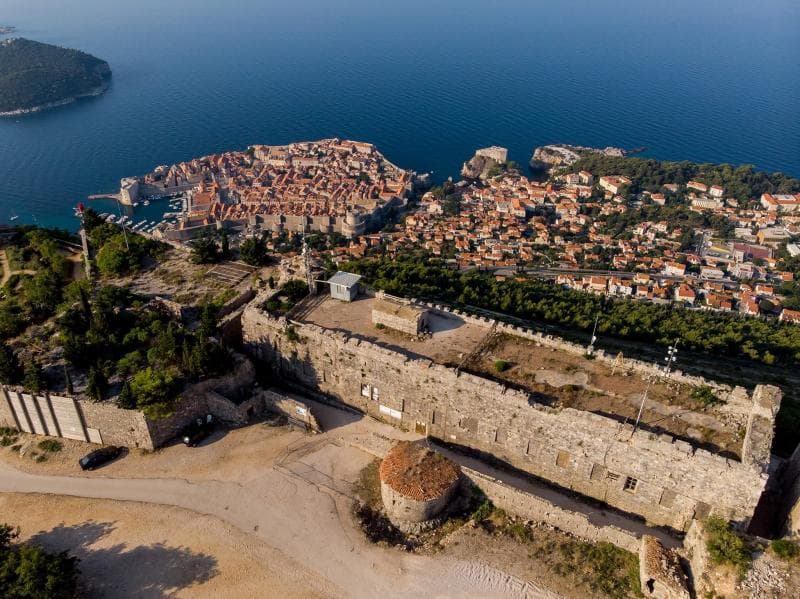
Explore the Homeland War Museum on Mount Srđ in Dubrovnik, Croatia, for a poignant look at the city's siege during the 1991-1995 war. Discover its history and resilience.
Overview
Perched atop the majestic Mount Srđ, overlooking the ancient city of Dubrovnik, lies the Homeland War Museum, officially known as the Museum of Croatian War of Independence. Housed within the historic Fort Imperial, this museum serves as a poignant reminder of Croatia's recent past, specifically the devastating Croatian War of Independence (1991-1995) and the brutal Siege of Dubrovnik. It offers visitors a deep dive into the courage and resilience of the local population and defenders during one of the city's darkest periods. The museum's unique location not only provides breathtaking panoramic views of Dubrovnik and the Adriatic Sea but also places it within a structure that was a critical frontline in the defense of the city.
History & Cultural Background
The story of the Homeland War Museum is inextricably linked with Fort Imperial, a stronghold with a history stretching back to the Napoleonic era. Built by the French between 1806 and 1812, the fort was strategically positioned by Napoleon I to oversee the city of Dubrovnik, then known as the Republic of Ragusa. Centuries later, in 1991, this very fort became the command headquarters for the 163rd Dubrovnik Brigade of the Croatian Army and a vital point of defense against the Serbian-Montenegrin aggression during the Homeland War. The siege, which began in October 1991, saw Dubrovnik, a UNESCO World Heritage site, subjected to intense bombardment, resulting in significant civilian casualties and widespread damage to its historic buildings. The small, newly formed Croatian army, numbering only about 25-30 soldiers, bravely resisted a much larger Yugoslav force from within Fort Imperial, preventing a complete takeover of the city. The museum, which first opened its initial phase in 2008, was established to document and preserve the memory of these events, ensuring that the sacrifices made for Croatian independence are never forgotten.
What Makes It Special
What truly sets the Homeland War Museum apart is its authentic setting and the raw, unvarnished presentation of its exhibits. Unlike many polished historical displays, the museum is situated within the very fort that bore the scars of conflict, making it a site of immense historical importance in itself. The exhibition, titled 'Dubrovnik in the Homeland War 1991-1995', is housed on the fort's ground level and features original documents, artistic and documentary photographs, and powerful video materials that offer a gripping insight into life on the front lines and behind the siege lines. Visitors can see actual armaments, mines, explosive ordnance, military gear, and even the original flag that flew over Srđ in 1991. The exhibits vividly portray the aggression, the defense, the human casualties, and the destruction of civilian and cultural monuments, presenting the conflict with the specificity of a community that lived through it. This direct and impactful storytelling makes the experience deeply moving and educational, offering a perspective that is both sobering and inspiring.
Stories, Fun Facts & Local Details
Mount Srđ itself holds a significant place in Dubrovnik's identity, with the city's name possibly deriving from 'dubrava', the old Slavic word for oak trees that once covered the mountain. During the siege, Srđ was not just a strategic military point but also a symbol of defiance. The destruction of the communications tower and the giant white stone cross on its summit by attackers in 1991 underscored the symbolic targeting of Dubrovnik's heritage. The subsequent rebuilding of this cross became a testament to the city's resilience. The museum's collection includes personal accounts and objects that tell stories of ordinary people caught in extraordinary circumstances, highlighting the human element of the war. For instance, the systematic boarding up of famous structures like the Big Onofrio Fountain and the monument to Ivan Gundulić in anticipation of bombardments shows the desperate measures taken to protect cultural heritage. The fact that Dubrovnik, a UNESCO site, was attacked, shocked the world, and the museum doesn't shy away from presenting the devastating impact, including over 100 civilian deaths and extensive damage to two-thirds of the city's buildings.
Visitor Perspective
Visiting the Homeland War Museum offers a powerful and essential experience for anyone seeking to understand Dubrovnik's recent history beyond its picturesque charm. The journey to the museum on Mount Srđ can be an adventure in itself, with visitors typically opting for the scenic Dubrovnik Cable Car, which provides stunning views during the ascent. Alternatively, one can hike up a winding path, a more strenuous but rewarding option, or take a car. Once at the fort, the panoramic vistas from its terraces are spectacular, encompassing the entire Old Town, Lokrum island, and the vast Adriatic. However, these beautiful views serve as a stark contrast to the somber reflections evoked by the museum's exhibits. While the content can be graphic and is perhaps not suitable for young children, it is a crucial educational visit that encourages quiet contemplation and respect. It leaves visitors with a profound appreciation for the peace and beauty of present-day Dubrovnik, understanding the immense struggles its people endured to preserve it. The museum helps to humanize the conflict, making it a compelling and deeply meaningful part of any visit to Dubrovnik.
Coordinates: 18.094424, 42.650661
View on Google Maps💬 How Travelers Describe This Place
Based on community votes
Must See
896Photogenic
585Unique
550Interesting
56Beautiful
28
Traveler Stories
Discover memorable experiences shared by travelers who have visited this place.
No traveler stories yet.
Be the first traveler to share what made this place memorable.

Tour
By
Spot
Discover amazing places around the world. Your journey starts here.
Explore
© 2026 TourBySpot. All rights reserved.