Ho Chi Minh Stilt House
Hanoi, Vietnam
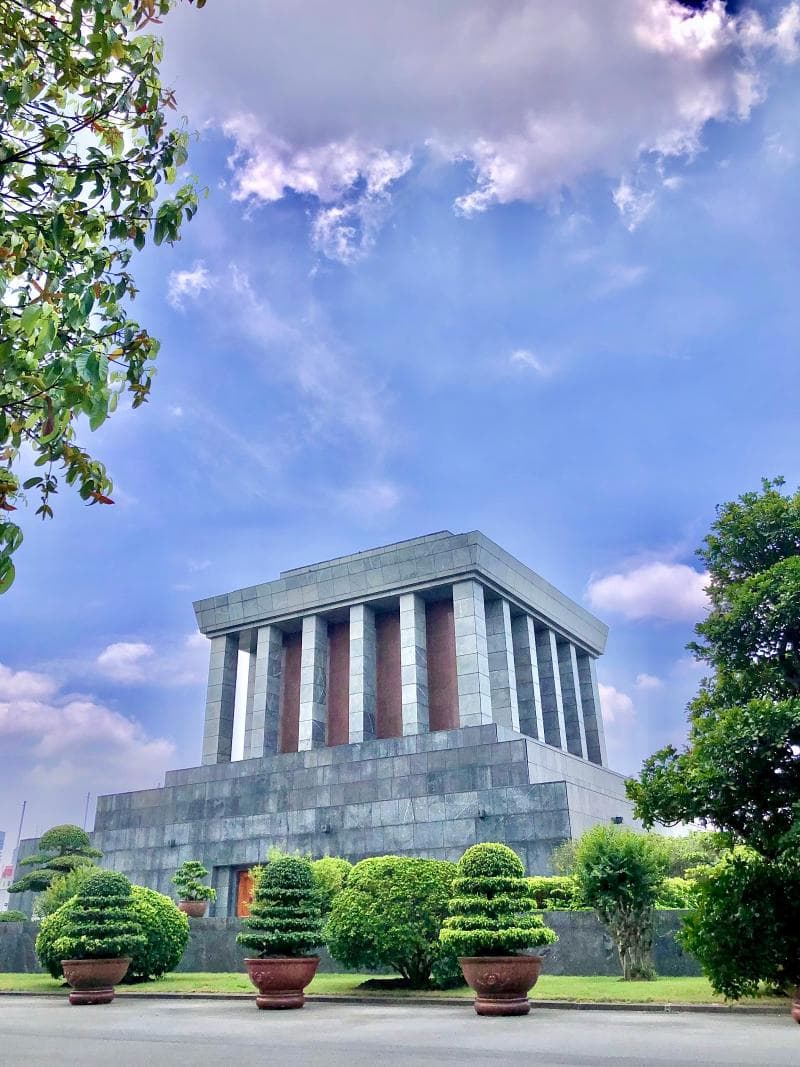
Explore Ho Chi Minh's Stilt House in Hanoi, Vietnam – a humble wooden home reflecting President Ho Chi Minh's simple life and profound legacy.
Overview
Tucked within the verdant grounds of the Presidential Palace in Hanoi, Vietnam, stands the Ho Chi Minh Stilt House, a profound testament to the simplicity and integrity of Vietnam's most revered leader. This modest wooden dwelling served as Ho Chi Minh's residence and workplace from 1958 until his passing in 1969, offering a poignant glimpse into his personal life. Far from the opulent French colonial Presidential Palace, which he chose not to inhabit, the stilt house embodies his deep connection to the Vietnamese people and his philosophy of frugality.
Visitors to this historical site will discover a two-story structure, thoughtfully designed to reflect the traditional homes of ethnic minorities from Vietnam's northern highlands, particularly the Tay – Thai people. Surrounded by a tranquil garden, fruit trees, and a fish pond, the setting itself speaks volumes about Uncle Ho's love for nature and his humble lifestyle.
History & Cultural Background
Following the liberation of Northern Vietnam in 1954, President Ho Chi Minh returned to Hanoi. Despite the grandeur of the Presidential Palace available to him, he opted for a more unassuming dwelling. Initially residing in a small electrician's house on the palace grounds, his preference for simplicity led to the construction of the stilt house.
In March 1958, inspired by the traditional stilt houses he encountered during a visit to ethnic minority communities in the Viet Bac region, Ho Chi Minh expressed a wish for a similar home. Architect Nguyen Van Ninh was tasked with the design, and the house was swiftly completed by May 1958, becoming his residence for the last eleven years of his life. This deliberate choice underscored his rejection of luxury and his unwavering commitment to the common people, particularly during the challenging years of the Vietnam War.
What Makes It Special
The Ho Chi Minh Stilt House is more than just a historical building; it is a powerful symbol. Its special appeal lies in its stark contrast to the nearby French-built Presidential Palace. Ho Chi Minh's decision to live in such a modest dwelling, rather than the lavish palace, profoundly illustrates his humble character and dedication to the revolutionary cause.
The architecture itself is unique, a two-story wooden structure measuring approximately 10.5 meters in length and 6.2 meters in width, built on sturdy wooden pillars. The ground floor is an open space, used for meetings and receiving guests, while the upper floor contains two small, approximately 10-square-meter rooms: a bedroom and a study, separated by a bookshelf. These rooms are preserved with minimal, essential furnishings, reflecting his ascetic lifestyle.
Stories, Fun Facts & Local Details
Many stories surrounding the stilt house highlight Ho Chi Minh's simple nature. He reportedly asked the architect to keep the design true to traditional stilt houses, requesting only one or two small rooms and no attached toilet, despite initial designs including more amenities. He loved tending to his garden and feeding the fish in the large pond adjacent to the house, activities that offered him moments of peace amidst his demanding leadership.
The fish pond, often called 'Uncle Ho's fish pond,' was a place where he frequently relaxed after long working days. Today, visitors can still observe numerous carp, sesame carp, and tilapia in the pond, imagining the quiet reflection of the leader. The grounds are also home to various fruit trees and fragrant flowers like jasmine and eglantine, some even gifted from different regions of Vietnam.
Visitor Perspective
Visiting the Ho Chi Minh Stilt House provides a deeply emotional and informative experience. It allows a tangible connection to the past, offering insights into the daily life and work ethic of a leader who dedicated his life to his country. The preserved personal effects and simple surroundings evoke a sense of his humility and wisdom.
The stilt house is part of the larger Ho Chi Minh Mausoleum complex, which also includes the Ho Chi Minh Mausoleum itself, the Presidential Palace, the Ho Chi Minh Museum, and the One Pillar Pagoda. Combining these sites allows for a comprehensive understanding of Vietnamese history and culture. To best enjoy the tranquil atmosphere and avoid crowds, particularly in warmer months, an early morning visit is recommended. Modest dress, covering shoulders and knees, is expected out of respect for the national memorial site.
Coordinates: 105.8342, 21.0367
View on Google Maps💬 How Travelers Describe This Place
Based on community votes
Interesting
998Photogenic
481Beautiful
472Must See
399Unique
92
Traveler Stories
Discover memorable experiences shared by travelers who have visited this place.
No traveler stories yet.
Be the first traveler to share what made this place memorable.

Tour
By
Spot
Discover amazing places around the world. Your journey starts here.
Explore
© 2026 TourBySpot. All rights reserved.