Ho Chi Minh Museum
Hanoi, Vietnam
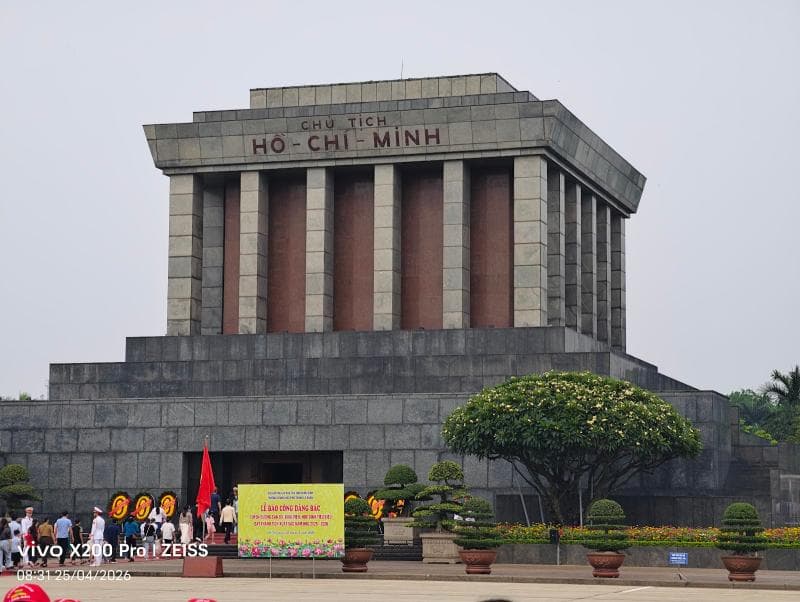
Explore the Ho Chi Minh Museum in Hanoi, Vietnam. Discover the life and legacy of President Ho Chi Minh through comprehensive exhibits, artifacts, and multimedia displays in this lotus-shaped architectural marvel.
Overview
The Ho Chi Minh Museum stands as a prominent cultural and historical landmark in Hanoi, Vietnam, dedicated to the life and revolutionary legacy of President Ho Chi Minh. Situated within the expansive Ho Chi Minh Complex, this museum offers visitors a profound insight into the pivotal figure who shaped modern Vietnam. It serves as an essential stop for anyone seeking to understand the country's struggle for independence and its national identity through the story of its revered leader. The museum's distinctive architecture, resembling a white lotus flower, immediately captivates the eye and hints at the deep symbolism held within Vietnamese culture.
History & Cultural Background
The Ho Chi Minh Museum was officially inaugurated on May 19, 1990, a significant date chosen to commemorate the 100th anniversary of President Ho Chi Minh's birth. Its creation was a collaborative endeavor, bringing together Vietnamese and Soviet architects who blended contemporary design with traditional Vietnamese cultural motifs. The museum's primary purpose is to preserve and display a vast collection of documents, artifacts, and personal items, effectively tracing Ho Chi Minh's journey from his humble beginnings to his role as a revolutionary leader. This institution was conceived as a place to honor his life, vision, and instrumental role in Vietnam's independence movement.
What Makes It Special
Beyond its significant historical content, the Ho Chi Minh Museum is celebrated for its unique architectural design, which evokes the image of a giant white lotus flower. In Vietnamese culture, the lotus symbolizes purity, resilience, and the ability to rise above adversity, a metaphor often used to describe Ho Chi Minh's life and ideals. Unlike many traditional museums, it adopts an innovative exhibition approach that moves beyond mere rows of glass cases. The museum is designed as an architectural and sensory journey, utilizing a unique storytelling method with interactive displays, multimedia presentations, environmental recreations, and art installations. This deliberate layout guides visitors through Ho Chi Minh's life and Vietnam's historical triumphs in a deeply engaging manner, making the historical narrative come alive.
Stories, Fun Facts & Local Details
The museum's exhibition is typically structured chronologically, often across three floors, detailing various stages of Ho Chi Minh's life and the historical context of his revolutionary activities. Visitors can explore themes ranging from his early years and extensive travels abroad in search of national liberation, to the influence of Marxism and Leninism on his political thought. It highlights key moments like the founding of the Vietnamese Communist Party and the country's prolonged struggle against foreign powers. The collection is immense, housing over 170,000 documents, objects, and films related to President Ho Chi Minh and his revolutionary work. The displays not only cover national history but also connect Vietnam's revolutionary movements to global historical events, such as anti-colonial movements and international solidarity efforts, offering a broader perspective on the 20th century. This nuanced approach provides a profound understanding of his mission for national independence and his enduring legacy.
Visitor Perspective
For a curious traveler, visiting the Ho Chi Minh Museum offers an immersive educational journey into Vietnam's modern history and its national identity. It provides essential context to understand the immense respect and reverence the Vietnamese people hold for their leader, often affectionately referred to as 'Uncle Ho'. The museum's engaging narrative helps visitors grasp Ho Chi Minh's vision of independence, social justice, and equality, principles that continue to guide Vietnam today. To ensure a respectful experience, visitors are expected to wear formal and modest clothing. The museum is conveniently located within the Ho Chi Minh Complex, allowing travelers to combine their visit with other significant sites like the Ho Chi Minh Mausoleum, the Presidential Palace, and the ancient One Pillar Pagoda, forming a comprehensive cultural experience.
Coordinates: 105.8326, 21.0357
View on Google Maps💬 How Travelers Describe This Place
Based on community votes
Interesting
869Must See
445Beautiful
416Photogenic
309Unique
33
Traveler Stories
Discover memorable experiences shared by travelers who have visited this place.
No traveler stories yet.
Be the first traveler to share what made this place memorable.

Tour
By
Spot
Discover amazing places around the world. Your journey starts here.
Explore
© 2026 TourBySpot. All rights reserved.